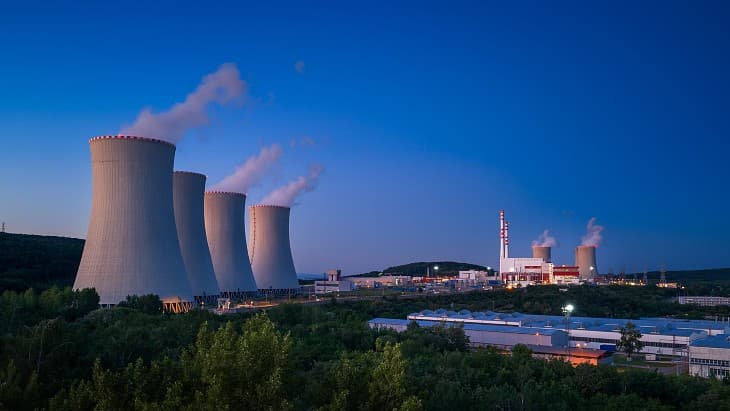
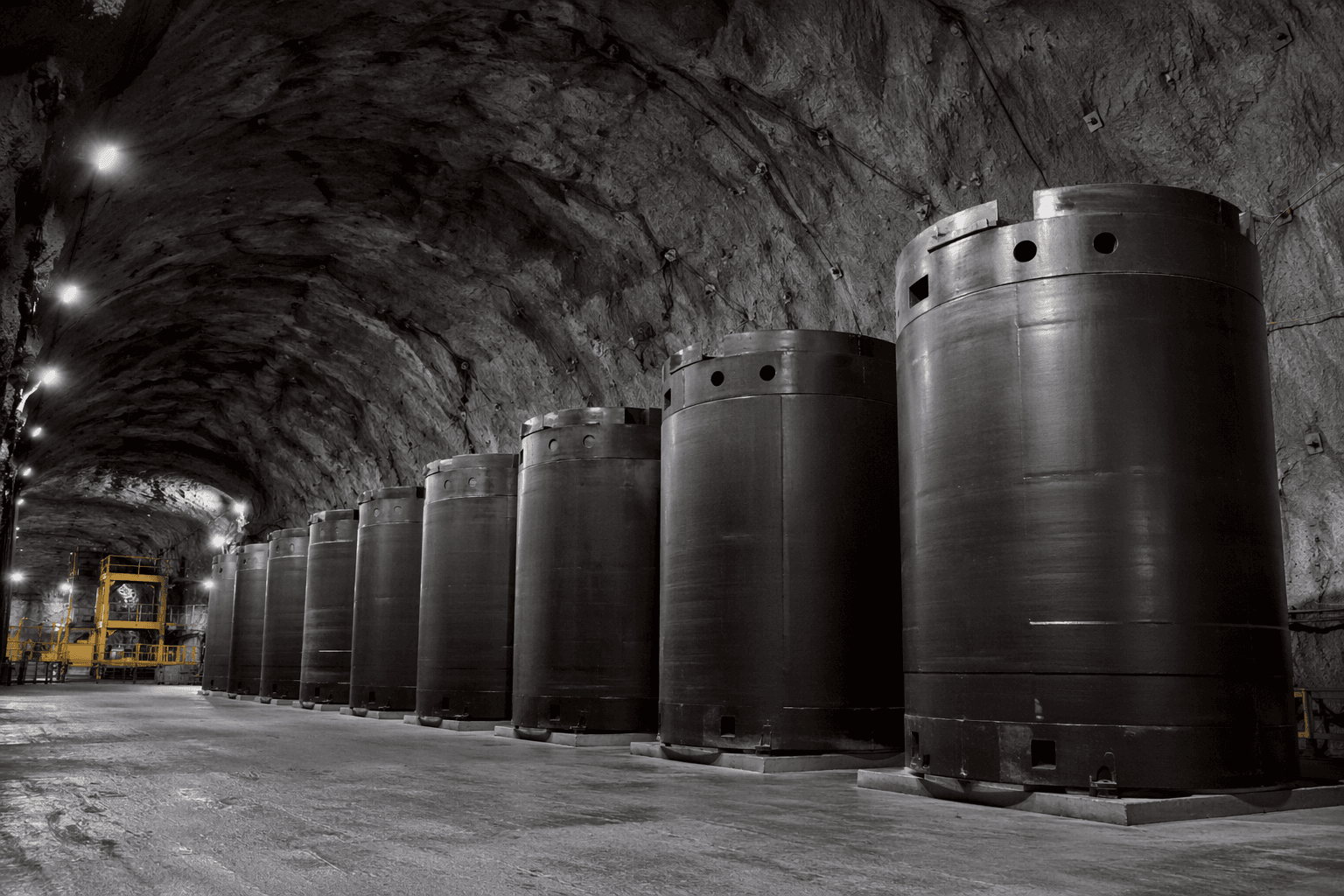
Uzbekistan launches first small modular reactor construction at Jizzakh site
First concrete at Jizzakh turned Uzbekistan’s SMR plan into a real build, with a June 4 licence, a 13-metre pit, and a hybrid reactor scheme.
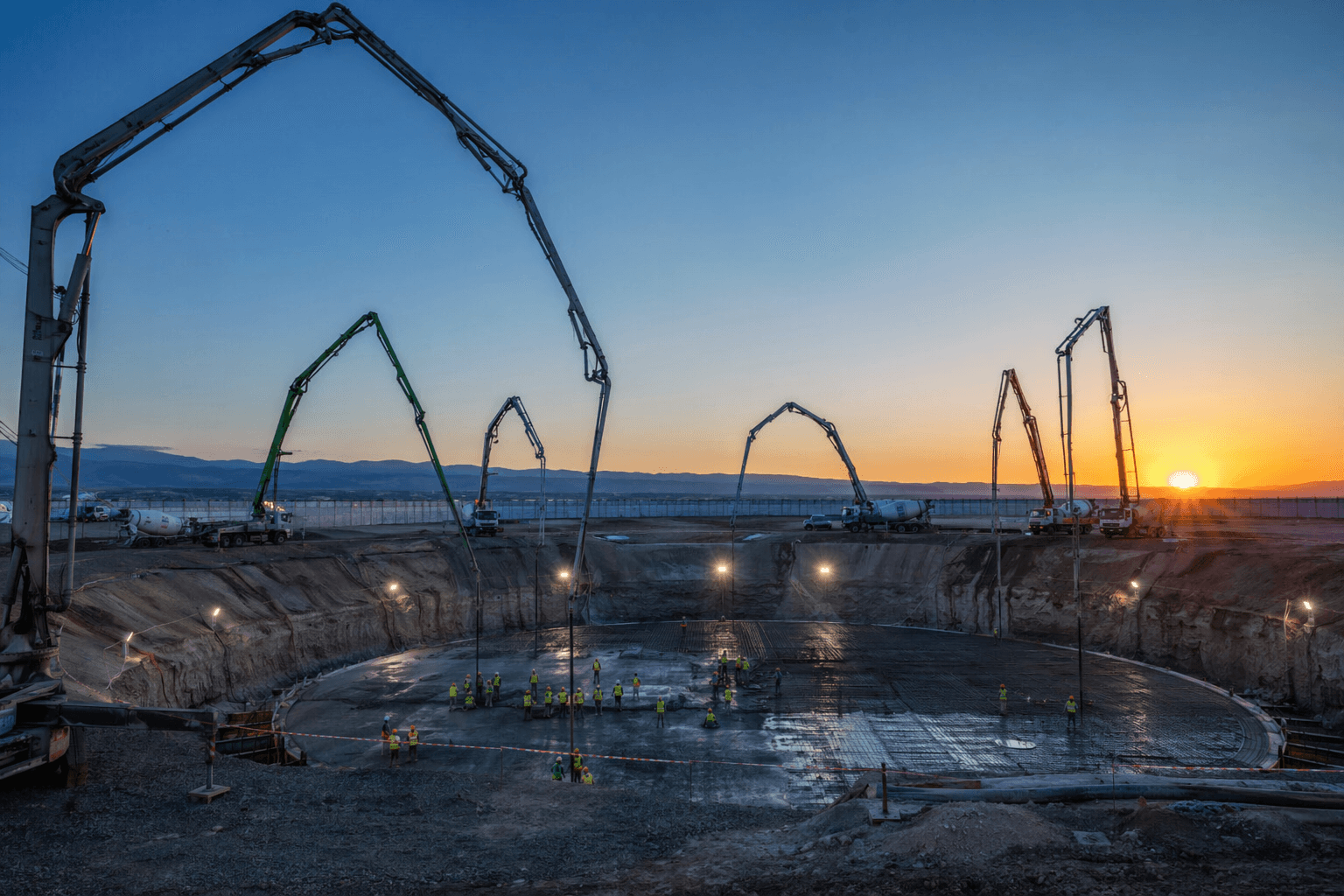
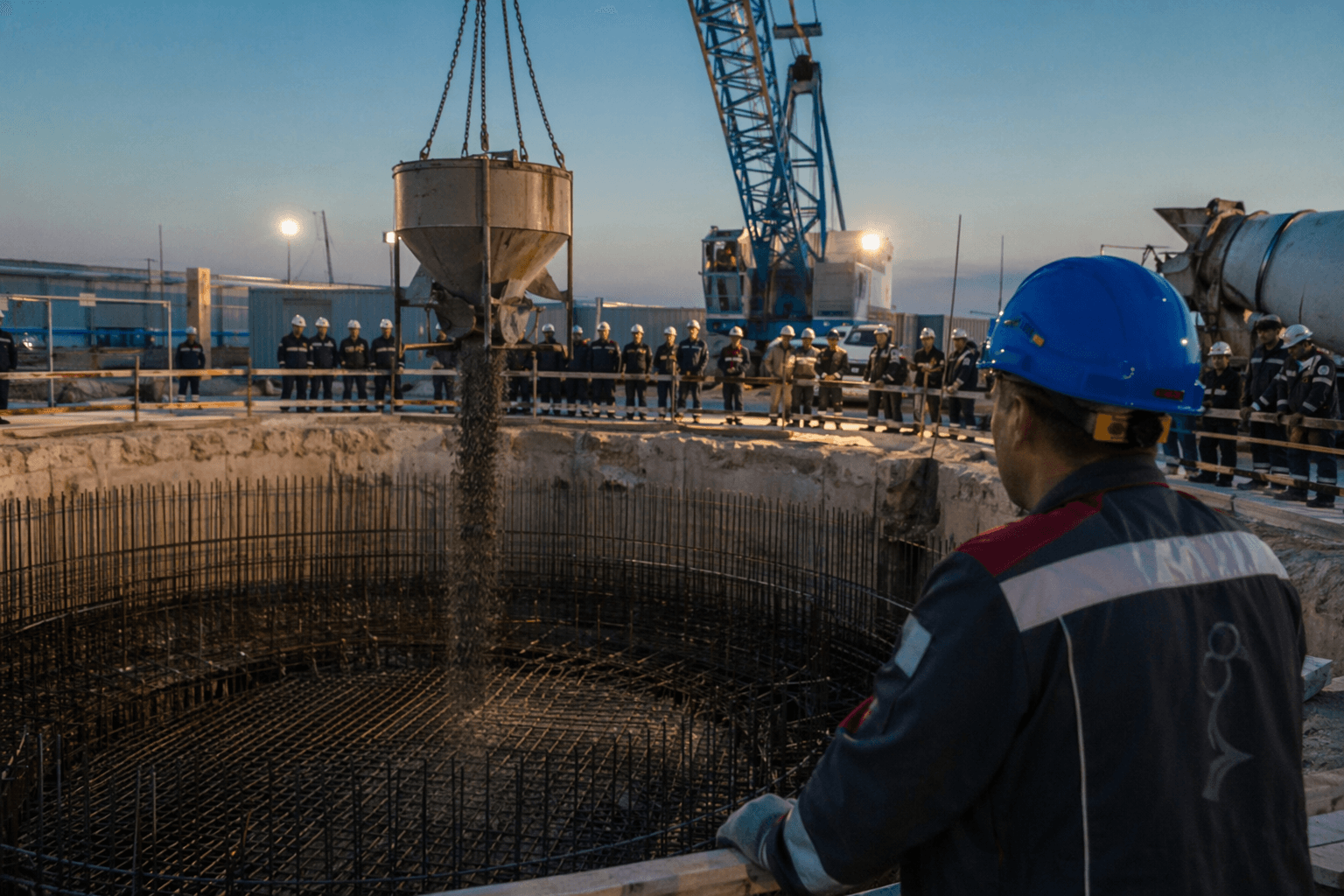
First concrete at Jizzakh was the moment Uzbekistan’s SMR project stopped being a concept and became a build story. The June 4 ceremony marked the official start of construction for the country’s first small modular reactor, and it carried unusual weight: Vladimir Putin and Shavkat Mirziyoyev joined by video link, while IAEA Director General Rafael Mariano Grossi attended in person, delivered a welcome address, and took part in a symbolic button press with Rosatom, Uzatom and two students from the Tashkent branch of MEPhI National Research Nuclear University.
What first concrete does is simple but decisive. It locks the project into civil work on the nuclear island and puts hardware on a path that can be measured in excavation, reinforcement, concrete pours and licensing steps. What it does not mean is fuel in the core, a completed reactor building or imminent grid connection. At Jizzakh, the groundwork had already been visible for months: excavation began in October 2025, about 1.5 million cubic metres of soil were removed from a pit 13 metres deep, and by March 2026 Rosatom said about 900 cubic metres of concrete were being poured for foundation work. Rosatom said the next phase included leveling, waterproofing and grounding systems before first concrete for the nuclear island foundation slab later in 2026.
The unit itself is the Russian-made RITM-200N, a design adapted from icebreaker technology and rated at 55 MWe with 190 MW of thermal power and a 60-year service life. That matters because the project has already evolved beyond the compact SMR-only plan signed in May 2024, when the contract called for six 55 MW reactors, or 330 MW in total. A 2025 supplemental agreement reshaped the site into a mixed plant with two gigawatt-scale VVER-1000 units and two RITM-200N SMRs, lifting proposed capacity above 2,100 MWe.

Rosatom says that configuration would make Uzbekistan’s plant the first site in the world to host two different types of power units on one nuclear plant site. It also says the full four-unit integrated plant could generate about 17.2 billion kWh a year and cover as much as 14% of Uzbekistan’s electricity demand. The Committee for Industrial, Radiation, and Nuclear Safety under the Cabinet of Ministers issued the construction licence for the first unit on June 4, clearing the next stretch of work toward a first criticality target now being discussed for late 2029.
That is why the ceremony mattered beyond the photo line. First concrete at Jizzakh was not just a ribbon-cutting for a reactor pit. It was the point where an export SMR project began to look like a concrete, licensed reference case, with civil works, a hybrid plant design and a host-town plan for nuclear medicine, materials science, irradiation technologies and training all tied to the same site.
This article was produced by Prism’s automated news system from verified source data, official records, and press releases, then run through automated quality and moderation checks before publishing. The system is built and supervised by the people who set the standards it runs under. Read our full AI policy.
Did this article answer your question?