10 critically endangered Philippine hanging parrots returned to the wild
Ten critically endangered kulasisi were flown back into Cotabato’s wild after an illegal trade rescue. The PHP 1,500 sale is the warning sign parrot buyers cannot ignore.
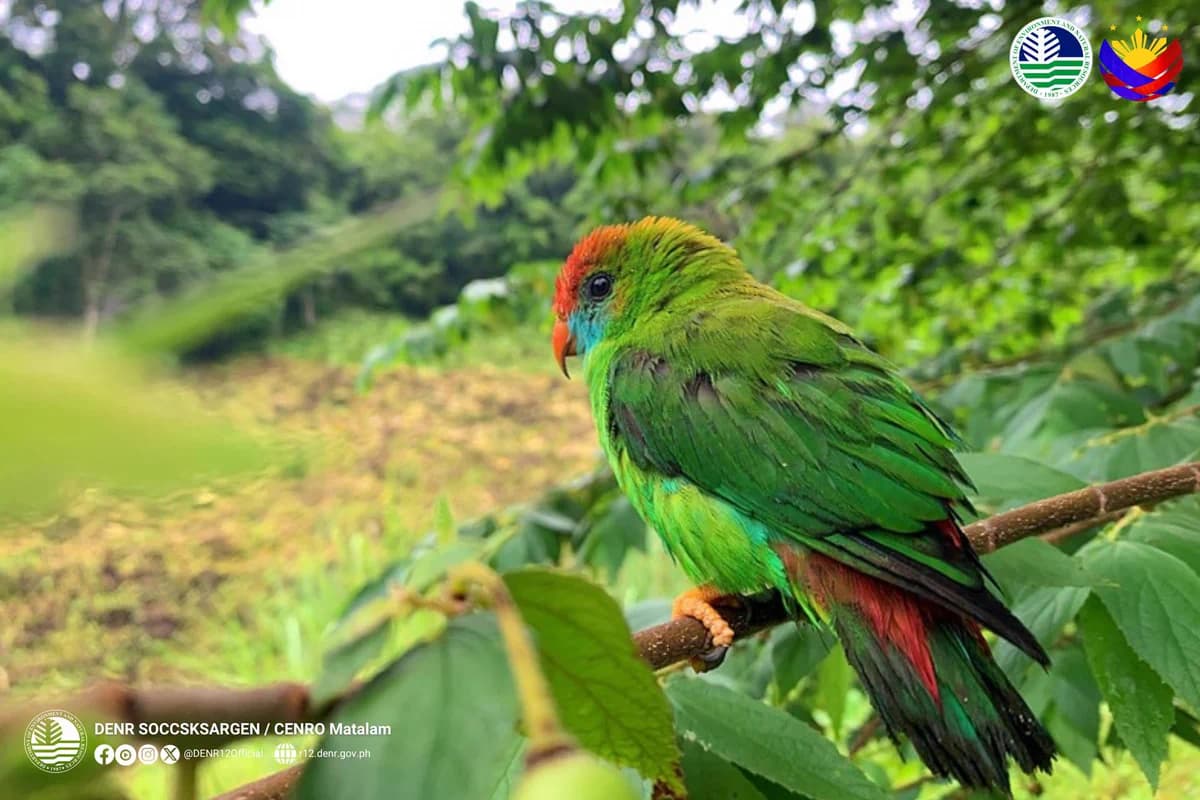
Ten critically endangered Philippine hanging parrots, locally known as kulasisi, were returned to the wild after being rescued from an alleged illegal wildlife trade operation in Cotabato. DENR Soccsksargen marked the release in a July 13 post headlined “10 Rescued Kulasisi Fly Free Again,” turning a rescue case into a rare conservation win.
The birds were identified in multiple reports as Philippine hanging parrots and were described as in good health and ready for release. One account placed the rescue in Magpet, Cotabato, while another said the birds were found in Barangay Pangao. GMA News Online and GMA Regional TV both described the animals as critically endangered and said they were taken from illegal trade before being released back into the wild.
One detail cuts straight to the reader-value question: the birds were reportedly turned in by a concerned citizen after being sold illegally for PHP 1,500. That is the kind of number that should set off alarm bells for anyone offered a parrot outside a proper channel, especially when the bird is a protected species and no permit is involved. A sale that low, paired with a species as rare as kulasisi, points to trafficking pressure, not a legitimate pet trade.
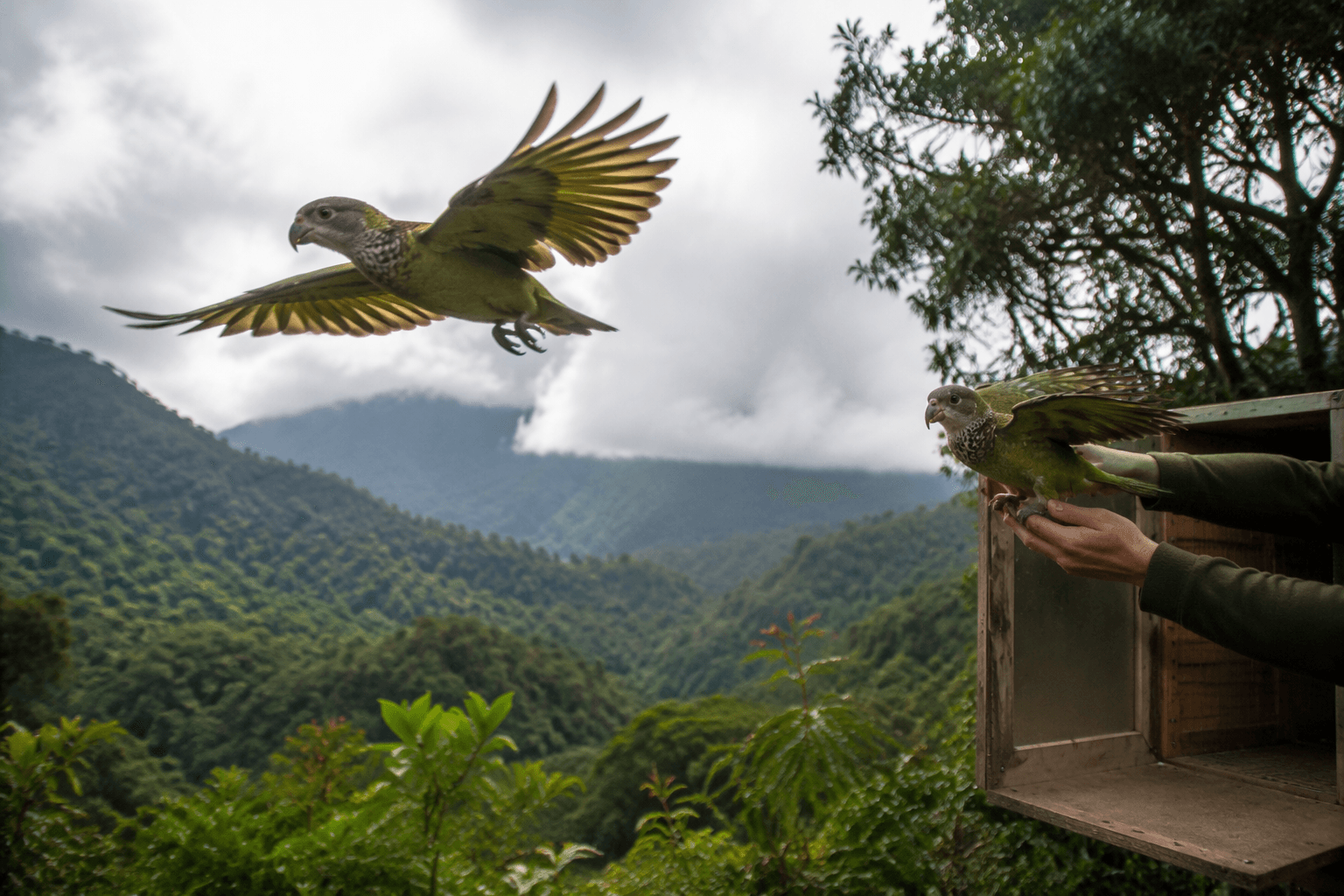
The Department of Environment and Natural Resources used the case to restate a basic rule that too many buyers still ignore: wildlife collection and possession without permits are prohibited. That prohibition matters far beyond one release in SOCCSKSARGEN, because every bird removed from the wild feeds the same pipeline that turns a native parrot into a commodity.
For parrot keepers, the red flags are plain in this case. A seller offering a Philippine hanging parrot, a price that looks like a bargain, or any bird with no paperwork for legal possession should stop the transaction immediately. The moment a species like kulasisi shows up in a private sale, the safest move is to walk away and report it.
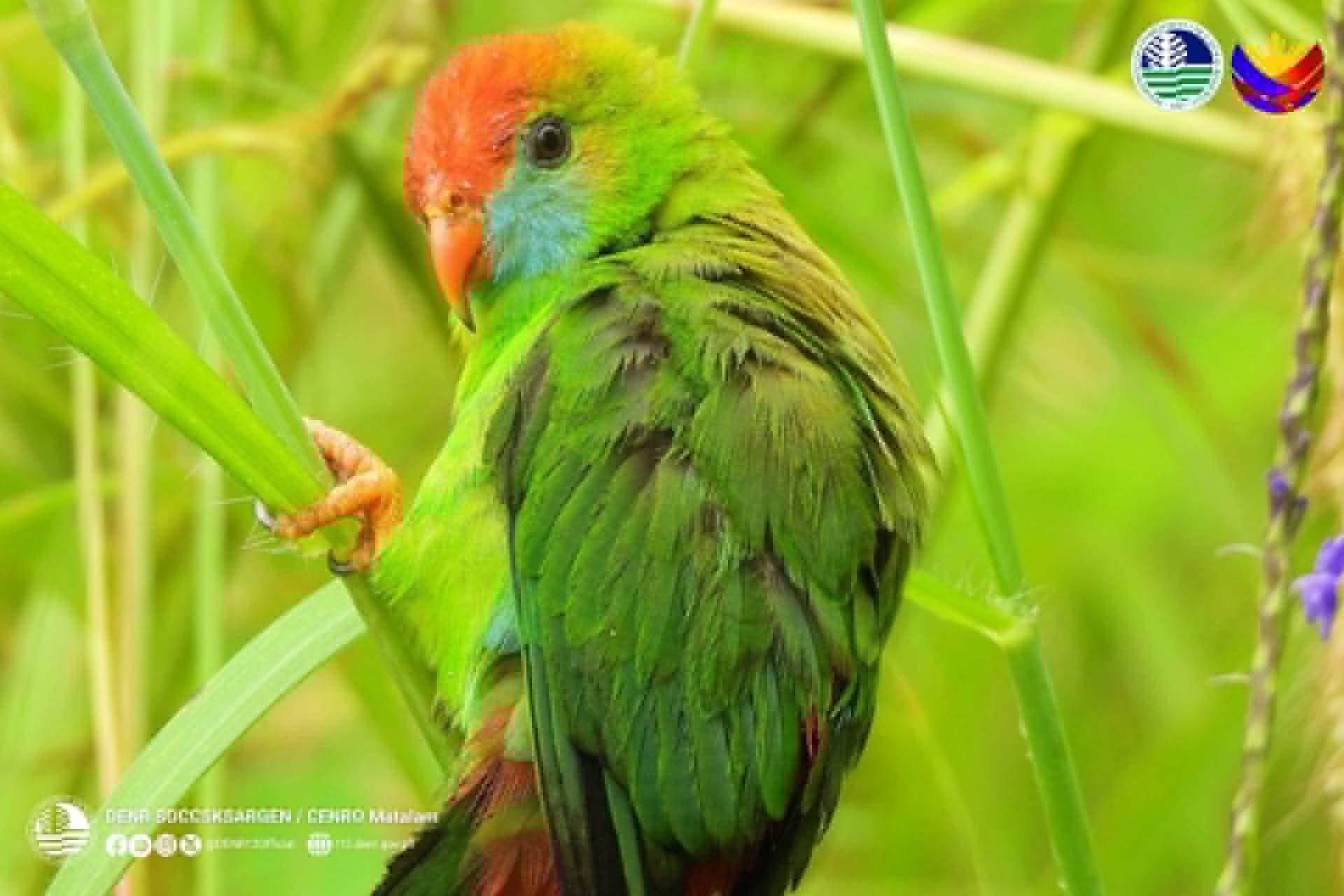
The 10 birds that went free in Cotabato were more than a rescue headline. They were proof that a concerned citizen, a rehabilitation step, and a release back into habitat can still break a trafficking chain before it ends in another cage.
This article was produced by Prism’s automated news system from verified source data, official records, and press releases, then run through automated quality and moderation checks before publishing. The system is built and supervised by the people who set the standards it runs under. Read our full AI policy.
Did this article answer your question?