57,000 Hectares of Habitat Destroyed, Swift Parrot Losses Spark Outcry
Australia approved more than 57,000 hectares of threatened-species habitat for destruction in 2025, with 7,643 hectares tied to northern quoll and swift parrot habitat.
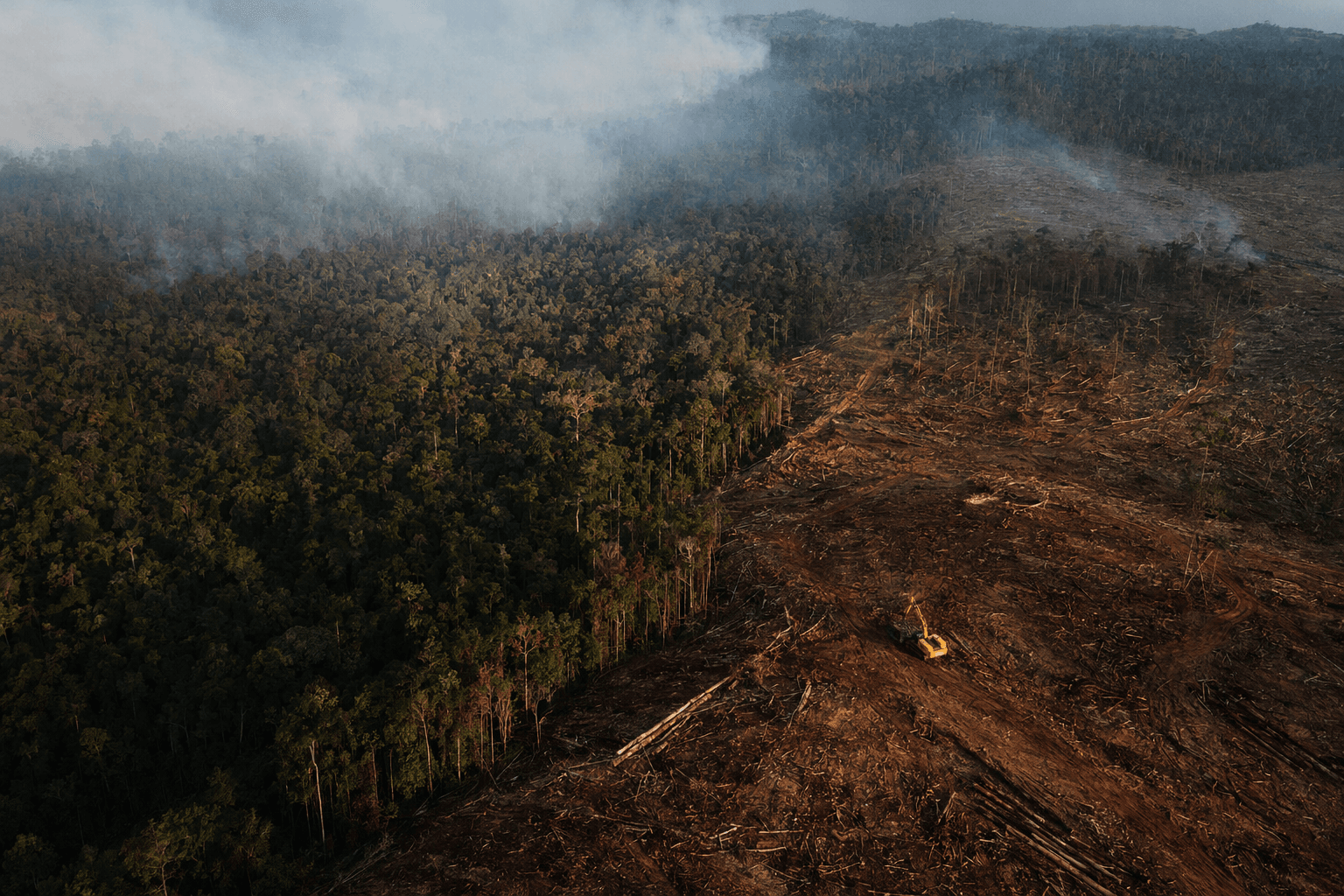
Habitat loss is now the headline threat that hangs over every discussion of swift parrot survival. In 2025, more than 57,000 hectares of threatened-species habitat were approved for destruction, a level the Australian Conservation Foundation called the worst 12-month period in 15 years. For parrot lovers, that figure is not abstract. It signals how quickly the places birds depend on can disappear before recovery plans have a chance to work.
The scale of the damage mattered even more for the northern quoll and the swift parrot, with 7,643 hectares of habitat approved for destruction. The Australian Conservation Foundation said the approvals were more than double the 2024 figure and five and a half times the 2023 total. Its Extinction wrapped 2025 report also said 42 more plant and animal species were added to Australia’s threatened-species list last year, while five species moved closer to extinction.
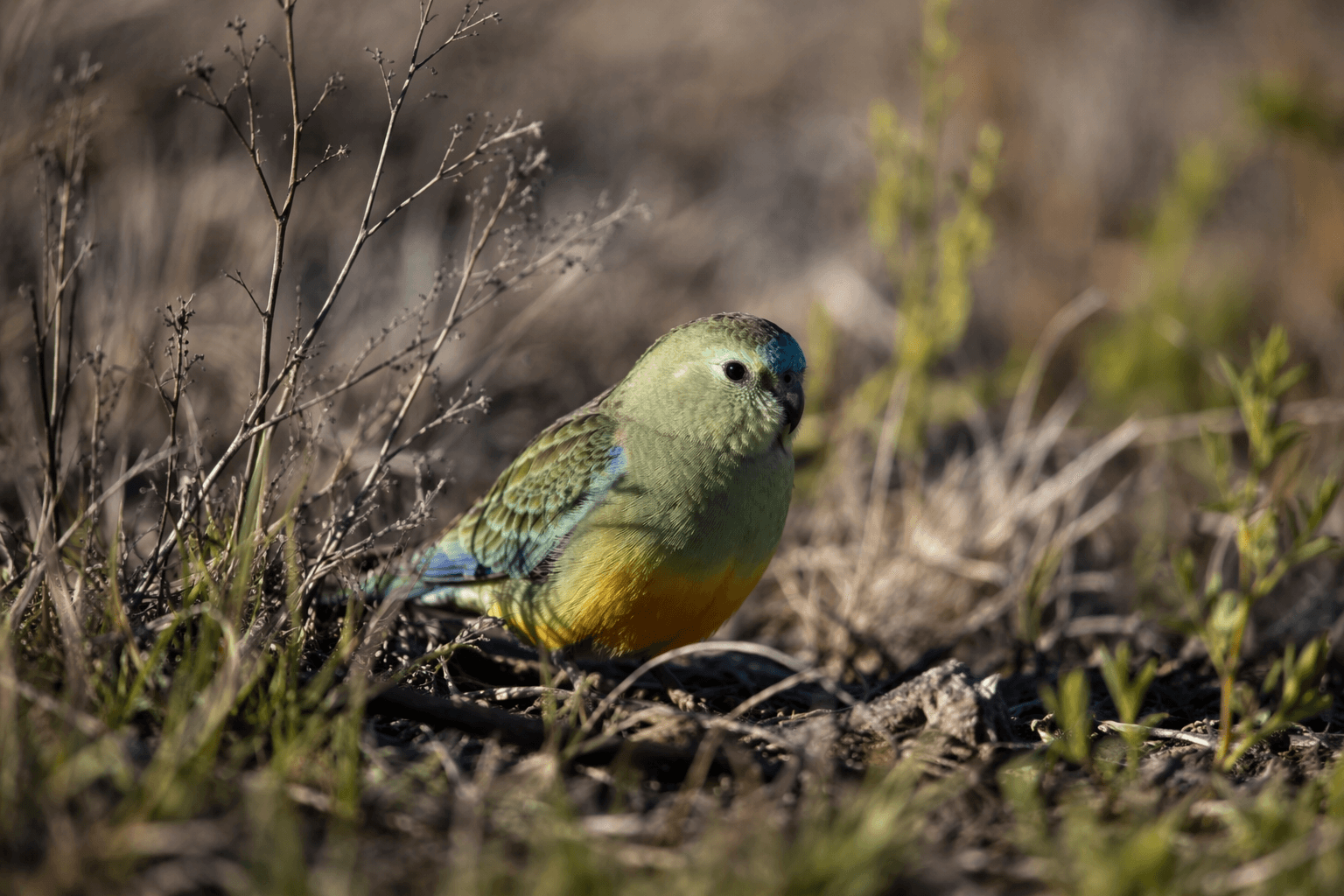
That lands especially hard for the swift parrot, one of only two migratory parrots in the world. The bird is listed as critically endangered under federal law, effective 5 May 2016, and its National Recovery Plan came into effect on 30 April 2024. The species breeds in Tasmania in summer and migrates to mainland Australia in autumn, which makes the loss of both breeding forest and feeding country especially consequential. The federal government has said it secured more than $3 million for recovery projects, and the Albanese government later announced more than $1.3 million in projects to support swift parrot recovery.
But those spending pledges have not quieted the backlash. BirdLife Australia warned in May 2024 that the recovery plan could oversee the bird’s extinction if logging continued in critical habitat. The group has said as few as 500 birds remain in the wild and that extinction within ten years is possible. In July 2025, ABC reported that a massive flock near Bendigo may have represented close to the entire population, a reminder of how few birds may still be moving between Tasmania and the mainland.
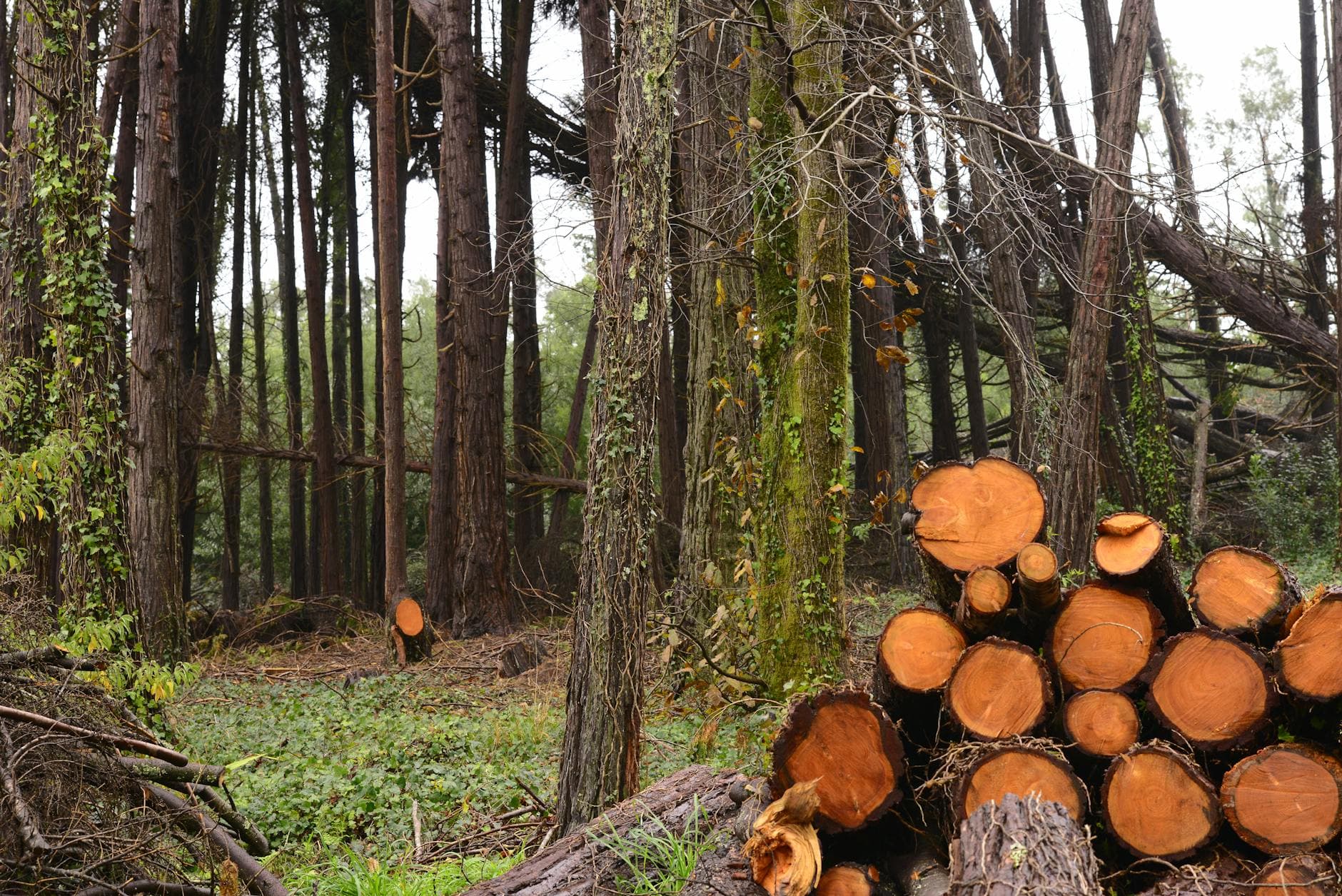
Opposition to logging in swift parrot forests has also become increasingly direct. On 12 February 2025, the Bob Brown Foundation said seven forest defenders occupied a public road in swift parrot forests where logging was flattening habitat. Then, on 27 October 2025, Wilderness Society Tasmania, represented by Environmental Justice Australia, filed legal action in the Tasmanian Supreme Court over logging approvals in some of the last remaining breeding forests.
For people who keep parrots, the bigger lesson is not about cage care. It is about stewardship. A bird that depends on hollow-bearing trees and seasonal flowering cannot recover if its habitat keeps getting cleared, and the future of parrots in Australia will be shaped as much by land-use decisions as by any aviary setup.
This article was produced by Prism’s automated news system from verified source data, official records, and press releases, then run through automated quality and moderation checks before publishing. The system is built and supervised by the people who set the standards it runs under. Read our full AI policy.
Did this article answer your question?