Cockatoo Rejects Dancing Toy, Reminding Caregivers Enrichment Is Personal
A cockatoo’s blank stare says what many toy boxes miss: enrichment only works when it fits the bird, not the human’s idea of fun.
When a flashy toy falls flat
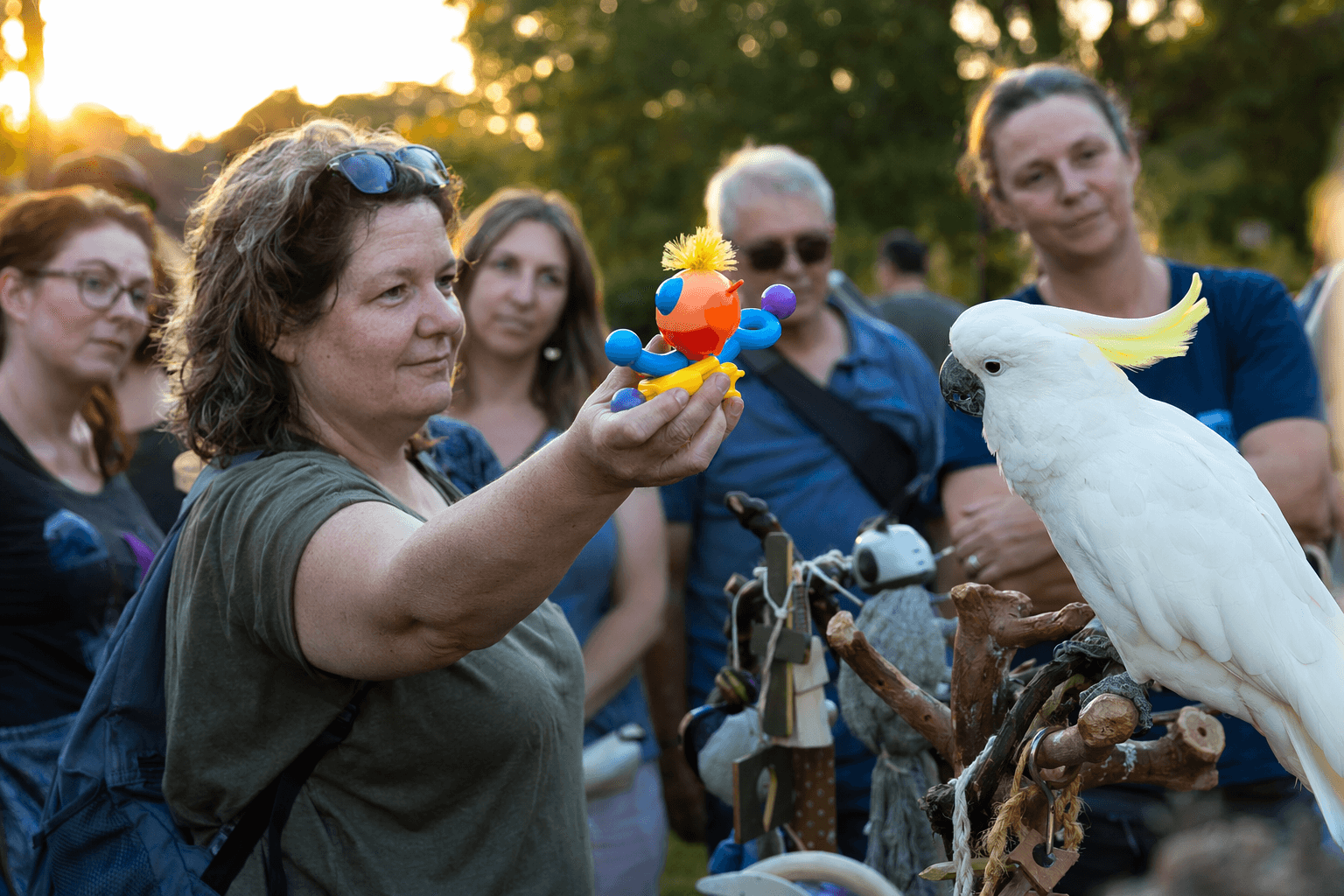
The cockatoo was not impressed, and that is exactly the point. A dancing toy may look clever to a caregiver, but a bird’s bored or suspicious reaction is a reminder that enrichment is only useful when the bird actually wants to engage with it. In parrots, especially cockatoos, indifference is not a small detail. It is information.
That matters because cockatoos are known for high-energy play and plenty of wood chewing, but even within a species, preferences vary sharply. The Association of Avian Veterinarians is clear on the bigger lesson: a toy that works for one bird may not work for another, and that is normal, not a failure of care.
Read the bird before you read the label
The safest enrichment item in the world can still miss the mark if it does not match temperament. Some parrots are drawn to motion, sound, and novelty right away. Others need time to inspect a new object, test it with the beak, and decide whether it belongs in their space. A cockatoo that looks unimpressed is not being dramatic for the sake of it. It is telling you something useful about trust, comfort, and interest.
This is why the human instinct to force a new item into the cage can backfire. If a bird ignores a toy or clearly distrusts it, the better move is to keep observing, offer alternatives, and let the bird set the pace. That approach fits the way cockatoos and other parrots actually behave in captivity, where the bird’s response is often more valuable than the caregiver’s expectation.
A practical checklist for judging whether a toy really works
The best enrichment decisions are made after first contact, not before it. When you introduce a toy, watch five things closely:
- Noise: Does the sound spark interest or make the bird tense up? Some birds enjoy clatter and rattles, while others back away the moment a toy starts talking back.
- Motion: Does movement invite investigation, or does it feel threatening? A dancing toy may look entertaining to people, but a bird that freezes, leans away, or refuses to approach is likely saying no.
- Texture: Does the bird mouth, chew, or manipulate the material? Cockatoos often lean into wood chewing, so texture can matter as much as movement.
- Fear response: Does the bird startle, pin, retreat, or avoid the area after the toy is placed nearby? That reaction should be taken seriously instead of treated as stubbornness.
- Re-engagement: After the first look, does the bird come back? A toy that gets one cautious glance and then nothing else is not doing much enrichment work.
A good rule is simple: initial curiosity is not enough. Real enrichment is the toy the bird returns to, handles, chews, manipulates, or forages from again and again.
Rotate, reassess, repeat
The Association of Avian Veterinarians says toys should be rotated regularly, often every day or week. Deep-cleaning days are a useful time to step back and rethink how the enclosure is being used, including ways to increase movement, foraging, and enrichment opportunities. That makes toy rotation less like a decorating habit and more like part of daily welfare care.
Rotation also helps reveal preferences that would otherwise stay hidden. A bird may ignore an item the first time, then become fascinated with it after a break. Another bird may lose interest fast if the same object stays in place too long. The goal is not to keep adding more clutter. The goal is to keep the environment responsive to the bird in front of you.
Match the toy to the species, then to the individual
Species tendencies still matter. AAV guidance notes that cockatoos tend toward high-energy play with lots of wood chewing, while macaws often like to manipulate and disassemble toys. Amazons, by contrast, may prefer toys within easy reach. Those differences are a starting point, not a final answer, but they are important if you want enrichment that feels natural instead of random.
That is also where foraging enrichment fits in. AAV guidance defines it as stimulation that helps parrots search for, procure, and extract or process food. In practice, that means the best setups do more than decorate the cage. They ask the bird to think, work, and choose.
Why the science keeps pointing the same way
The wider welfare research backs up what bird people already see at home. A 2021 review found that intelligent psittacines need more cognitive stimulation and that more naturalistic diets may improve welfare. That lines up with the idea that parrots do best when their days include problem-solving, not just access to food in a bowl.
A 2024 modified Delphi study reinforced another hard truth: parrot welfare remains under-researched compared with other captive species. The study brought in 26 parrot welfare experts and sector professionals, which is a reminder that even in a specialized field, there is still a lot to learn about what captive parrots need most. For caregivers, that means daily observation is not just helpful, it is central to good care.
What the cockatoo is really teaching
The humor of a bird acting like a disappointed critic is easy to enjoy, but the lesson behind it is serious. Enrichment is not successful because it looks clever to people. It succeeds when it suits the bird’s temperament, invites repeat engagement, and respects the bird’s comfort level.
If a cockatoo rejects a dancing toy, that is not the end of the story. It is the start of better observation. The bird’s reaction becomes data, and good care begins when that data shapes the next choice.
This article was produced by Prism’s automated news system from verified source data, official records, and press releases, then run through automated quality and moderation checks before publishing. The system is built and supervised by the people who set the standards it runs under. Read our full AI policy.
Did this article answer your question?