Wakefield Parrot Rescue Races to Find New Home for 60 Birds
Nearly 60 parrots may need a new home by August, including a blind 35-year-old macaw and a 55-year-old bird who still waves at visitors.
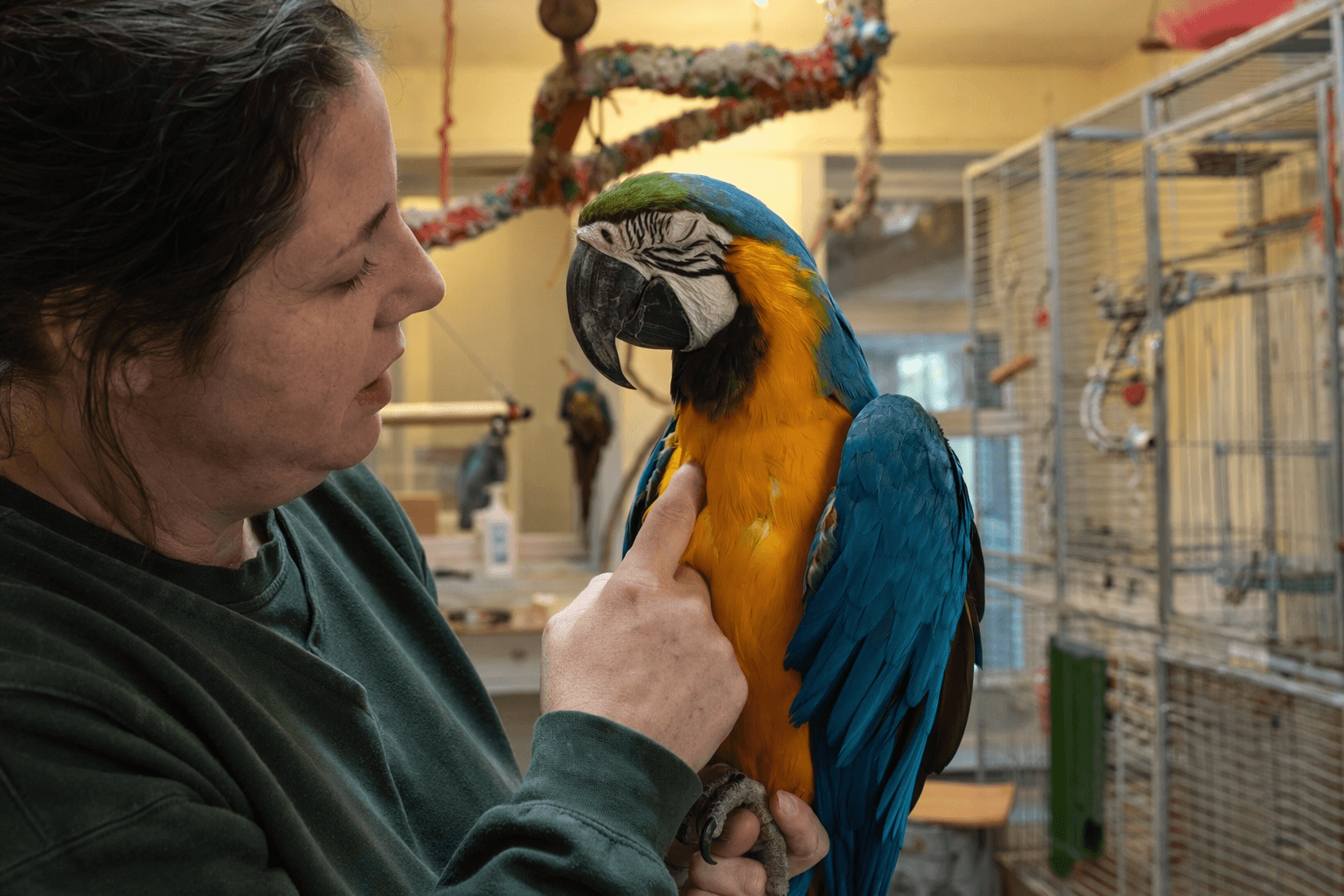
A lease loss is now a welfare crisis for nearly 60 parrots in Wakefield, Virginia. Nana & Papa’s Nest has been told its site will not be renewed in August 2026 because the property is being sold, forcing Jodie Owrey and Melissa Cheney to protect birds that cannot be moved like ordinary pets.
The rescue says it is a Southeastern Virginia 501(c)(3) nonprofit parrot rescue and sanctuary, run entirely by volunteers and supported by donations. Visits are by appointment only, a choice meant to keep the birds from getting overstimulated in a place already filled with constant care, cleaning, and supervision. With so many residents under one roof, any relocation plan has to account for cage space, medical routines, and the stress that comes with upheaval.
The birds already show why a rushed move would be risky. Jude, a 35-year-old Ruby Macaw, came to the rescue after his owner died. He is blind after spending most of his life on a seed diet, a reminder that bad nutrition can leave permanent damage. Birdie, 55, greets visitors by waving and blowing kisses. Cuddles, a 41-year-old Moluccan Cockatoo, survived a house fire and still needs consistent medical attention. Those histories mean each bird brings its own feeding schedule, handling needs, and level of trust.
Owrey has said larger parrots can live to be 100 years old, which makes long-term planning part of everyday parrot ownership. The rescue’s own materials note that birds are often surrendered when owners enter nursing homes or assisted living, or when health problems make caregiving impossible. That reality is one reason parrots so often outlive the homes built for them.

The Association of Avian Veterinarians warns that seed-heavy diets can make birds obese and trigger fatal diseases early in life, while most parrots do better on pellets, fresh vegetables and fruit, healthy grains, edible flowers, and limited nuts and seeds as treats. At Nana & Papa’s Nest, the daily routine reflects that standard: birds are fed twice a day, cages are cleaned regularly, and staff provide constant interaction.
The broader rescue world is equally unforgiving. The Avian Welfare Coalition says avian rescue quality and sustainability vary widely, and ordinary shelters are often not equipped for birds with specialized placement and care needs. For Nana & Papa’s Nest, the August deadline is not just a landlord issue. It is a countdown for 60 birds whose stability depends on finding the right next home.
Know something we missed? Have a correction or additional information?
Submit a Tip