74 parrots rescued from Whitefield barn, birds now in quarantine and care
Seventy-four parrots were pulled from a Whitefield barn, and 71 are now quarantined in Warwick as rescuers warn how fast loving care can become overload.
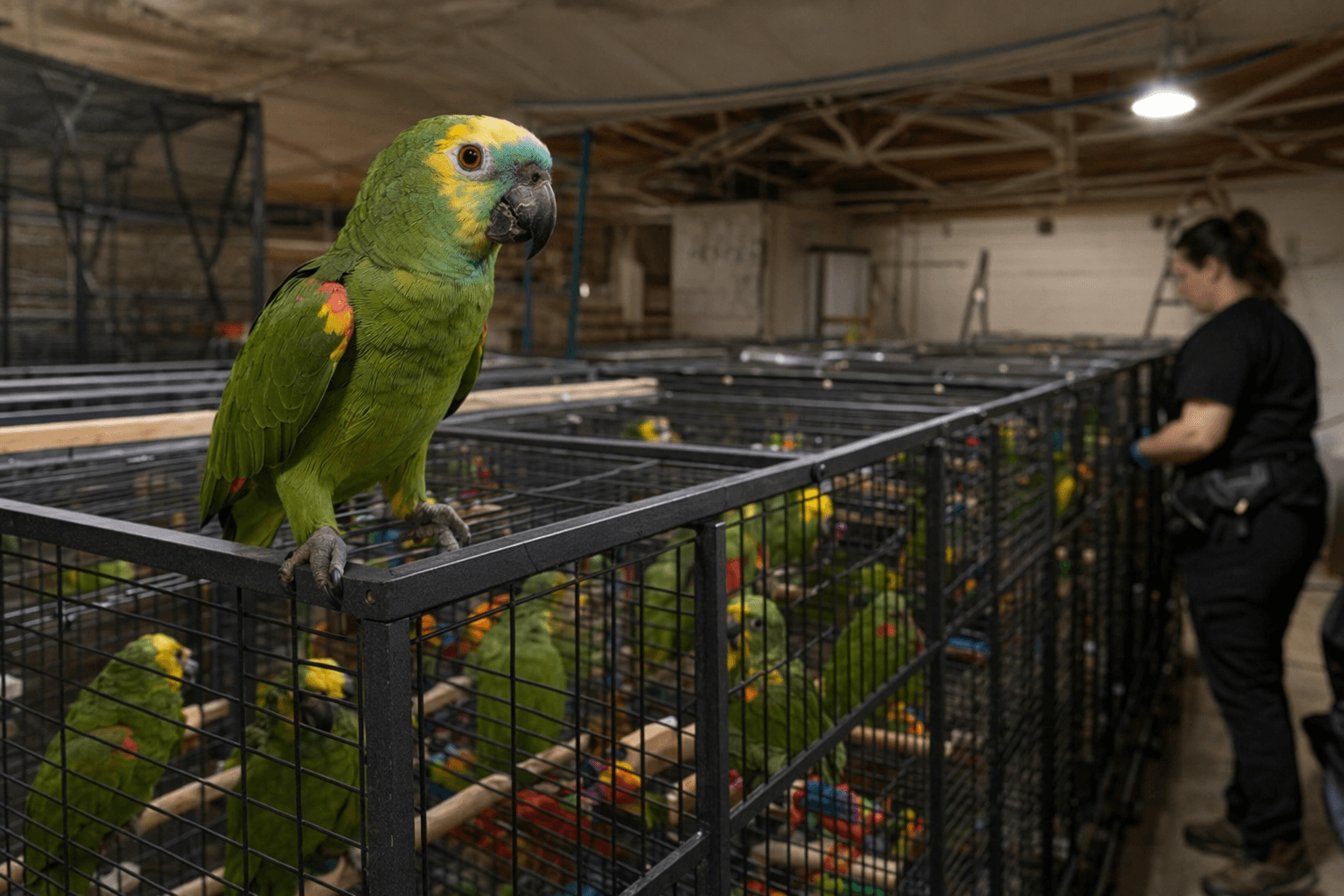
Seventy-four parrots came out of a barn in Whitefield, New Hampshire, a removal that began as a welfare emergency and quickly became a rehoming scramble. Rhode Island Parrot Rescue took 71 birds to Warwick, Rhode Island, where they were quarantined and medically assessed, while a separate shelter in Dover, New Hampshire, later handled three lovebirds still unaccounted for: Billbo Baggins, Mary and Pippen.
The barn itself told the story of how a situation can slide from manageable to dangerous. Rhode Island Parrot Rescue said the birds were kept in an unsecured structure with no electricity or running water, and that an animal had already broken into the barn and attacked several of the birds. What rescuers found was not a single moment of neglect so much as a long unraveling, with an owner who loved the birds but could no longer keep up.
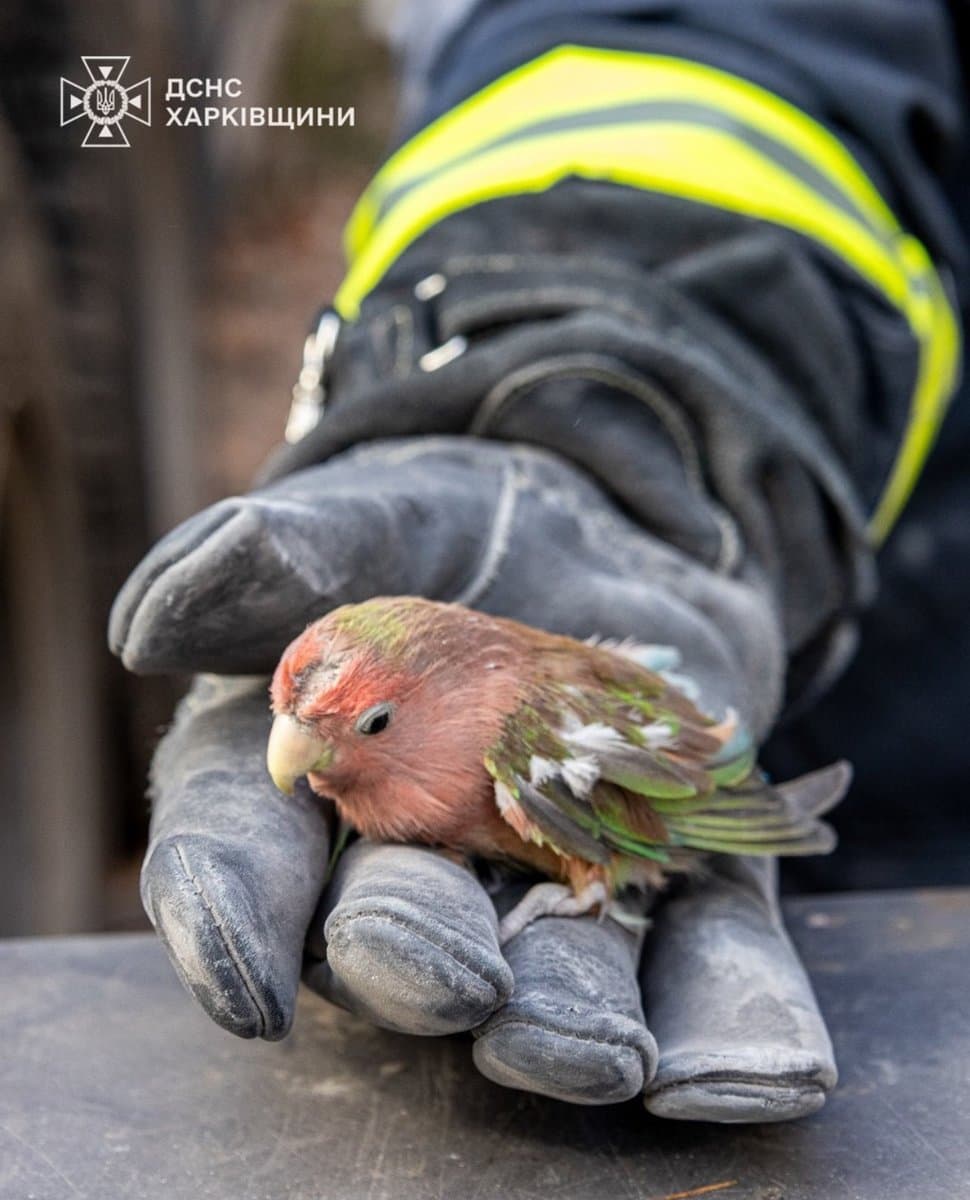
The flock now being worked through in Warwick included two macaws, one Congo, one Amazon, one Sun Conure and 66 lovebirds. That mix matters: the smaller birds may be easier to house in numbers, but the larger parrots bring bigger cages, heavier diets, more specialized veterinary needs and far more difficult placement decisions. Rhode Island Parrot Rescue is working with other organizations and volunteers to place the birds, and it is asking for donations to help cover medical care.
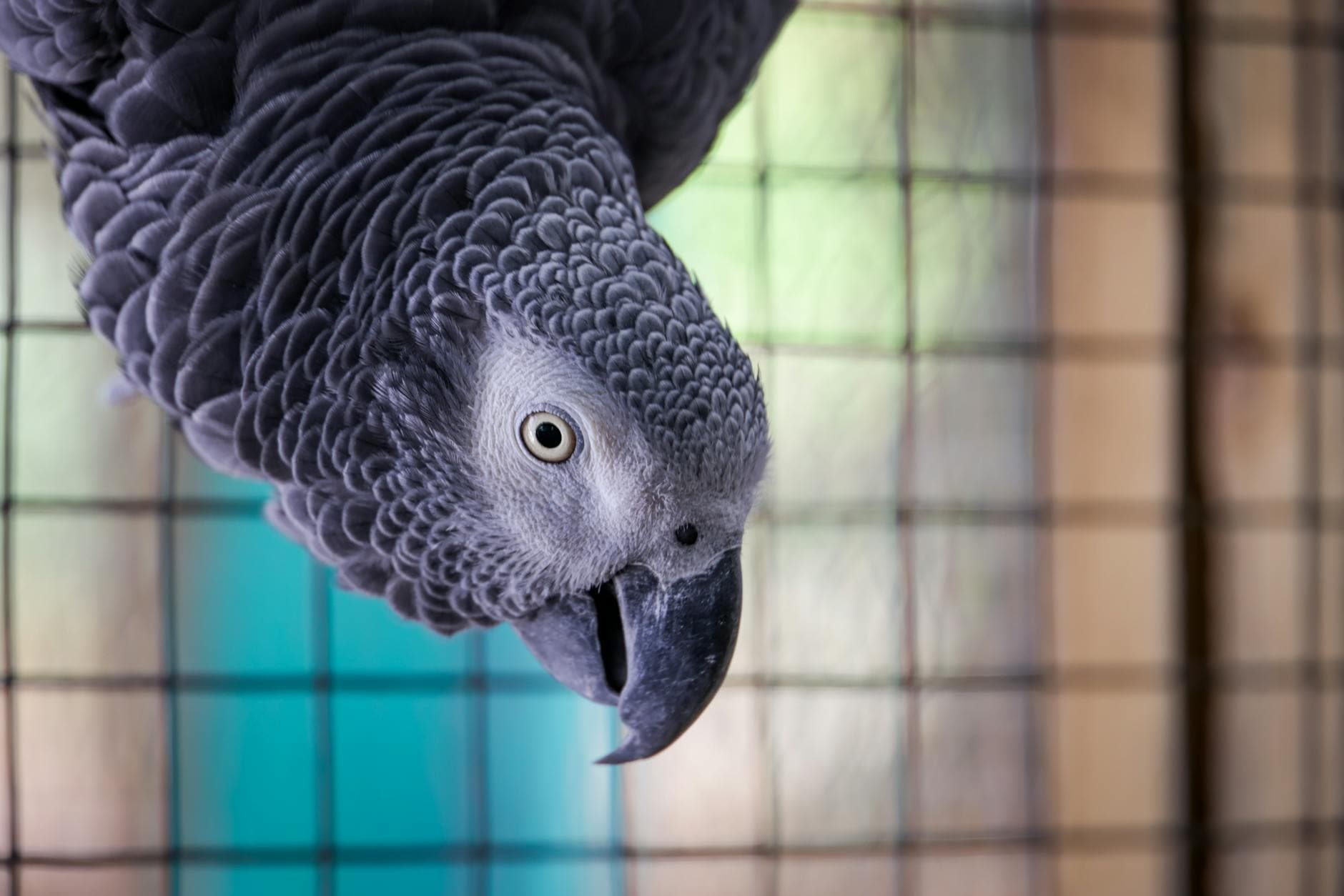
For companion-bird owners, the warning sign is not just a messy cage or a skipped appointment. It is the slow drift into overload: too many birds, not enough space, no backup plan for illness, and a household that can no longer provide electricity, water, quarantine or species-appropriate care. Parrots can live 30 to 100 years depending on the species, and the American Veterinary Medical Association says larger birds such as parrots, conures, macaws and cockatoos can live 20 years to more than 100 years. That is a lifetime commitment measured in housing, vet bills and time, not months.
Rhode Island Parrot Rescue knows the scale of that burden. The group has said it gets more than 10 calls a week from people needing to relinquish or urgently place birds, adopts out about 85 birds a year and once took in 117 abandoned birds from a Connecticut breeder in 2016, a case that ran up more than $20,000 in veterinary bills and took five years to rehome fully. For owners who are reaching the limit, surrender is not failure. In a flock this large, and in a species this long-lived, it can be the kinder choice before a hard situation turns into a rescue scene.
This article was produced by Prism’s automated news system from verified source data, official records, and press releases, then run through automated quality and moderation checks before publishing. The system is built and supervised by the people who set the standards it runs under. Read our full AI policy.
Did this article answer your question?