Airline-approved parrot carriers keep birds safe, calm during travel
The safest parrot carrier is chosen weeks before departure, not at the gate. Airline rules, under-seat sizing, and calm acclimation decide whether the trip works.
Start long before the airport
The biggest mistake people make with parrot travel is treating the carrier like a last-minute accessory. If you wait until travel day to solve it, you are already behind. A real airline-approved setup begins weeks ahead, because the carrier has to fit the bird, fit the airline’s rules, and fit the stress level of both you and your parrot.
That is the practical lesson behind every smart travel plan: the carrier is not just a box for getting from point A to point B. It is your bird’s temporary cabin, and if it is wrong, the whole trip gets louder, riskier, and harder on everyone.
What airline-approved really means
Airline-approved is not a decorative label. Under Federal Aviation Administration guidance, the airline decides whether a pet may ride in the passenger cabin at all. If the bird is allowed onboard, the container is treated as carry-on baggage, which means it has to follow carry-on rules, not cage-room logic.
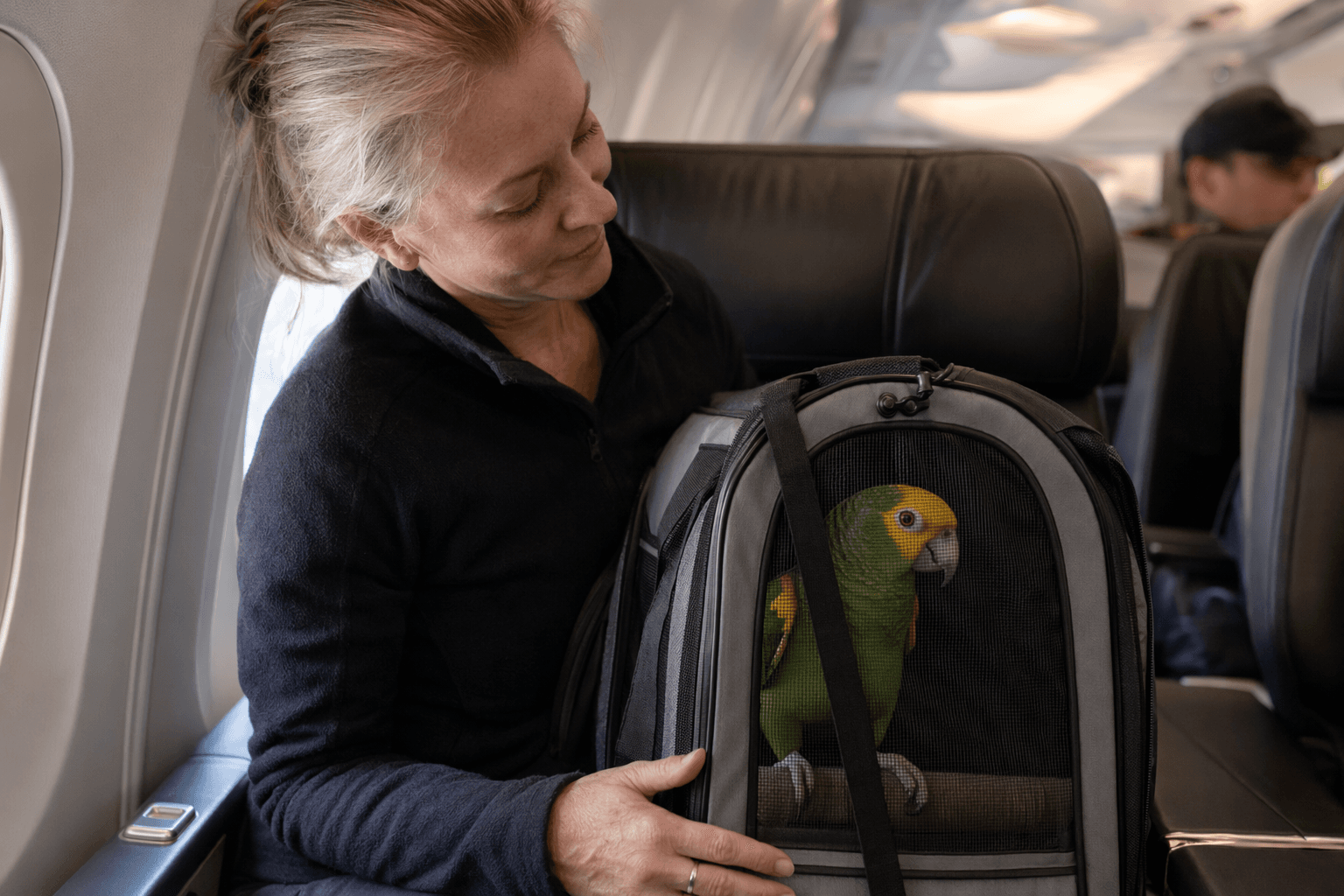
The FAA is clear on the basics: the carrier must fit under the seat in front of you, and it must stay stowed for taxi, takeoff, and landing. That makes sizing a compliance issue, not a comfort preference. If the carrier is too large, too flimsy, or too awkward to secure, it can become a problem before the flight even begins.
A standard household cage is the wrong tool for air travel. It can bend, break, or pop open, and that is exactly the kind of failure that can endanger a bird in a crowded terminal or get you turned away at check-in.
Cabin travel is not the same as cargo travel
This is where a lot of bird owners get tripped up. The right plan depends on the bird, the route, and the airline. Some birds can fly in the cabin, some cannot, and some airlines push certain travel situations into cargo only.
Delta Air Lines says small dogs, cats, and household birds can travel in the cabin on domestic flights within the contiguous U.S. if they meet age, health, size, and kennel requirements. Delta also collects a one-way pet fee at check-in, so the trip has a cost attached from the start.
American Airlines is more restrictive for larger animals: if a pet is too large to fly in the cabin, it must travel with American Airlines Cargo. United Airlines has also shifted its policy in a major way, saying it no longer accepts pets through its former PetSafe checked-pet program, which is a good reminder that rules change and you cannot assume one airline’s policy matches another’s.
The takeaway is simple: you do not choose a carrier first and hope the airline accepts it. You verify the airline’s rules first, then choose equipment that fits those rules.
Size, fit, and the under-seat reality
The carrier has to fit the space in front of you, not the dimensions of your living room. That under-seat requirement is what separates a travel-ready carrier from a nice-looking one. If the carrier bulges, tips, or cannot be stowed quickly and securely, it does not matter how good it looks on a product page.
For a parrot, that means you want a carrier that gives enough room to perch, turn, and settle without wasting space. Too much room can make the bird unstable during turbulence. Too little room can make the trip feel cramped and agitating. The sweet spot is a secure, transport-safe interior that keeps the bird grounded and contained.
A good airline-ready carrier should also feel physically dependable. If the door latch, seams, or fasteners seem flimsy in your hands, they are not going to become stronger in a busy terminal.
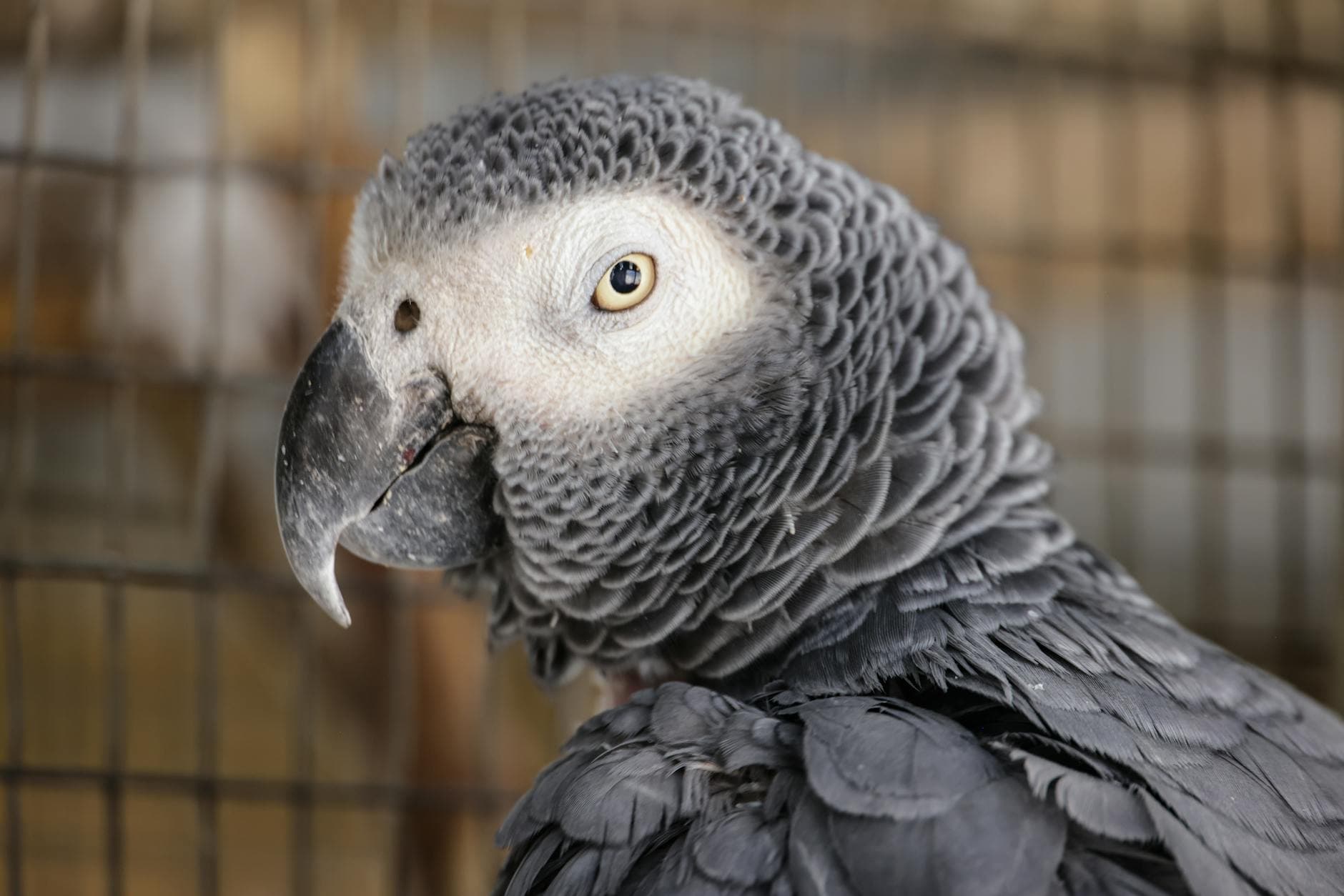
Acclimation starts at home
The American Veterinary Medical Association says bird travel preparations may need to start months in advance, and that advice matters because a carrier is only useful if your bird accepts it. You want the bird to see the carrier as a familiar place, not a surprise enclosure that appears on departure day.
That means short, calm sessions at home long before the trip. Start by leaving the carrier in sight. Then let the bird explore it on its own terms, with the door open and no pressure. After that, build toward brief rides and progressively longer periods in the carrier so the bird learns that this space predicts safety, not panic.
For many parrots, especially birds that are sensitive to change, acclimation is the difference between a manageable trip and a meltdown in the terminal. The goal is not to make travel fun. The goal is to make it predictable.
Paperwork and route planning are part of the carrier decision
Bird travel is not just about gear. The AVMA notes that many birds need travel certificates and compliance with interstate or international travel regulations, which means your paperwork and your carrier are linked. If you wait to sort out documents until the suitcase is packed, you are already flirting with avoidable stress.
This is why route planning matters. A smooth trip depends on knowing whether your destination requires extra documentation, whether the airline accepts birds in the cabin, and whether the carrier you bought actually matches the trip you are taking. If the flight is domestic within the contiguous U.S., Delta’s rules may differ from another carrier’s. If the trip crosses state or national lines, the paperwork burden can grow fast.
The best travel setup is the one that keeps the bird secure without turning the day into a scramble.
Have a backup plan before you need one
Emergency planning is part of being a responsible bird traveler. If the airline says no at check-in, if the carrier is rejected for size, or if the route changes, you need to know your next move before you reach the airport door. That means having a second route, a second airline option if possible, and a realistic sense of whether the bird can travel in cabin or should not be flying at all.
The Association of Avian Veterinarians has argued that in-cabin pet bird travel has been done safely and responsibly for decades under clear guidelines, including secure airline-approved carriers, birds staying under the seat, owner supervision, health certificates, and biosecurity standards. At the same time, the group has pointed to real-world policy gaps, including Hawaiian Airlines’ long-standing prohibition on in-cabin pet bird transport.
That Hawaiian example matters because travel rules can affect more than vacations. The AAV has noted that bird owners in rural Hawaii may need air travel to reach avian specialty care on Oahu and Maui, which means airline policy can determine access to veterinary treatment, not just convenience.
The smartest carrier is the one that matches the trip
The practical answer is not flashy. It is disciplined. Verify the airline’s cabin policy first, confirm that the carrier fits under the seat, make sure the design is secure enough for turbulence and escape prevention, and start acclimation well before travel day. Then line up the documents, health requirements, and backup plans that go with the flight.
That is what separates a calm trip from a chaotic one. An airline-approved parrot carrier is not a marketing promise. It is the foundation of safe travel, and the right one is chosen with the same care you would use for any other major decision involving your bird’s welfare.
This article was produced by Prism’s automated news system from verified source data, official records, and press releases, then run through automated quality and moderation checks before publishing. The system is built and supervised by the people who set the standards it runs under. Read our full AI policy.
Did this article answer your question?