Parrot Body Language, How to Read Feathers, Eyes, and Calls
Your parrot is always saying something with feathers, eyes, posture, and calls. The skill is matching each signal with the response that keeps bites, fear, and mistrust from escalating.
Read the whole bird, not one dramatic gesture
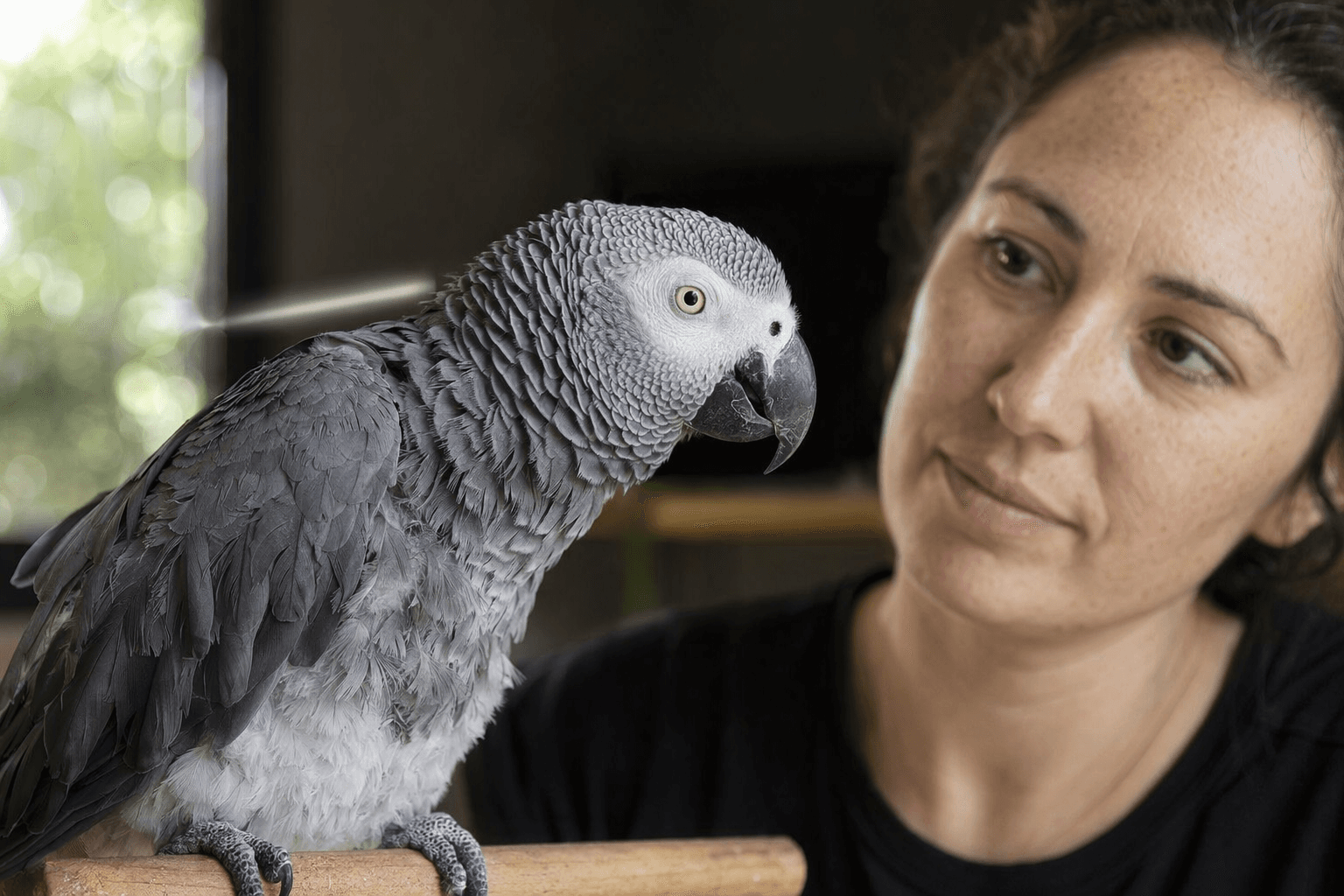
A parrot rarely communicates in one neat human-style expression. It uses posture, feathers, eyes, beak, and voice together, which is why a “friendly” lunge, a sudden freeze, or a burst of noise can mean very different things depending on the rest of the body. The fastest way to avoid bites and trust setbacks is to stop reading any single cue in isolation and start reading the full picture.
That matters because parrots are both highly vocal and highly visual. They use calls to protect territory, attract mates, warn of danger, and stay connected to their flock, and they also signal with bright plumage, eye contact, and body language. If you treat those signals as random quirks, you will miss the moment your bird is asking for space, asking for play, or quietly telling you something is wrong.
Feathers tell you mood, comfort, and sometimes health
Feathers are one of the clearest places to begin. Soft, settled plumage often goes with relaxation, while a puffed-up bird may simply be resting, warming up, or feeling comfortable enough to let its guard down. But puffing can also show tension or illness, so context matters: look at the eyes, stance, appetite, and voice before you decide what the bird is saying.
Flared feathers, especially when paired with a stiff body, usually mean the bird is not inviting a cuddle. That is the moment to pause, lower your energy, and give the bird room to reset. If feathers look wrong for more than a brief mood change, or if you see feather loss or feather-picking, do not dismiss it as a bad habit. Feather loss and feather-picking are complicated problems and may require blood work, fecal tests, X-rays, and microscopic analysis to sort out diet, parasites, infection, and other causes.
Posture is the difference between welcome and warning
A relaxed parrot generally looks loose in the body, not locked up. A bird that leans in, shifts weight easily, or presents itself with soft movement may be open to interaction, but that is still an invitation to check the rest of the body before reaching. A frozen bird is different. Stillness can look calm from across the room, but in parrots it can also be the quiet before retreat, fear, or a defensive snap.
This is where owners often misread a “friendly” lunge. What looks like eagerness can be a boundary check, an overexcited advance, or a warning that the bird wants the interaction to change. The safest response is to stop advancing, give the bird a beat to settle, and re-approach only if its body softens. That single pause can prevent a bite and teach the bird that its signals are being respected.
A secure, well-designed cage also matters here because habitat is part of the message. If the environment is stressful, cramped, or boring, you will see more defensive posture and more behavior that looks like bad manners but is really discomfort. The cage is not separate from communication. It is part of the bird’s emotional state.
Eyes and beak often show the turn from curious to overstimulated
Eye pinning is one of the most useful cues to learn, especially in parrots with light-colored eyes where the pupil change is easy to see. Lafeber describes pinning as the pupil dilating in and out when the bird becomes excited. Excited does not always mean happy. It can mean playful, worked up, defensive, or highly focused, so the signal needs to be read with the whole body, not treated as a green light.
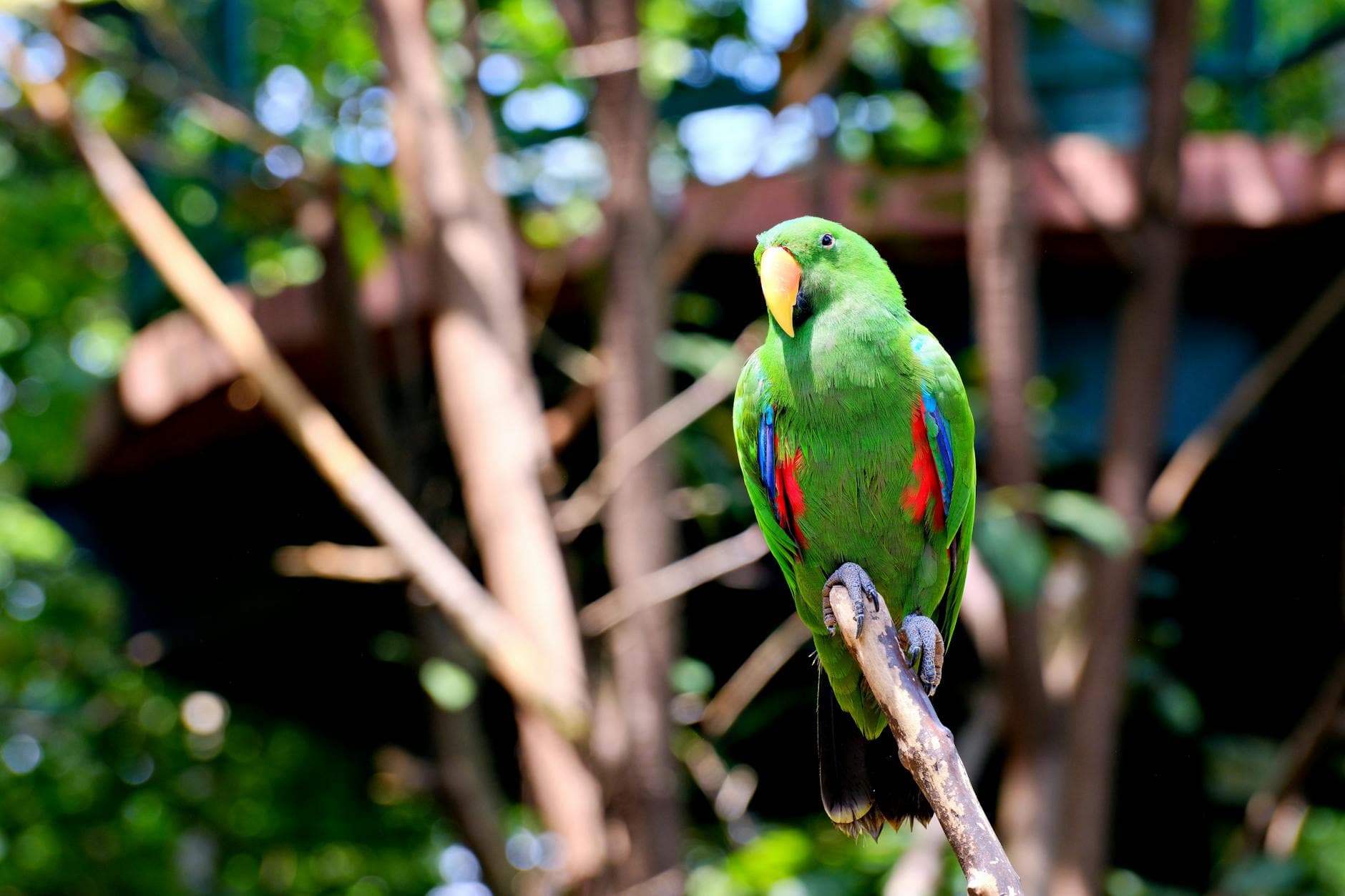
A bird with pinned eyes, a taut body, and a braced stance is usually not in a casual mood. That is the moment to slow your hands, lower the intensity, and avoid crowding the bird with direct contact. Beak cues matter too. A steady beak or light beak grinding can fit a calm state, while a beak paired with stiff posture or forward focus can mean the bird is gearing up for action. The practical rule is simple: the more the body tightens, the more your interaction should soften.
Noise is communication, not background
Parrot noise is often the first thing people notice, and it is easy to mistake every call for attention-seeking. In reality, vocalizations can carry different jobs, from contact calls that hold social connection to sharper sounds that warn of danger. A loud bird is not automatically a badly behaved bird. It may simply be doing what parrots do best: staying in touch with the flock.
What matters is the pattern. A social call with loose feathers and a settled stance is very different from a sharp burst paired with pinned eyes, a raised body, or a hard stare. If the sound is social, answer with calm acknowledgment or appropriate engagement. If it is warning you off, reduce stimulation, give space, and let the bird cool down before trying again. That response builds trust instead of turning a vocal warning into a confrontation.
When body language points to welfare, not just personality
Reading behavior well is also a health skill. VCA notes that parrots often hide weakness, which means a bird may have been sick for days or even weeks before symptoms become obvious. Subtle changes in posture, feathers, appetite, or voice may be the earliest clues you get. That is why a bird that suddenly seems quieter, fluffed longer than usual, or less interactive deserves attention instead of a shrug.
Diet matters too, and badly enough that improper diets are one of the most common causes of sickness in pet birds. If a bird’s body language shifts alongside appetite changes, droppings changes, or lower energy, do not assume it is just mood. Feather problems deserve the same seriousness. When feather loss or feather-picking appears, the next step is not guesswork, but veterinary work-up.
Build a response routine that matches the signal
The most useful habit you can build is a simple pause before you touch, talk louder, or assume the bird is inviting more. If feathers are relaxed and the posture is loose, proceed gently. If the bird is frozen, pinned, flared, or lunging, back off and let the body settle first. That small adjustment prevents bites, reduces fear, and teaches the bird that communication works.
Enrichment belongs in the same conversation. RSPCA guidance says pet birds cannot really behave as they would in the wild, which is why enrichment is part of giving them a good life, and it specifically says birds need to be able to fly freely every day. The Avian Welfare Coalition has also argued that captive parrots can show high levels of stereotypy and that welfare may improve when owners change the environment and the social setting. In other words, better reading leads to better care, and better care makes the signals easier to read.
A parrot does not need a human face to make itself clear. It needs an owner willing to learn the grammar of feathers, eyes, calls, and posture, then respond in a way the bird can trust. That is where misunderstanding ends and real companionship begins.
This article was produced by Prism’s automated news system from verified source data, official records, and press releases, then run through automated quality and moderation checks before publishing. The system is built and supervised by the people who set the standards it runs under. Read our full AI policy.
Did this article answer your question?