AAV bird owner resources stress regular avian vet checkups
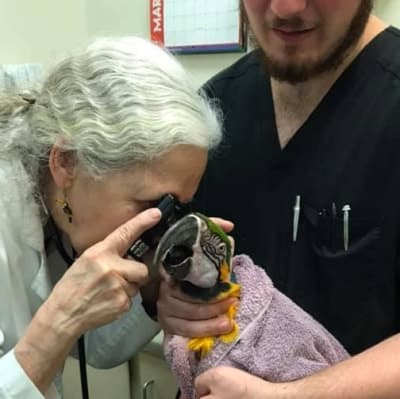
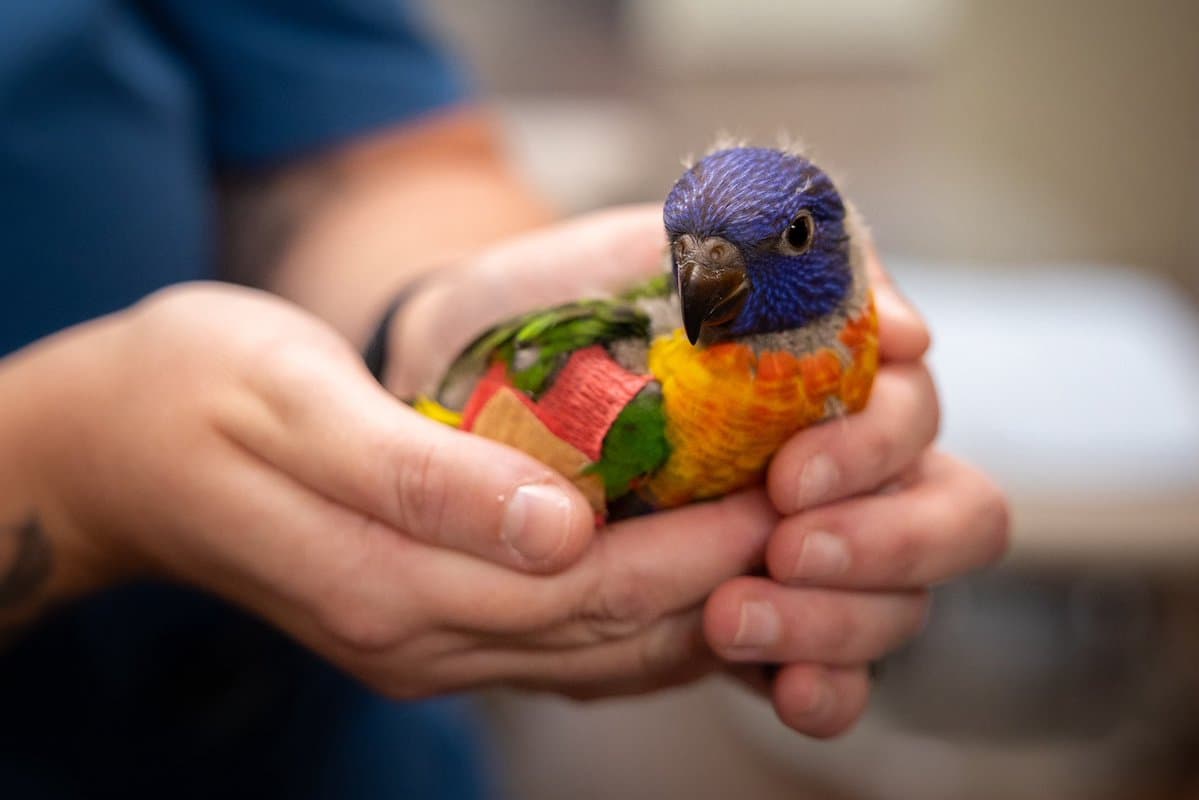
A parrot that chats through nail care may seem healthy, but that can be the trap. The AAV’s bird owner resources push owners toward regular checkups, early warning signs, and qualified avian help.
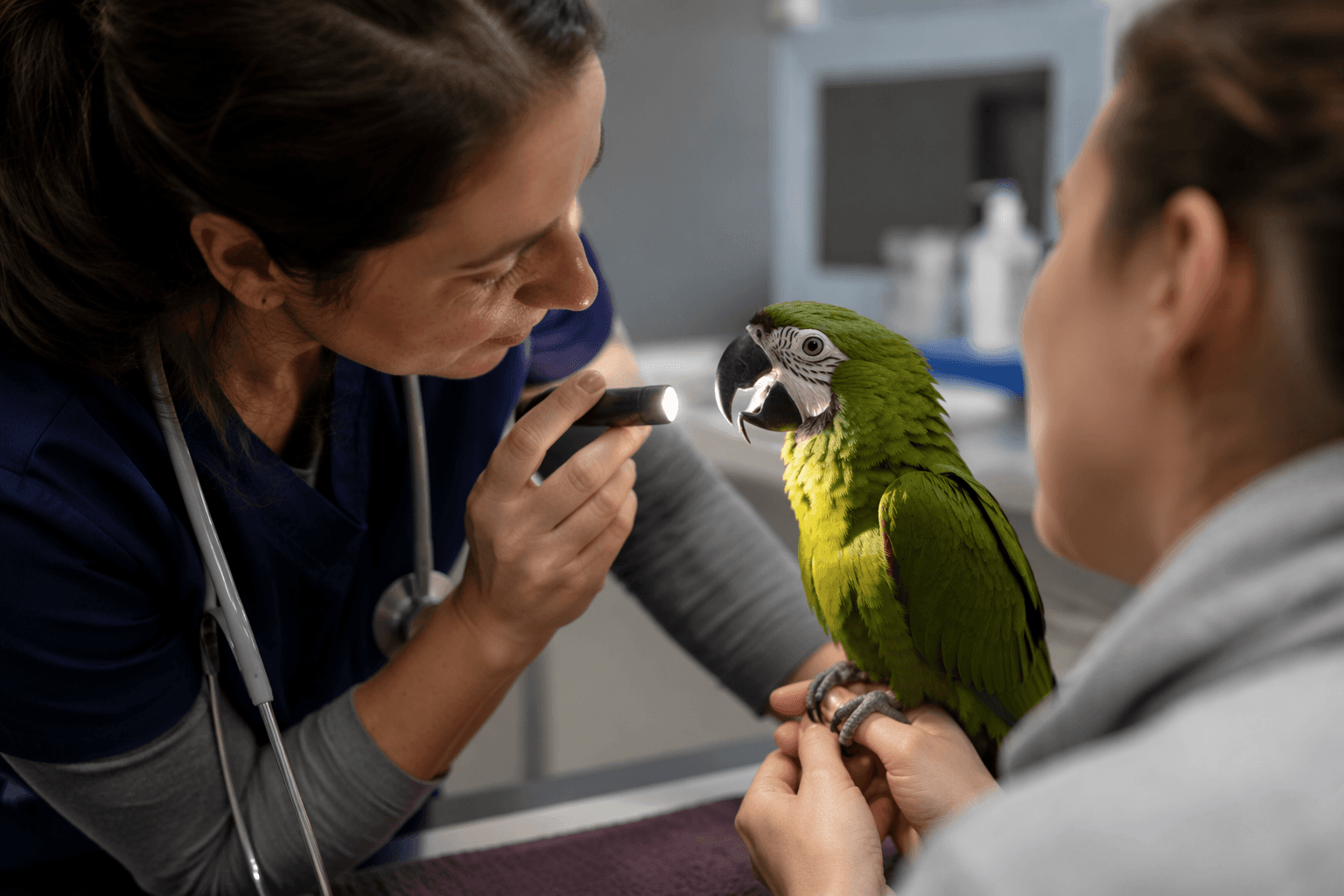
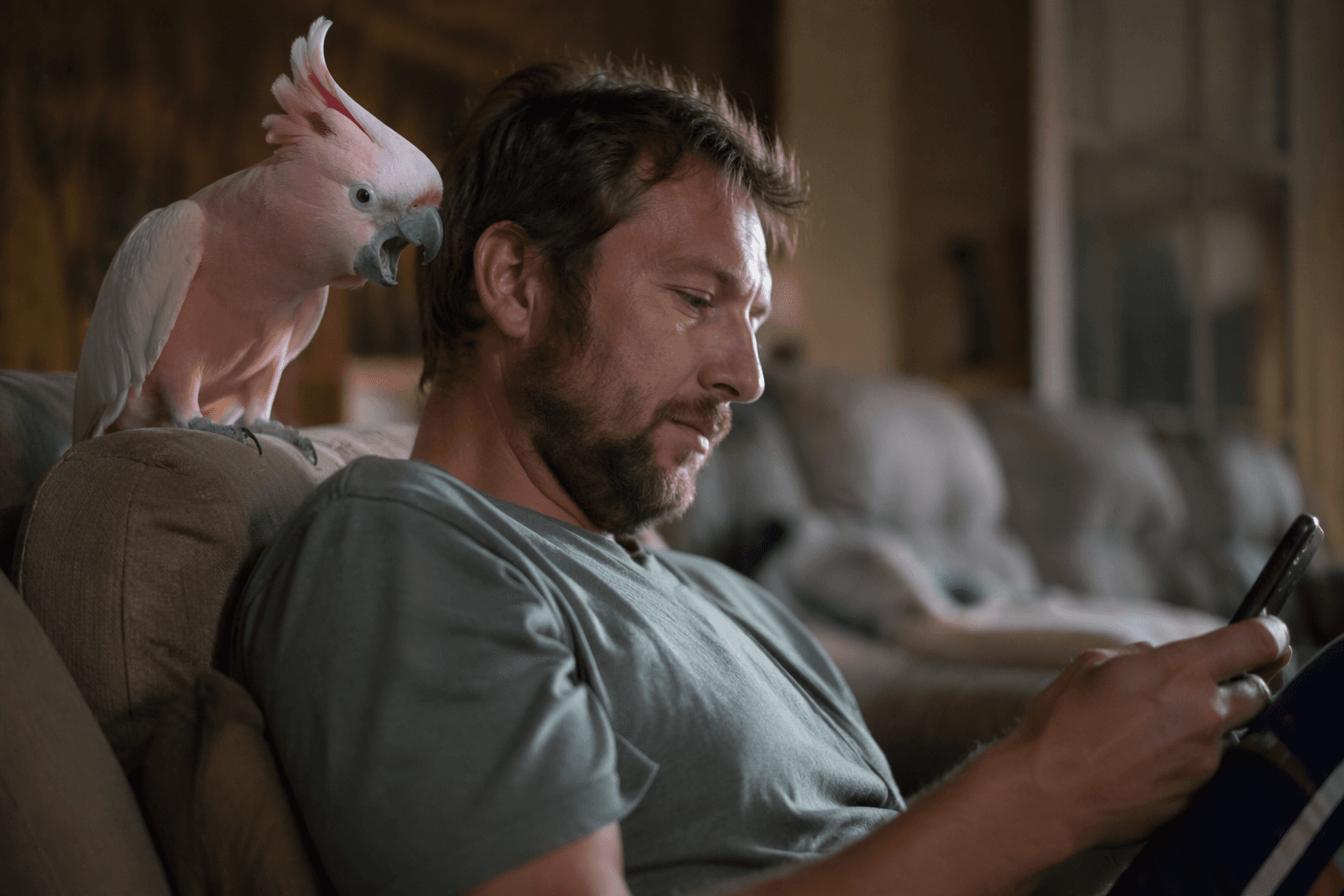
When a parrot turns a family routine into a running commentary, it is easy to assume everything is fine. That is exactly why the Association of Avian Veterinarians’ bird owner resources matter: birds are good at masking trouble, and the safest care decisions often happen before anything looks urgent. The AAV’s message is straightforward, regular checkups with an avian veterinarian are part of how companion birds stay healthy, not a bonus reserved for emergencies.
Why the AAV resource page matters
The AAV frames bird ownership around access to expert help, not guesswork. Its mission is to advance and promote avian health, welfare, and conservation through education, advocacy, and science, and the Bird Owner Resources page turns that philosophy into something practical for households. Instead of leaving owners to sort through random advice, the page points them toward a relationship with an avian veterinarian who can monitor health over time.
That approach fits the reality of parrot care. A bird that is eating, vocal, and interactive can still be hiding a problem, which is why waiting for obvious symptoms is often too late. The resource page helps owners treat diet, housing, enrichment, behavior, and emergencies as connected parts of the same care plan, not as separate internet searches.
What regular checkups are doing for your bird
The AAV recommends regular checkups for companion birds so they can live a full, healthy life. That recommendation is more than a reminder to “go to the vet sometime.” It is a call to build a baseline, catch changes early, and keep a professional eye on a species that often does not advertise illness.
Independent veterinary references back up that logic. Merck Veterinary Manual notes that birds are prey animals and commonly hide sickness. VCA Animal Hospitals says newly acquired birds should be examined within the first couple of days after purchase or adoption, then receive routine annual veterinary exams. Some veterinarians recommend checkups twice a year, especially when earlier detection of potentially life-threatening disease matters.
For parrot owners, that means the best time to find an avian vet is before a bird is fluffed up on the cage floor. A steady exam schedule gives the clinician a chance to spot subtle weight changes, feather issues, or behavior shifts that may never be obvious at home.
What to do today, before a crisis
If you are building or resetting your bird care routine, the highest-value steps are simple and concrete:
- Schedule a wellness exam with an avian veterinarian, even if your bird seems bright and active.
- If your bird is newly acquired, arrange an exam within the first couple of days after purchase or adoption.
- Watch for small changes in appetite, droppings, posture, vocalizing, and activity, because parrots often conceal illness.
- Keep a trusted avian veterinarian on hand before you need emergency care.
- Use reliable education resources when you are making choices about food, housing, or enrichment.
Those steps matter because they move the owner from reaction to prevention. A bird owner who already knows where to go for expert help is not starting from zero when something changes.
The AAV’s owner tools are built for real households
The Bird Owner Resources page is only one piece of a much larger education system. The AAV’s Pet Bird Care Brochure Series includes species-specific materials for amazons, budgies, canaries and other finches, cockatiels, cockatoos, conures, eclectus, grey parrots, lories, lovebirds, macaws, and quakers. That list tells you something important about the organization’s priorities: care is not treated as one-size-fits-all.
The AAV also says its Publications Library includes client education brochures in PDF format, which makes the material easy to keep on a phone or print for quick reference. For owners who want deeper background, the organization’s Resources area includes the Journal of Avian Medicine and Surgery, an online education portal with a growing catalog of more than 50 courses, and a Conference Proceedings Library with proceedings dating back to 1982. That is a long-running professional knowledge base behind the simpler message on the owner page.
Why the research side matters to the bird in your home
The prevention mindset is not happening in a vacuum. The AAV says its Avian Health Grants program has provided more than $575,000 in avian research funding since 1982. That investment helps explain why owner-facing advice on regular exams and early detection has weight behind it: the education is tied to research and clinical practice, not just good intentions.
In practical terms, that means the same network that supports conferences, proceedings, brochures, and online courses also supports the idea that small daily observations matter. If your parrot seems off, the goal is not to wait and hope the issue announces itself. The goal is to use a qualified avian veterinarian, the kind of resource the AAV keeps pointing owners toward, before the situation turns from routine to urgent.
A better rhythm for bird care
A parrot that talks back during a nail trim, steals the spotlight at dinner, or turns a quiet room into a one-bird performance can feel indestructible. The AAV’s bird owner resources push against that illusion in the most useful way possible: by making prevention, regular exams, and early recognition part of normal bird keeping. That is the real bridge between the playful bird in your home and the veterinary care that keeps that personality in place.
This article was produced by Prism’s automated news system from verified source data, official records, and press releases, then run through automated quality and moderation checks before publishing. The system is built and supervised by the people who set the standards it runs under. Read our full AI policy.
Know something we missed? Have a correction or additional information?
Submit a Tip