Australia Zoo hospital treats young lorikeet with fractured wing, bone disease
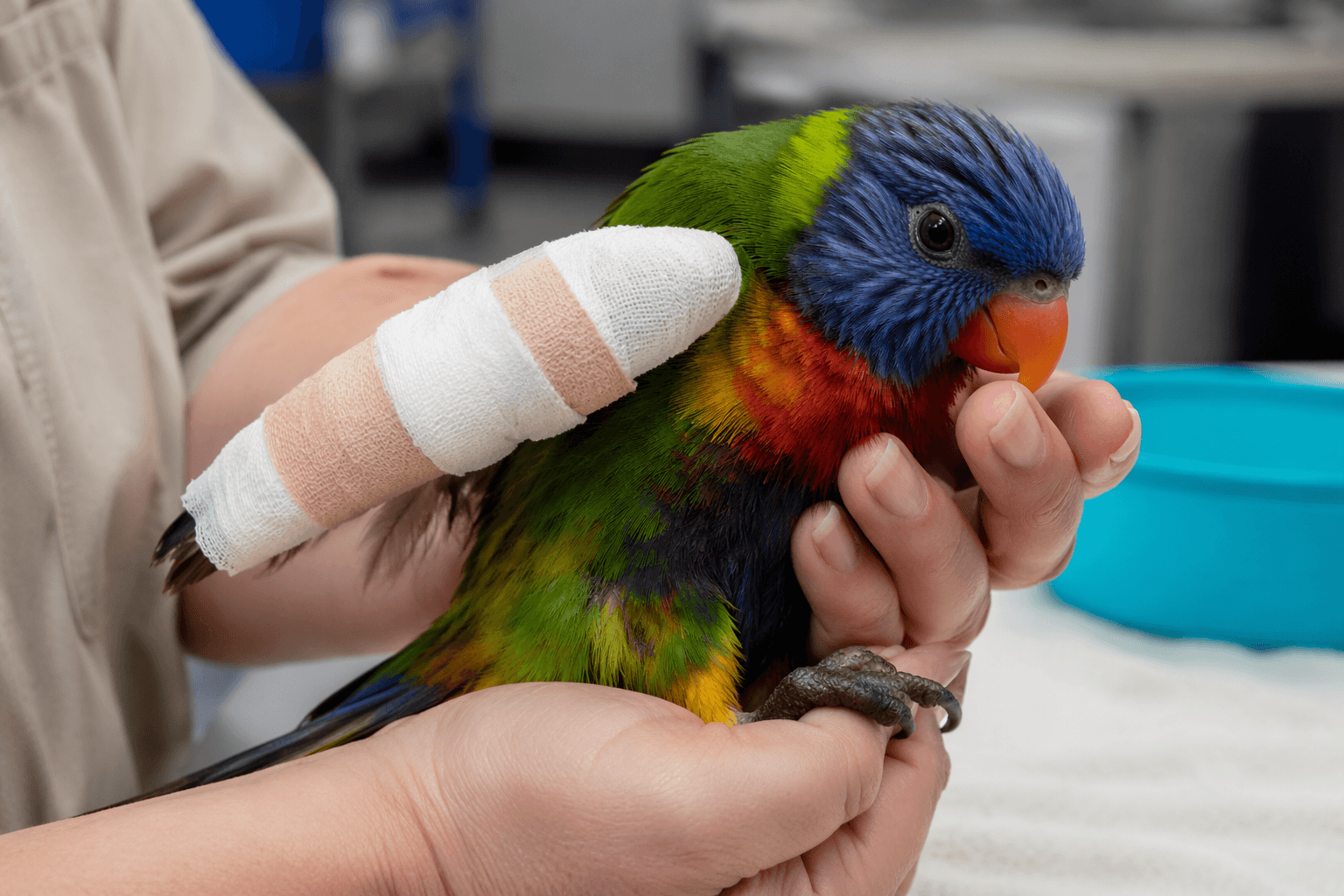
Peter, a young rainbow lorikeet, arrived with a fractured wing and metabolic bone disease, then moved into rehab with a dedicated carer.
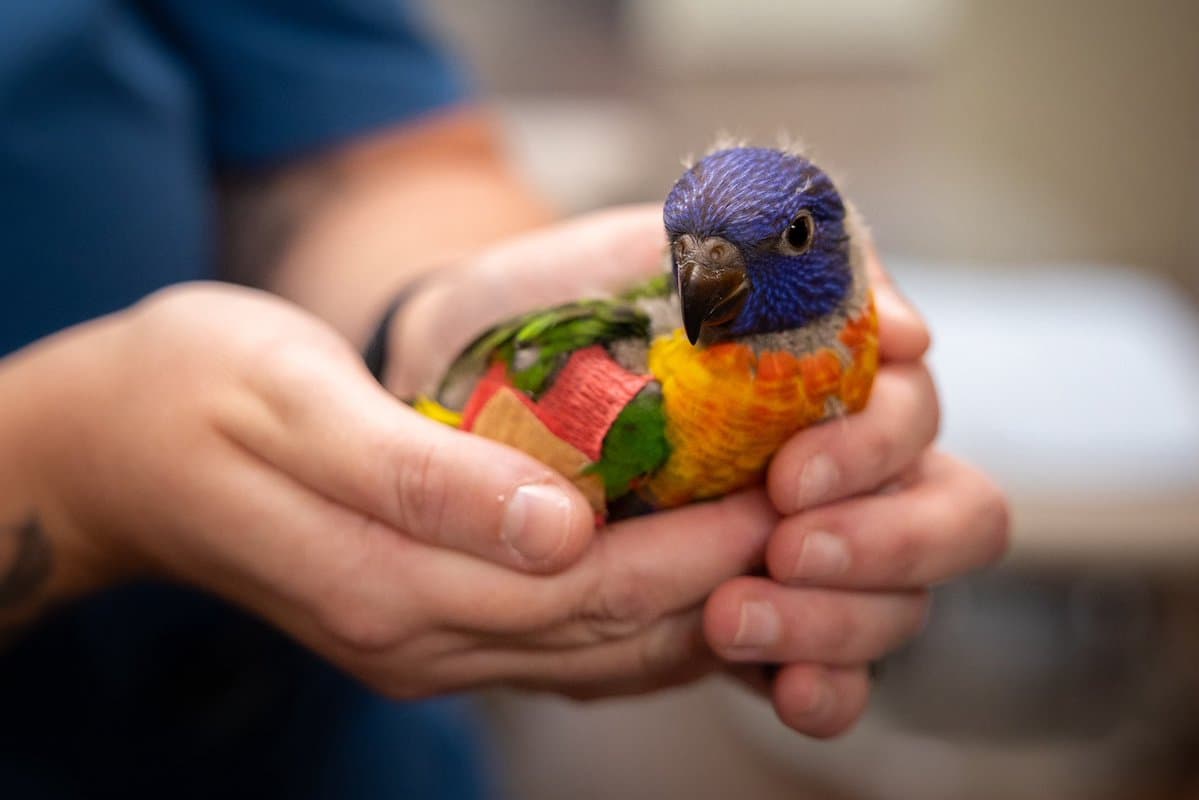
Peter, a young rainbow lorikeet, arrived at Australia Zoo Wildlife Hospital in Beerwah with a fractured wing and metabolic bone disease. He has been stabilized and is now in rehabilitation with a dedicated carer. For parrot keepers, that is the part that stings: injuries like this often arrive after a long stretch of preventable problems, especially poor diet and weak UVB access, long before a bird ever hits the hospital table.
Australia Zoo Wildlife Hospital says it treats about 9,000 to 10,000 animals over a 12-month period and has taken in more than 136,000 native animals since it opened in 2004. Wildlife Warriors says avian patients account for 43% of admissions, and the rescue unit is on the road seven days a week answering wildlife emergencies. Rainbow lorikeets are widespread in eastern Australia and are listed as Least Concern, but they are also among the most common bird patients moving through the hospital.
Metabolic bone disease does not usually announce itself with one dramatic moment. A bird that is standing off, gripping perches weakly, landing clumsily, favoring one side, or holding a wing differently is already telling you something is wrong. In a companion parrot, the usual culprits are painfully ordinary: a seed-heavy diet, too little calcium, and no real UVB exposure. By the time the bird fractures a wing, the bones have often been thinning for a while.
Wildlife Health Australia says lorikeet paralysis syndrome is another seasonal threat, mainly affecting rainbow lorikeets in northern New South Wales and southern Queensland. The cause is still unknown, but an environmental toxin is considered most likely. Its fact sheet says timely supportive care gives many affected lorikeets a fair to good prognosis, which is exactly why fast action matters when a bird suddenly cannot perch, climb, or fly normally.
Australia Zoo Wildlife Hospital was opened in 2004, inspired by Lyn Irwin, and Wildlife Warriors was established in 2002 by Steve and Terri Irwin to help protect injured, threatened, and endangered wildlife. Peter’s case fits the same rescue pattern the hospital sees every day: a bird comes in broken, gets stabilized, and then gets the slow, careful work that gives a wing and a body a second chance.
This article was produced by Prism’s automated news system from verified source data, official records, and press releases, then run through automated quality and moderation checks before publishing. The system is built and supervised by the people who set the standards it runs under. Read our full AI policy.
Know something we missed? Have a correction or additional information?
Submit a Tip