Phoenix Landing guides parrot owners on care, nutrition, and safety
Phoenix Landing turns parrot care into one clear map: health checks, cage setup, food, enrichment and lost-bird steps before a small mistake becomes an emergency.
A parrot can turn a quiet kitchen into a stage in seconds, then just as quickly turn one missed check into a real problem. That is why Phoenix Landing Foundation’s care page works so well as the first bookmark for a new bird home, because it gathers the panic points that actually trip people up, from diet and cage size to escape recovery and basic health monitoring.
The one-stop hub for the first year with a parrot
Phoenix Landing is a volunteer 501(c)(3) parrot welfare organization serving Maryland, Washington, D.C., Virginia, North Carolina, and Northeast Florida through its adoption program. The group says it was founded in 2000, and its adoption center opened in 2010 in the mountains of North Carolina, about a half hour outside Asheville. At any given time, it has roughly 30 to 40 adoptable birds at the center and usually 100 or more in foster homes, which gives the site real-world weight when it talks about what companion birds need.
That is also why the page is organized the way it is. Instead of treating care as one giant blur, Phoenix Landing breaks it into the categories that shape daily life with parrots: safety and health, cages, food and nutrition, behavior and training, enrichment, and what to do if a bird is lost or flies off. For a new owner, that structure is the point. It sends you to the right section when a bird is chewing a cord, skipping breakfast, refusing a hand, or vanishing through an open door.
Start with health and safety before problems snowball
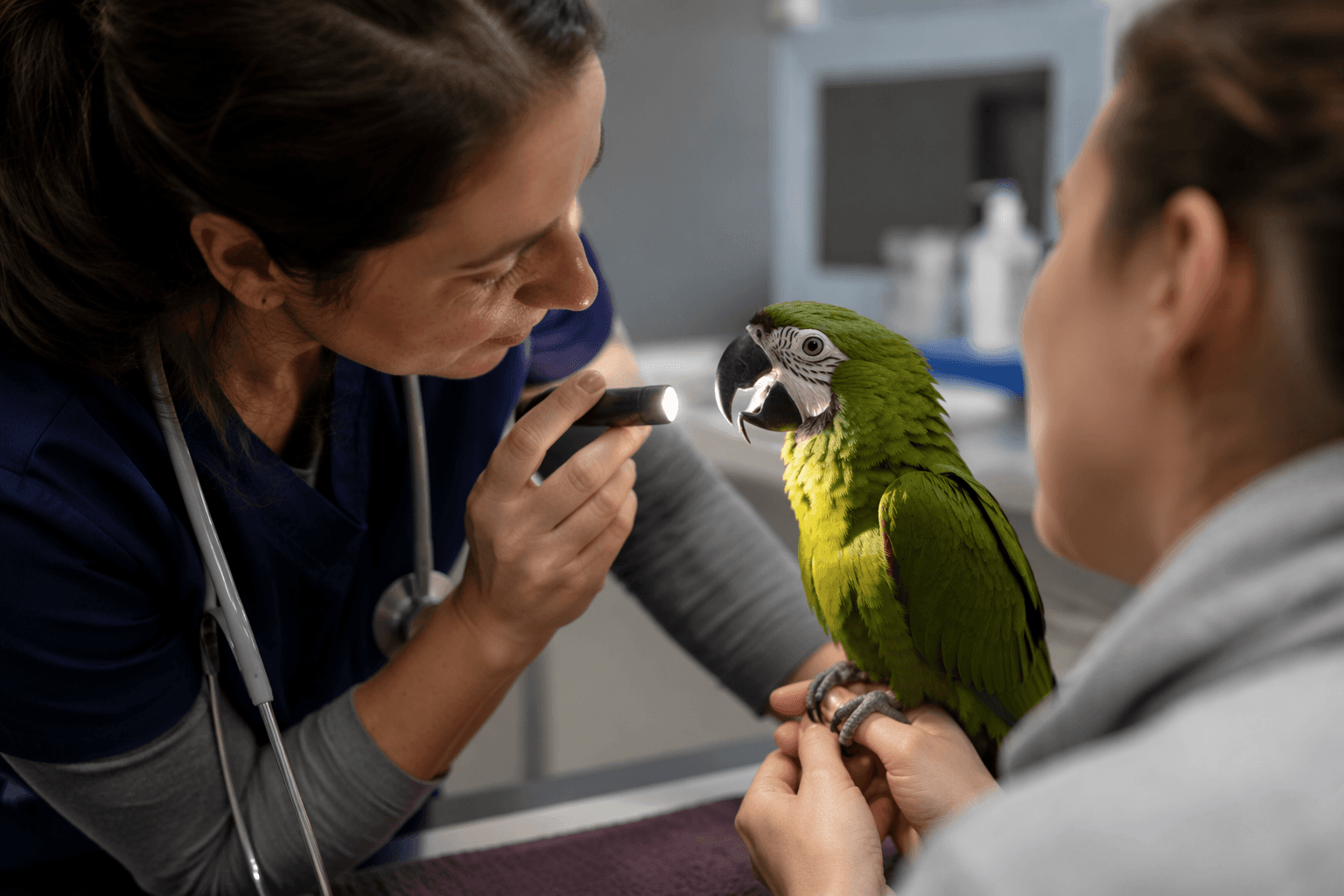
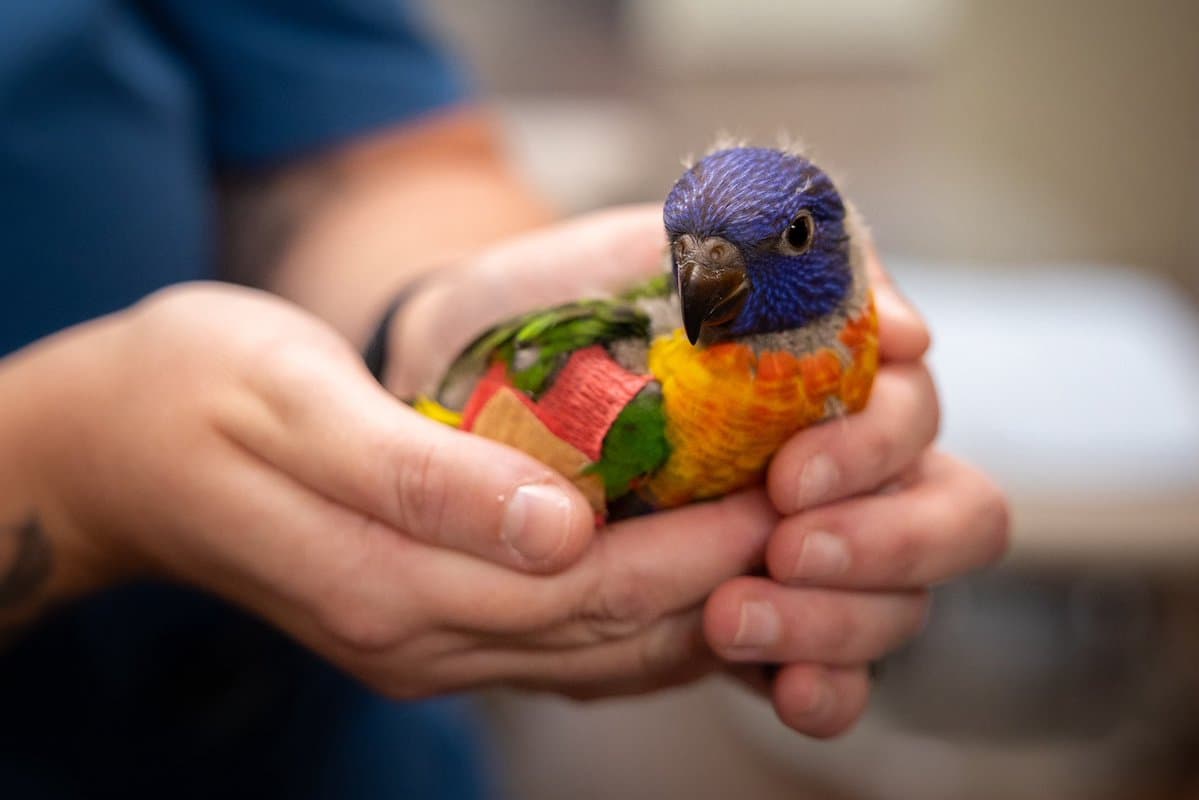
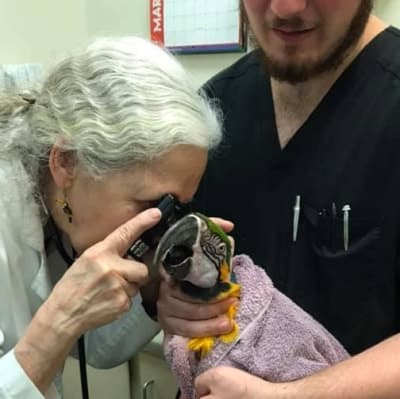
The health guidance is built around one simple habit: weigh the bird every week on a gram scale. Phoenix Landing says a sudden loss of more than 10% or even gradual weight loss can signal a problem, which makes weighing one of the fastest ways to spot trouble before it becomes an emergency. That is the kind of check that belongs on the refrigerator door, because parrots are skilled at hiding illness until they are already sick.
The safety guidance matters for the same reason. The Centers for Disease Control and Prevention says psittacosis is most commonly associated with pet birds such as parrots and cockatiels, and it spreads when people inhale dust containing dried bird secretions or droppings. That puts ordinary cleaning, hygiene, and daily observation into the same category as cage setup and feeding. Phoenix Landing’s care model treats prevention as part of normal birdkeeping, not as an extra chore for later.
When you need a fast practical answer, this is the section to open first. If a bird seems off, the health page gives you the monitor-first mindset, while the safety page adds the day-to-day precautions that keep a small issue from becoming a bigger one.
Use the cage section as a home-design guide, not a shopping list
Phoenix Landing’s cage guidance is blunt: bigger is always better. The organization ties that advice to the biology of parrots, noting that they evolved to fly miles, so no cage in a home is too large. That framing matters because too many first-time owners think of a cage as a container, when in practice it is a bird’s home base, sleep space, and daily work area.
The practical takeaway is to think beyond the minimum footprint. Spacing, perch placement, toys, and sleep all shape comfort and behavior, so the cage section becomes the place to check before you buy accessories that look appealing but do not help the bird live well. For someone setting up a first cage, this is the section that answers the real question: does this room-sized decision actually fit a bird that was built to fly?
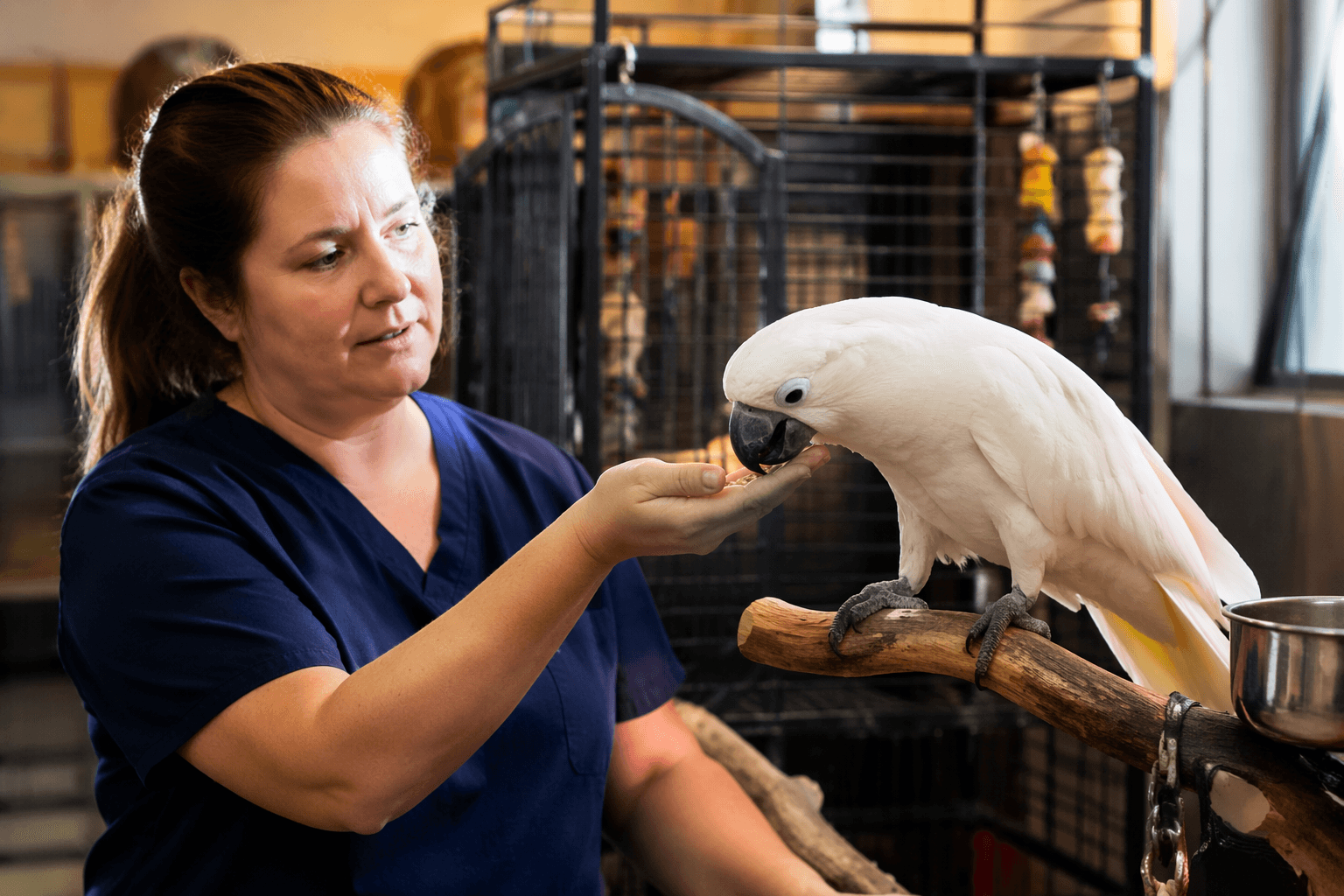
Treat food as the foundation, not an afterthought
Phoenix Landing’s food and nutrition guidance is built around freshness and variety. The organization says nutrients are most available when food is fresh and whole, and it recommends organic when possible; it also says variety is the key and is essential for both physical and mental health and enrichment. That is a useful corrective for anyone who is tempted to rely on one product, one mix, or one bowl pattern and call the diet finished.
The nutrition section matters because diet is where small mistakes become long-term problems. A good feeding plan is not just about calories, it is about giving the bird the broad nutritional base it needs before vet visits become the only time anyone notices a gap. If you are deciding what to serve, this is the page that keeps the focus on whole foods, not convenience alone.
Behavior, training, and enrichment belong together
Phoenix Landing groups behavior and training with enrichment for a reason. Training is not just about tricks, it is about communication, trust, and making it easier for the bird to cooperate with everyday care tasks. Enrichment and foraging are treated as essential, not optional, because parrots are intelligent, active animals that need mental stimulation as much as physical space.
That view lines up with the broader bird-care world, where avian veterinarians and bird-care specialists consistently point to foraging and enrichment as part of quality of life in captivity. For a parrot owner, that means the right section to use is not the one that promises flashy performance, but the one that helps a bird stay busy, engaged, and less likely to develop boredom-related behavior problems. When a bird starts shredding, calling, or pacing, this is where the practical answers live.
Keep the lost-bird page close before you ever need it
The lost-bird guidance is one of the most important parts of the page because many companion parrots are escape artists. Phoenix Landing recommends contacting animal control, humane societies, bird clubs, rescue centers, veterinarians, pet stores, zoos, police, and wildlife agencies, then alerting postal carriers and neighbors as well. It also suggests using familiar sounds or contact calls to try to draw the bird back.
That is the section to open the moment a door, window, or harness mistake turns into a missing-bird emergency. The guidance is built for speed and reach, which is exactly what lost-bird recovery demands. It is also a reminder that parrot care does not stop at the front door, because a bird that flies off needs a community response, not just a worried search from the yard.
Phoenix Landing’s broader mission explains why the page feels so complete. The organization says its objectives include helping veterinary students interested in avian medicine, sponsoring research and conservation for wild parrots, and advocating standards of care for birds. That is the same logic running through the care page itself: start with safety, build the habitat correctly, feed for health, and keep a recovery plan ready before the bird ever tests the open sky.
This article was produced by Prism’s automated news system from verified source data, official records, and press releases, then run through automated quality and moderation checks before publishing. The system is built and supervised by the people who set the standards it runs under. Read our full AI policy.
Know something we missed? Have a correction or additional information?
Submit a Tip