Austin bird rescuer uses viral videos to teach better parrot care
Jen Peterson’s viral rescue videos turn one Austin parrot account into a practical lesson in vet care, trust-building, and what long-lived birds need at every age.
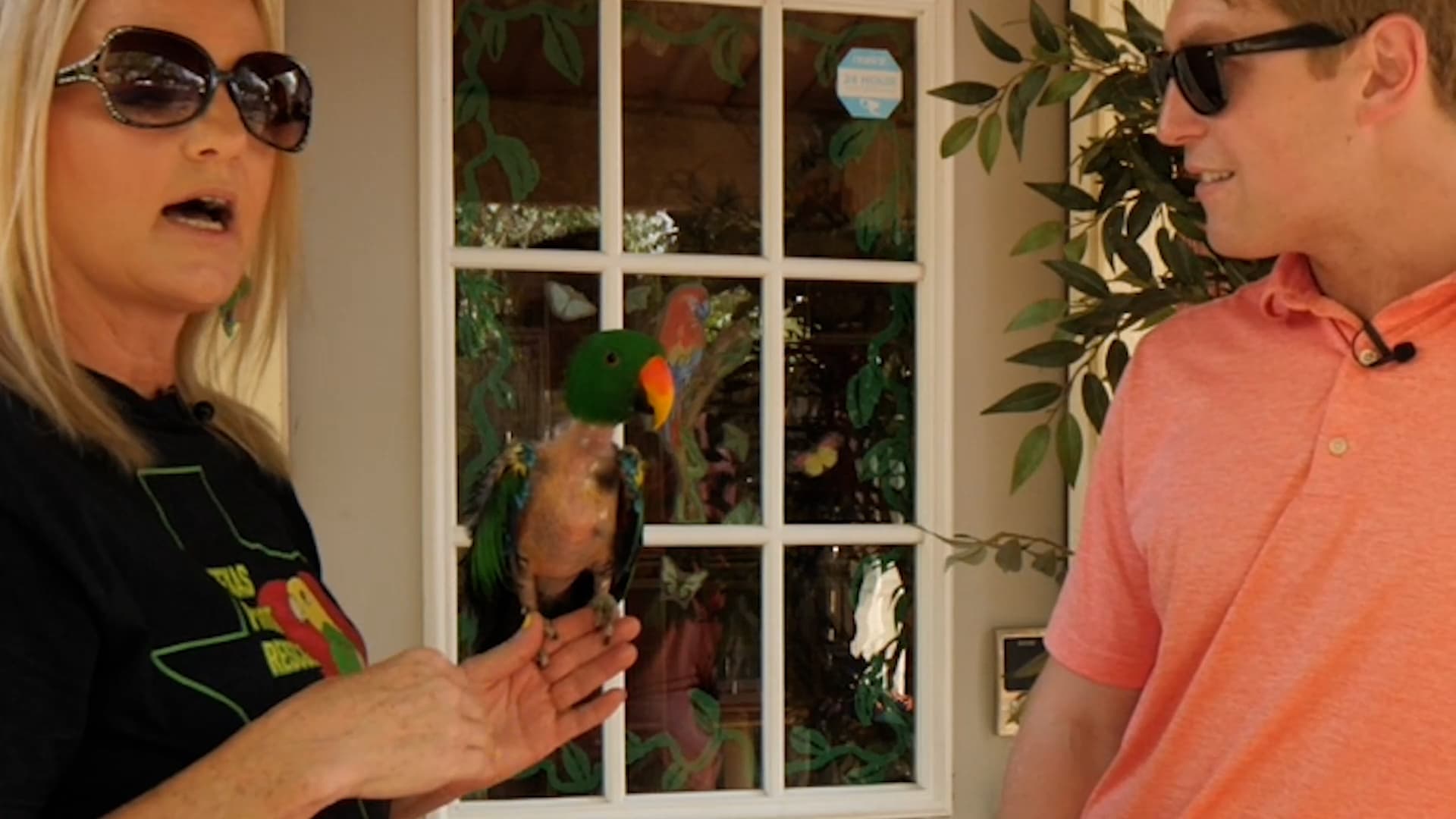
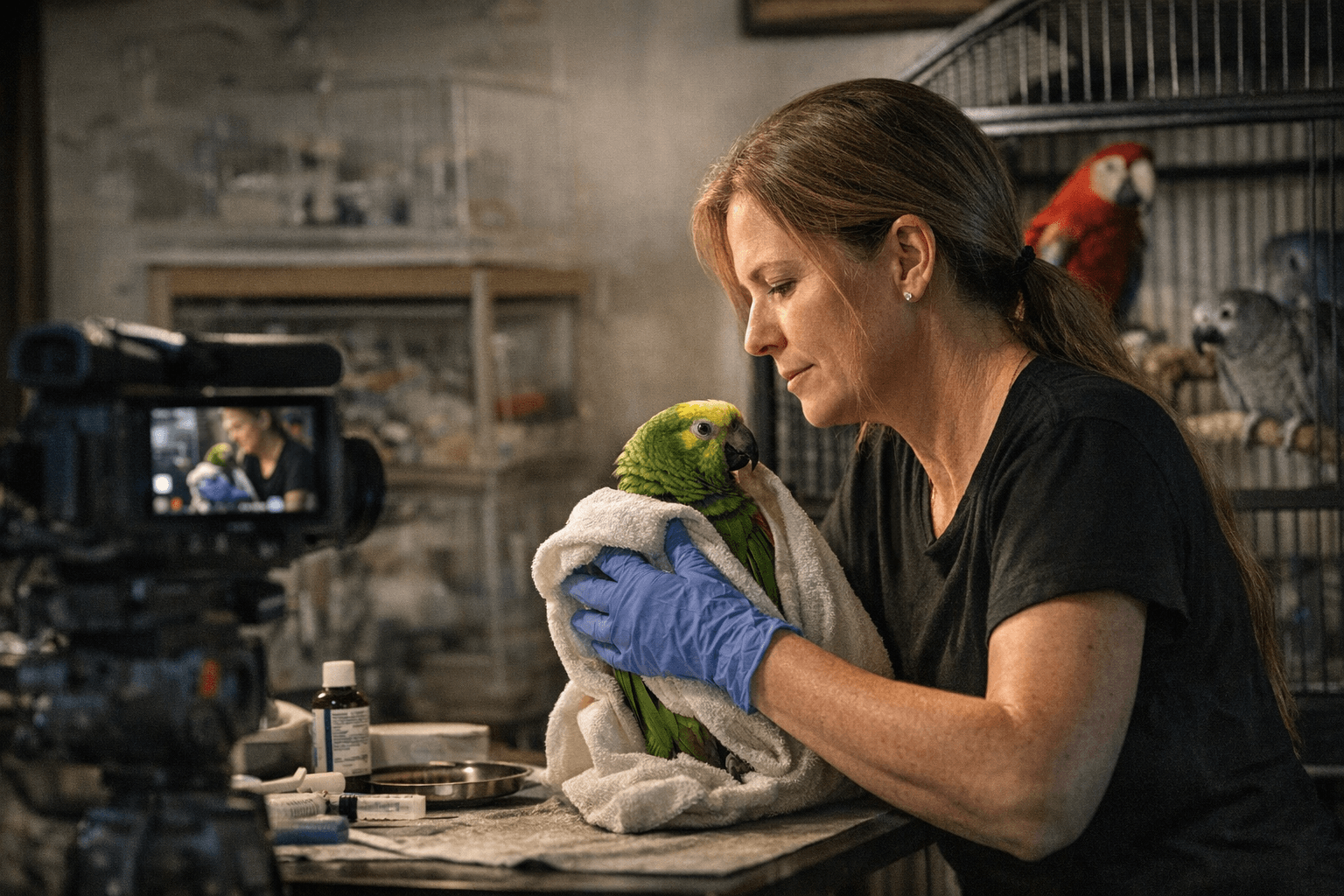
Jen Peterson has made parrot rescue feel immediate, personal, and impossible to scroll past. In Austin, Texas, she runs The Green Bird Brigade, a social platform built around bird rescue, rehabilitation, and education, and WGN-TV says her audience now tops more than a million followers across platforms. That reach matters because the birds she shows are not abstract case studies. They are real companion parrots with medical histories, quirks, and the kind of emotional baggage that comes from neglect, rehoming, or years in the wrong environment.
The power of her videos is that they make rescue look like daily care, not a one-time save. Peterson documents routines, medical journeys, and the slow, uneven work of earning a bird’s trust again. The appeal is not just that the birds are adorable, although they absolutely are; it is that viewers get to see what responsible parrot ownership actually looks like when it is happening in real time, with all the mess, patience, and repetition that come with it.
That is why the Green Bird Brigade travels so well beyond the rescue crowd. First-time bird owners can recognize the same problems in their own homes: a bird that hides illness, a parrot that acts out after a change in routine, or a companion bird that seems healthy until a vet visit reveals something deeper. Peterson’s content gives those viewers a practical picture of what to watch for, and it does it through birds that feel like individuals rather than content props.
One of the clearest strengths of Peterson’s work is that it turns affection into literacy. Rescue stories can easily stop at the dramatic before-and-after moment, but her videos linger on the care in between. That includes veterinary attention, rehabilitation milestones, and the ordinary tasks that help a bird feel safe enough to eat, play, climb, and eventually bond.
For parrot people, that middle ground is where the real lesson lives. A bird that begins to accept hands, vocalize differently, or relax around new people is not just being cute on camera. It is showing measurable progress in trust and stability, the kind of progress that can determine whether a bird succeeds in a new home or spirals back into fear. Peterson’s audience gets to see those shifts unfold, which makes the educational value of her platform easy to grasp.
The medical side of the story is just as important as the rescue side. The Association of Avian Veterinarians recommends regular checkups for companion birds so they can live full, healthy lives, and the American Veterinary Medical Association notes that pet birds have special veterinary needs throughout their lives. That is not background trivia; it is the foundation of good parrot care.
Birds are famously good at hiding illness, so routine exams matter even when a bird looks fine at home. Peterson’s content helps normalize that reality by showing that rescue is not only about feeding or socializing a bird. It is also about getting the bird in front of an avian veterinarian, following through on medical care, and treating prevention as part of everyday ownership rather than an emergency response.
Age brings another layer of complexity that many owners underestimate. The Association of Avian Veterinarians says it is common to expect larger parrots to live beyond 50 years, but many pet psittacine birds will not actually reach that age. Its senior-parrot guidance also notes that aging birds can face behavior changes, cognitive loss, cardiovascular disease, cataracts, cancer, and metabolic disease.
That is a sobering list, but it is also a useful reminder. Long-lived birds are not simply smaller dogs with feathers. They need ongoing observation, specialized diets, enrichment that changes as they age, and consistent veterinary support. Rescue accounts like The Green Bird Brigade help make that reality visible long before an owner is dealing with a gray-faced senior bird or a sudden decline they did not expect.
Peterson’s platform also shows why rescue education can be so effective when it is grounded in personality. WGN’s separate clip from April 7 identified Gideon, a 5-year-old Eclectus parrot with perfect pitch, and that kind of detail sticks. A bird with a memorable talent, a distinct voice, or a funny habit is easier for audiences to connect with, and that connection can open the door to better husbandry and more thoughtful adoption decisions.
That matters because public attention is not just vanity metrics in this corner of the bird world. A million followers across platforms means one rescuer can reach people who may never have visited a bird club, a vet office, or a formal avian care site. If the hook is Gideon’s perfect pitch, the lesson that follows can be diet, enrichment, cage setup, or the importance of a checkup before problems escalate.
Texas adds another layer to the rescue picture. Texas Parks and Wildlife Department says rehabilitators who handle migratory birds may need state and federal permits, which shows how regulated bird work can be in the state. Austin has an active wildlife and animal rescue scene, but many organizations focus on wild birds or other species, which makes Peterson’s companion-parrot focus stand out even more.
That distinction is important because not every rescue page is teaching the same thing. A wild-bird rehabilitator may be dealing with migration, release, and permit issues, while a companion-parrot rescuer is often navigating human behavior, relinquishment, medical neglect, and adoption readiness. The Green Bird Brigade lives at that intersection of rescue, rehab, and public education, which is why it works as both a service and a story.
What viewers can take from Peterson’s example is simple, but it is not easy. Better parrot care is built from habits, not heroics.
- Schedule regular avian checkups, even when a bird seems normal.
- Watch for subtle changes in behavior, appetite, posture, and vocalization.
- Treat enrichment, diet, and trust-building as daily work, not occasional extras.
- Expect older parrots to need more monitoring, not less.
- Remember that rescue birds may need time, consistency, and medical follow-up before they can settle in.
Peterson’s videos succeed because they do not romanticize the work. They show the rescue side of parrots in all its tenderness and inconvenience, and that honesty gives the audience something better than inspiration alone. It gives them a model for what informed, compassionate parrot care looks like when the camera is still rolling and the real work is just beginning.
This article was produced by Prism’s automated news system from verified source data, official records, and press releases, then run through automated quality and moderation checks before publishing. The system is built and supervised by the people who set the standards it runs under. Read our full AI policy.
Did this article answer your question?