Avian Flu Puts Backyard Birds, Pet Parrots at Risk
Indoor parrots are not automatically safe: wild-bird flu can ride in on shoes, hands, cages, and shared tools, turning one sick bird into a household emergency.
The hidden risk inside a bird room
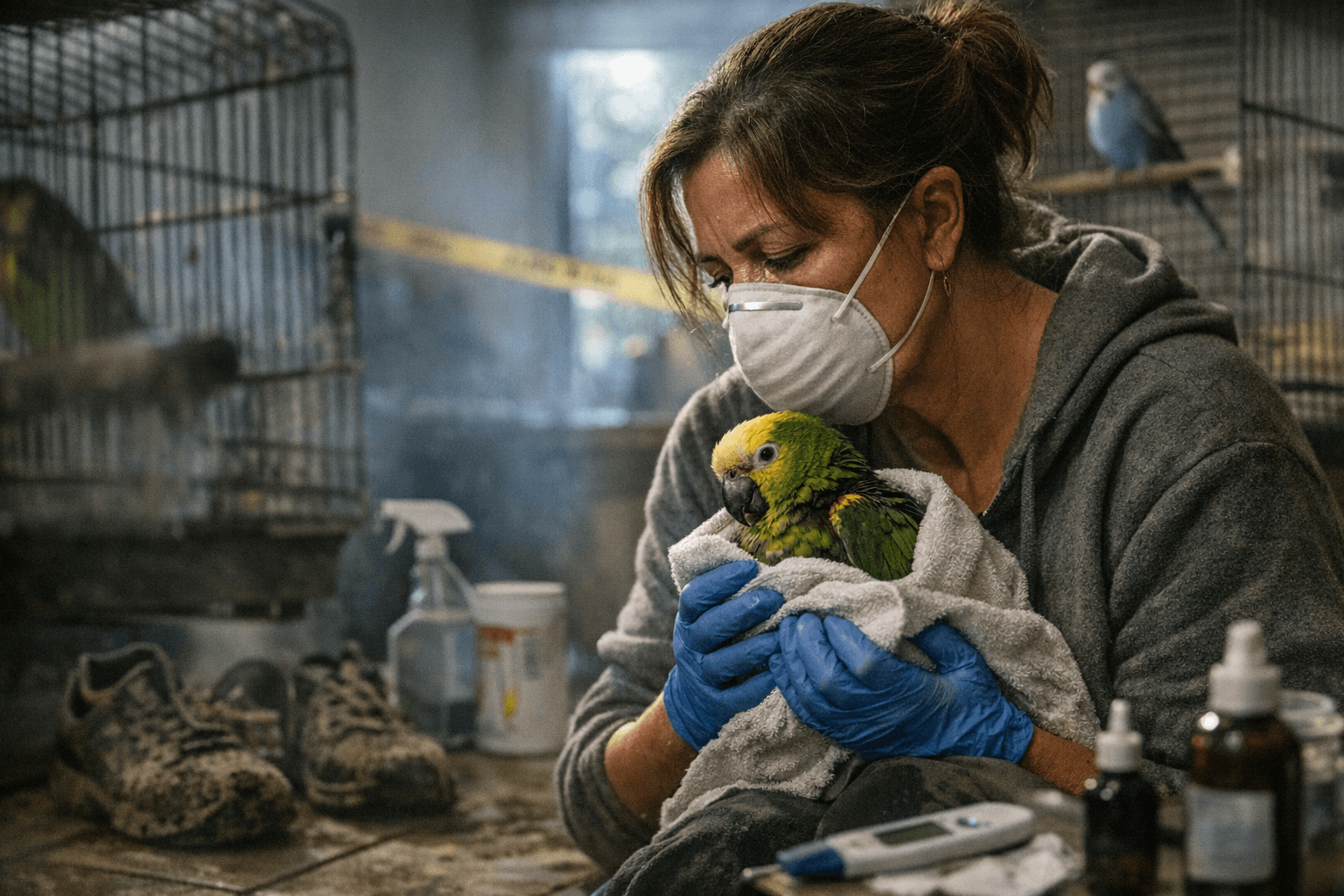
If you keep a parrot, it is easy to think “indoor” means isolated. That assumption is exactly what makes avian flu so unnerving for bird homes: the virus does not need your bird to fly outside to reach the family room. Dr. Michael W. Fox’s warning on avian influenza lands as a household-health alert, not a farm bulletin, because backyard flocks and pet birds can be pulled into the same exposure chain when wild birds, contaminated surfaces, or shared equipment are part of daily life.
The bigger picture is not comforting, but it is clear. The Centers for Disease Control and Prevention says H5 bird flu is widespread in wild birds worldwide and is causing outbreaks in poultry and U.S. dairy cows, with sporadic human cases in dairy and poultry workers. Since 1997, more than 970 human infections with H5N1 bird flu have been reported from 24 countries. That does not mean your parrot is destined to get sick, but it does mean the virus has moved far beyond a single species or setting.
How bird flu gets from wild birds into the home
The most likely route starts outdoors. The American Veterinary Medical Association says avian influenza mainly infects wild aquatic birds such as ducks and geese, plus domestic poultry like chickens and turkeys, but backyard flocks and captive or pet birds with outdoor access can be exposed to infected wild birds or to virus-contaminated surfaces and materials. The CDC says backyard bird flocks can be exposed to wild birds carrying bird flu, and poultry can become very sick and usually die from infection.
That matters in ordinary household routines. A water bowl left outside, a coop near a place where wild birds land, or a hand that moves from an outdoor pen to an indoor cage can become part of the path. The Association of Avian Veterinarians adds a crucial point for parrot homes: indoor parrots are a concern in high-risk outbreak areas when owners keep both backyard poultry and other pet birds. In other words, the danger is not just “outside birds.” It is the chain between outdoor birds and the rest of the house.
Why one bird’s exposure can become everyone’s problem
Biosecurity is not just for commercial farms. In homes with backyard chickens, ducks, or other outdoor birds, poor sanitation can let contamination travel through clothes, shoes, hands, cleaning buckets, cages, carriers, or tools. A bird that never steps outside may still share a human caregiver, a hallway, a wash sink, or a garage space with the flock that does.
That is why this story belongs in the parrot-care lane. A parrot can be protected in a spotless cage and still be vulnerable if the household treats outdoor bird chores and indoor bird care as the same job. The risk rises when birds, equipment, and people cross those boundaries without a strict routine. It drops when the home treats the bird area as its own clean zone.
What to do this week if you keep parrots or backyard birds
The prevention message is practical, not dramatic. Do these things now, before there is a case nearby.
- Keep pet birds away from wild birds and wild-bird droppings.
- Do not let pet parrots have casual contact with backyard poultry.
- Do not share cages, feeders, waterers, towels, scrub brushes, or other equipment between indoor birds and outdoor birds.
- Change clothes and wash hands after handling backyard birds, coop materials, or anything that may have been exposed outdoors.
- Keep feed, water, and bird supplies covered so wild birds cannot access them.
- Clean and disinfect bird areas and tools regularly.
- If you live in an outbreak area, tighten the boundary between the coop, the bird room, and the rest of the house.
Those steps are simple, but they are the difference between a contained setup and a household that lets a virus move room to room.
What illness can look like, and why you should move fast
Avian flu is not a disease where you wait and see. Dr. Fox’s emphasis is early detection, because respiratory and systemic illness can become serious quickly in birds. Parrots also have a nasty habit of hiding illness until they are already quite sick, so any change in behavior deserves attention.
Watch for a bird that is listless, stops eating, breathes differently, fluffs up and stays that way, or simply seems off. A parrot that is quieter than usual, not perching normally, or refusing favorite foods may be telling you more than it can say. The correct move is to contact an avian veterinarian quickly, not to hope the bird bounces back overnight.
Why the cat cases changed the conversation
A recent warning shot came in February 2025, when the CDC reported highly pathogenic avian influenza A(H5N1) infection in two indoor domestic cats in Michigan households linked to dairy workers. The illness was severe, with respiratory and neurologic signs, and the cats had no known direct exposure to affected farms. That suggested household contamination or fomite exposure can matter.
The AVMA later reported that around 130 H5N1 cases had been confirmed in domestic cats, and that cats are especially susceptible to severe disease. For bird owners, the lesson is not about cats alone. It is about how quickly a pathogen can move from the barnyard conversation into ordinary homes once contaminated environments, shared clothing, or household traffic enter the picture.
What to ask your avian vet now
The Association of Avian Veterinarians recommends regular checkups for companion birds and points owners to a Find-a-Vet tool for locating an avian veterinarian. That routine care is not just maintenance. It gives you a baseline for weight, droppings, appetite, and behavior so you can spot a problem early if something changes.
If there are bird flu cases in your area, call your avian vet and ask how they want you to handle outdoor birds, new birds, cleaning routines, and any sick bird in the household. If you keep a parrot alongside a backyard flock, make the vet visit part of the prevention plan, not the last resort. The current outbreak is still mainly a wild-bird and poultry story, but in a house with birds, it is also a daily-life story, and that means your best defense is routine, separation, and speed.
This article was produced by Prism’s automated news system from verified source data, official records, and press releases, then run through automated quality and moderation checks before publishing. The system is built and supervised by the people who set the standards it runs under. Read our full AI policy.
Did this article answer your question?