Avian Center offers personalized parrot behavior and training consultations
A one-hour consult with Chan Quach is built for the messy middle of parrot care, where biting, screaming, or fear is really a trust and routine problem.
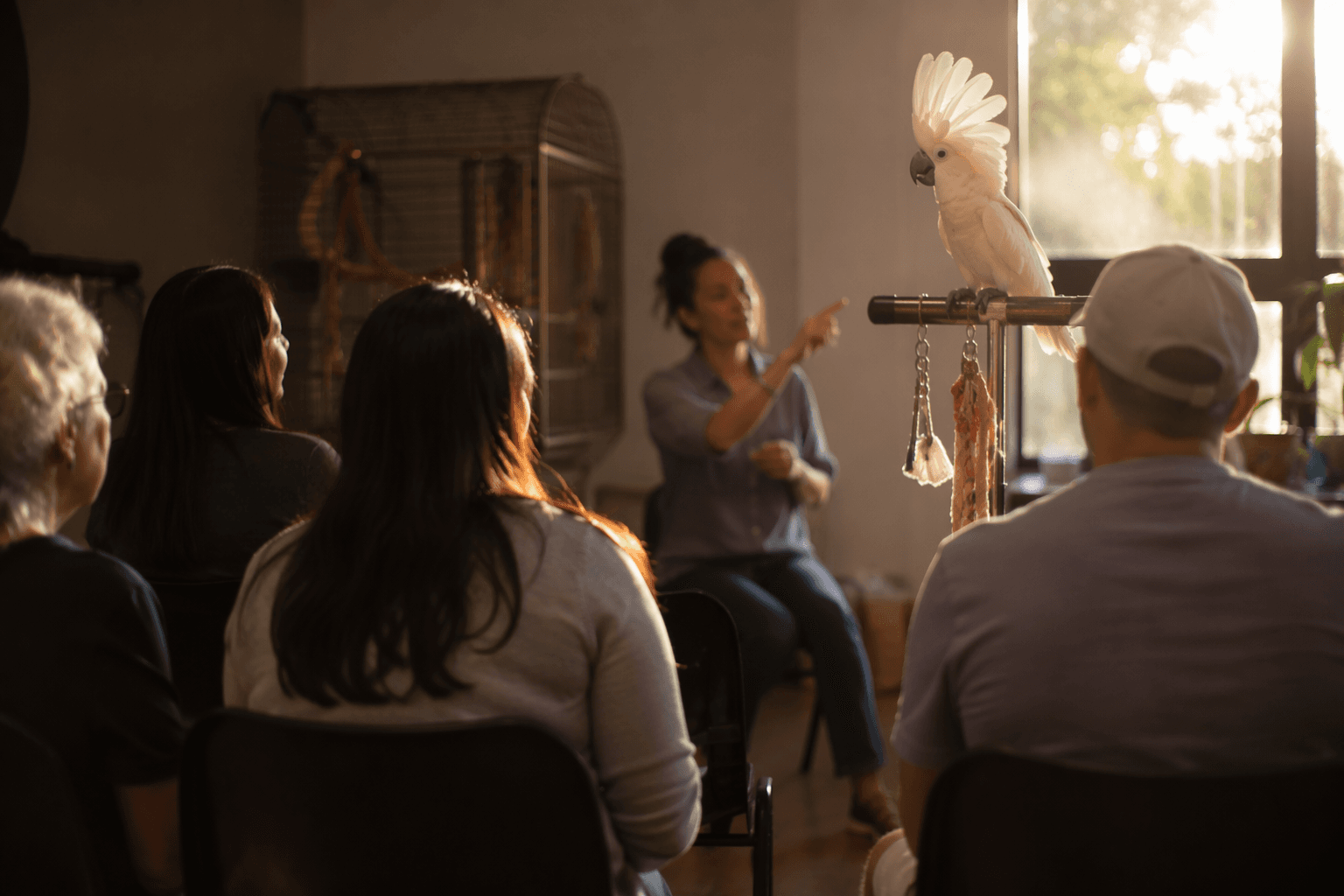
When your parrot’s behavior starts shaping the whole household, generic advice usually falls apart fast. The Avian Center for Enrichment is built for that exact problem: a personalized one-hour consultation with Chan Quach, an avian behavior expert whose work centers on free flight training and bird-human relationships.
Why a personalized consult beats a generic training tip
The center’s services page makes the pitch plain, and it is the right one for parrots. A bird that screams when left alone, refuses to step up, overbonds to one person, or resists carrier training is not giving you a simple yes-or-no obedience issue. Those problems often sit at the intersection of environment, handling, confidence, and routine, which is why a one-size-fits-all script tends to miss the real trigger.
That is where individualized coaching has real value. The Avian Center for Enrichment describes its consultations as practical and tailored, not canned, which matters when the same behavior can mean something different in a newly adopted conure, a long-time Amazon, or a cockatoo that has learned one human is its entire world. The point is not just to stop a behavior. It is to understand what the bird is getting from it and how to change the setup so the household can function again.
What Chan Quach brings to the table
Chan Quach’s about page identifies him as a professional avian behaviorist focused on psittacine and raptor behavior, welfare, training, and free flight. That mix tells you the consultation is not just about correcting problem actions at the surface. It is about shaping a bird’s day-to-day experience so the bird can learn, feel safer, and work with you instead of against you.
His methodology integrates positive reinforcement, nutritional optimization, and species-appropriate husbandry. In plain terms, that means behavior is not treated in isolation. Food, routine, housing, and handling all matter, because a bird that is underfed, under-stimulated, or being managed in a way that clashes with its species needs can become harder to train no matter how many cues you repeat.
The Avian Center for Enrichment says it is designed to enrich the lives of psittacines and raptors, and a flyer describes it as a 501(c)(3) nonprofit dedicated to the welfare, conservation, and protection of all parrot species and birds of prey. That broader mission helps explain why the service reads more like specialist coaching than a quick behavior fix.
The problems that usually deserve professional help
The most common consultation topics in bird care are the ones people try to solve at home for too long. Lafeber’s parrot behavior resources point to biting, screaming, lunging, refusing to step up, cage guarding, plucking, and fear-based behavior as recurring concerns. Those are exactly the kinds of issues where guesswork can make things worse, especially if you keep repeating a handling pattern that the bird already finds threatening.
A professional consult is usually worth it when:
- the bird’s behavior is getting more intense instead of better
- the bird is fine with one person but hostile or terrified with everyone else
- you are seeing repeated lunging, biting, or cage defense around predictable triggers
- carrier training, step-up work, or recall practice keeps breaking down
- the bird seems anxious, shut down, or overdependent rather than simply stubborn
The important part is that the plan should be specific to the bird, the household, and the history behind the behavior. A rescue macaw with a rough past does not need the same handling strategy as a hand-raised cockatiel that has learned to scream for attention.
Where free flight fits, and where it does not
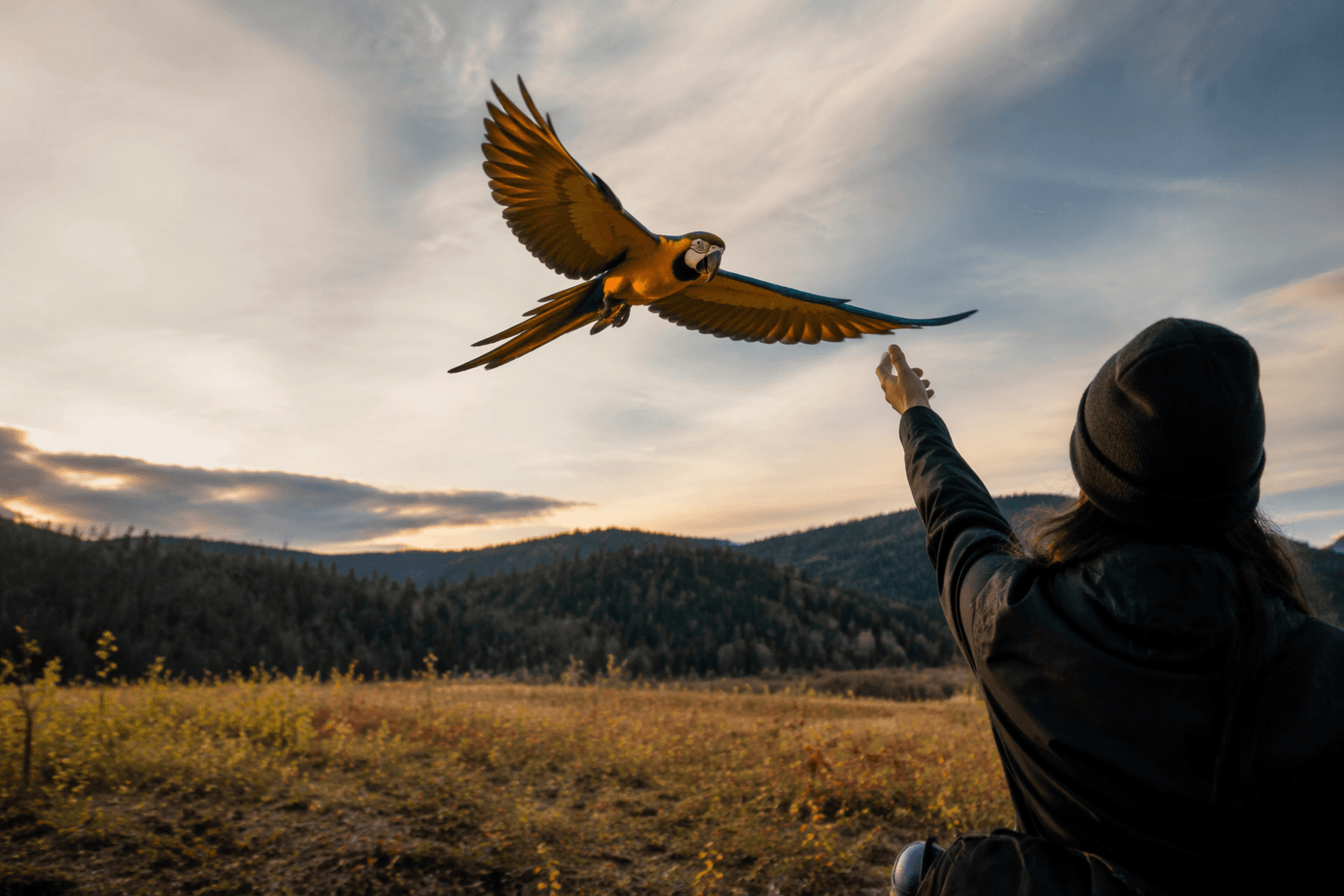
Free flight is part of the center’s expertise, and that matters even for owners who do not plan to fly a bird outdoors. The consultation can help you think through whether flight-based training is appropriate at all, or how flight, recall, confidence, and handling affect one another inside the home. That is a more useful conversation than treating flight as a stunt or a single yes-no decision.
There is also a wider professional conversation behind it. A 2021 peer-reviewed article in the journal Diversity, titled “Parrot Free-Flight as a Conservation Tool,” shows that free flight is discussed not just as a training style, but as part of conservation and welfare thinking. In other words, the topic is serious enough to sit in academic literature, not just in hobbyist debate.
Why this work is getting more visible
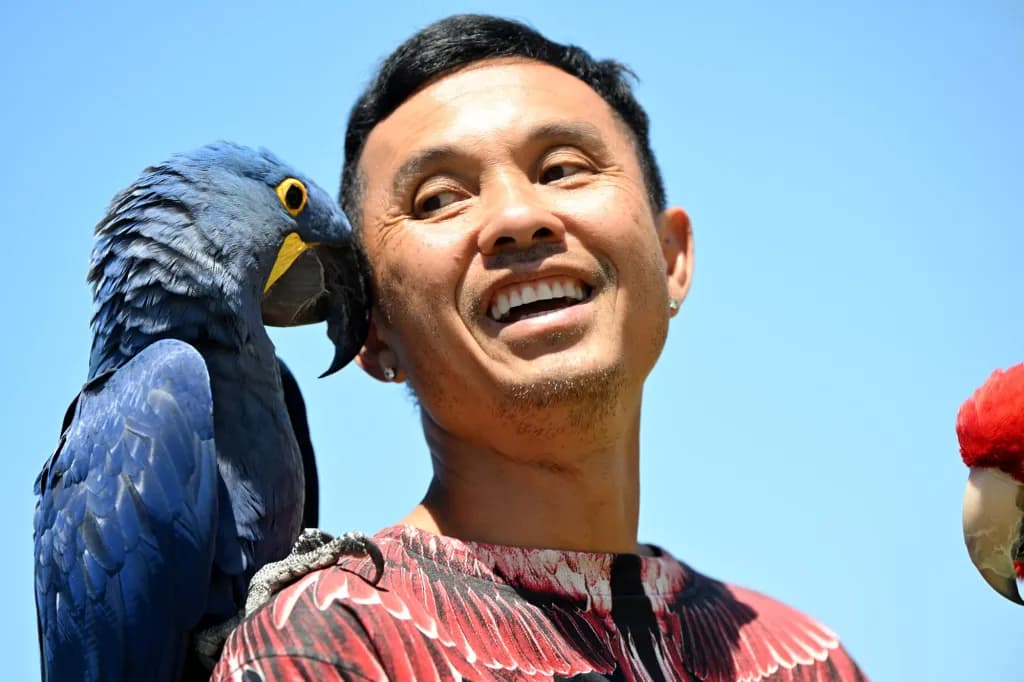
Chan Quach is based in Los Angeles, California, according to his Instagram profile, and that local footprint has already shown up in public-facing coverage. The Los Angeles Times published a story on March 16, 2023, about him free-flying macaws in Los Angeles, and Spectrum Local News also covered his work that year. That kind of visibility helps explain why more owners are encountering specialist behavior help as a real option instead of a niche luxury.
The field around him is broader than one center, too. The Association of Avian Veterinarians describes itself as a global professional organization dedicated to advancing avian health, welfare, and conservation through education, advocacy, and science. That is the backdrop for why behavior work is increasingly being treated as part of serious avian care rather than an afterthought.
The Avian Behavior Conservancy shows how that support often works in practice. Its consultation page offers one-on-one virtual sessions over Zoom and recommends a minimum of two sessions for behavior-change plans. That lines up with what most bird owners learn the hard way: one conversation can clarify the problem, but real change usually takes follow-up, adjustment, and a plan that survives contact with the actual bird.
What good help should feel like
The best parrot behavior help does not feel like being handed a script. It feels like someone finally sorting out which part of the problem is the bird, which part is the setup, and which part is the human habit that keeps setting off the loop. If a consultation gives you a practical way to change the handling, the routine, or the training path around a specific bird, then it is doing the job the Avian Center for Enrichment says it is there to do.
That is the real value here: not a generic promise to make parrots behave, but a tailored way to turn a screaming, biting, or shut-down bird into a partner you can actually live with.
This article was produced by Prism’s automated news system from verified source data, official records, and press releases, then run through automated quality and moderation checks before publishing. The system is built and supervised by the people who set the standards it runs under. Read our full AI policy.
Did this article answer your question?