Beloved UK Exotic Bird Hospital Great Western Exotics Closes, Leaving Parrot Owners Devastated
Great Western Exotics, the UK's only training centre for avian specialist vets, closed on April 2, leaving owners of 60,000 exotic pets scrambling for specialist care.
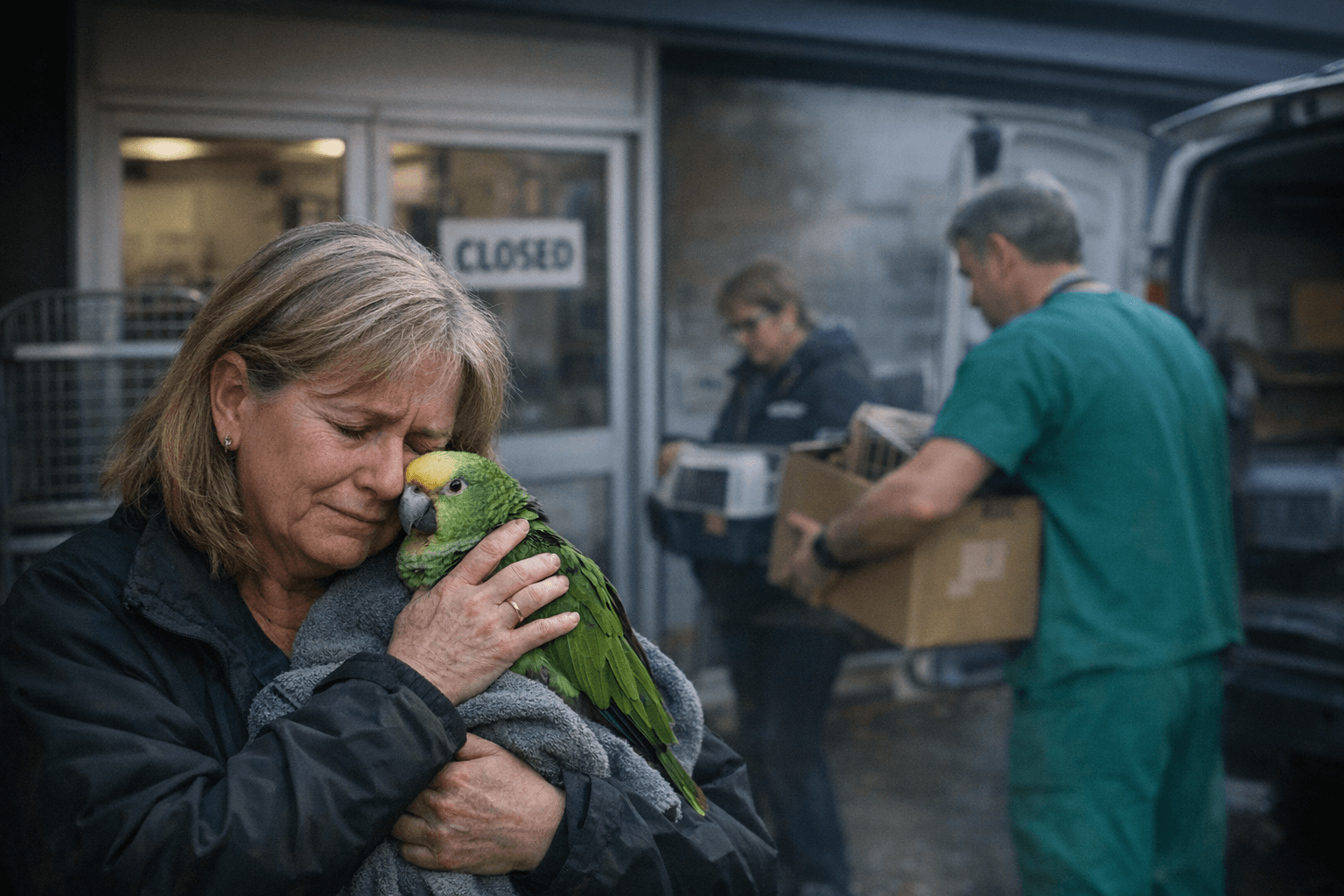
Ruth Hemingway knew exactly what closing one hospital could cost. The Great Western Exotics client launched a petition in early March warning that "for certain exotic species, clinical deterioration can occur rapidly, and timely access to experienced clinicians and appropriate facilities can be outcome-determining." The petition gathered more than 2,300 signatures. It did not save the hospital. On April 2, Great Western Exotics, based on Swindon's Shrivenham Road, closed its doors for good, ending two decades of service as the UK's tier-three RCVS-accredited, 24-hour avian and exotic referral centre and training hospital.
Vets Now, the IVC Evidensia subsidiary that operated the site, had first proposed closure on March 2, with an initial shutdown date of March 27. That deadline was extended by a week while the company explored a possible sale, but no buyer came forward. A Vets Now spokesperson confirmed the outcome: "Unfortunately, no viable alternative could be found. Consumer need for specialist exotic and avian veterinary services is rare and demand, alongside changes in makeup of our clinical team, has impacted our ability to sustain a dedicated centre long term."
Neil Forbes, the RCVS and European College of Zoological Medicine specialist who founded GWE in 2004 and ran it until 2017, called the closure "extremely sad," adding that he hoped "some knight in shining armour can charge in there and pick up the smouldering wreckage, and give it a good shake and turn it back into the organisation that it once was." No such rescuer materialised. Avian specialist Tariq Abou-Zahr described the loss as a "huge loss for the veterinary profession in the UK," with particular concern for vets mid-way through residency training. GWE hosted the only European College of Zoological Medicine avian residency pathway in the entire country; that pathway no longer exists.
More than 60,000 registered pets depended on GWE. At least one owner is already driving three hours round-trip for equivalent specialist care.
The most urgent practical step for any parrot owner in the region is requesting complete clinical records from any previous practice right now, before a health crisis forces the conversation. RCVS identification and microchip documentation should be updated at the same time, particularly for African greys and other CITES Appendix I species that legally require this paperwork.
Finding a replacement specialist starts with the RCVS Find a Vet tool at findavet.rcvs.org.uk, where practices can be filtered by avian expertise and postcode. When calling a new clinic for the first time, ask directly whether any vet holds a CertZooMed, a Diploma in Zoo Medicine, or RCVS Recognised Specialist status in zoo and wildlife medicine with an avian subspecialty. These qualifications indicate dedicated post-graduate training; a general practice without them may handle routine nail trims and annual checks competently, but complex surgical referrals require something closer to what GWE provided. The Royal Veterinary College in London runs a specialist avian service, headed by RCVS Recognised Specialist Dr Vicki Baldrey, that accepts both first-opinion appointments and referrals from across the south. Northern Parrots maintains a regional avian vet directory broken down by area of England for owners outside London.
The one-month window between Vets Now's announcement and the actual closure is a warning about how quickly specialist access can disappear. Identify your nearest avian-capable clinic before your macaw needs it, not after.
This article was produced by Prism’s automated news system from verified source data, official records, and press releases, then run through automated quality and moderation checks before publishing. The system is built and supervised by the people who set the standards it runs under. Read our full AI policy.
Did this article answer your question?