Viral Video Sparks Warning: Back-Petting Parakeets Causes Hormonal Harm
A viral budgie back-petting video has avian vets alarmed; the gesture mimics mating and can trigger hormone-driven organ failure in female parakeets.
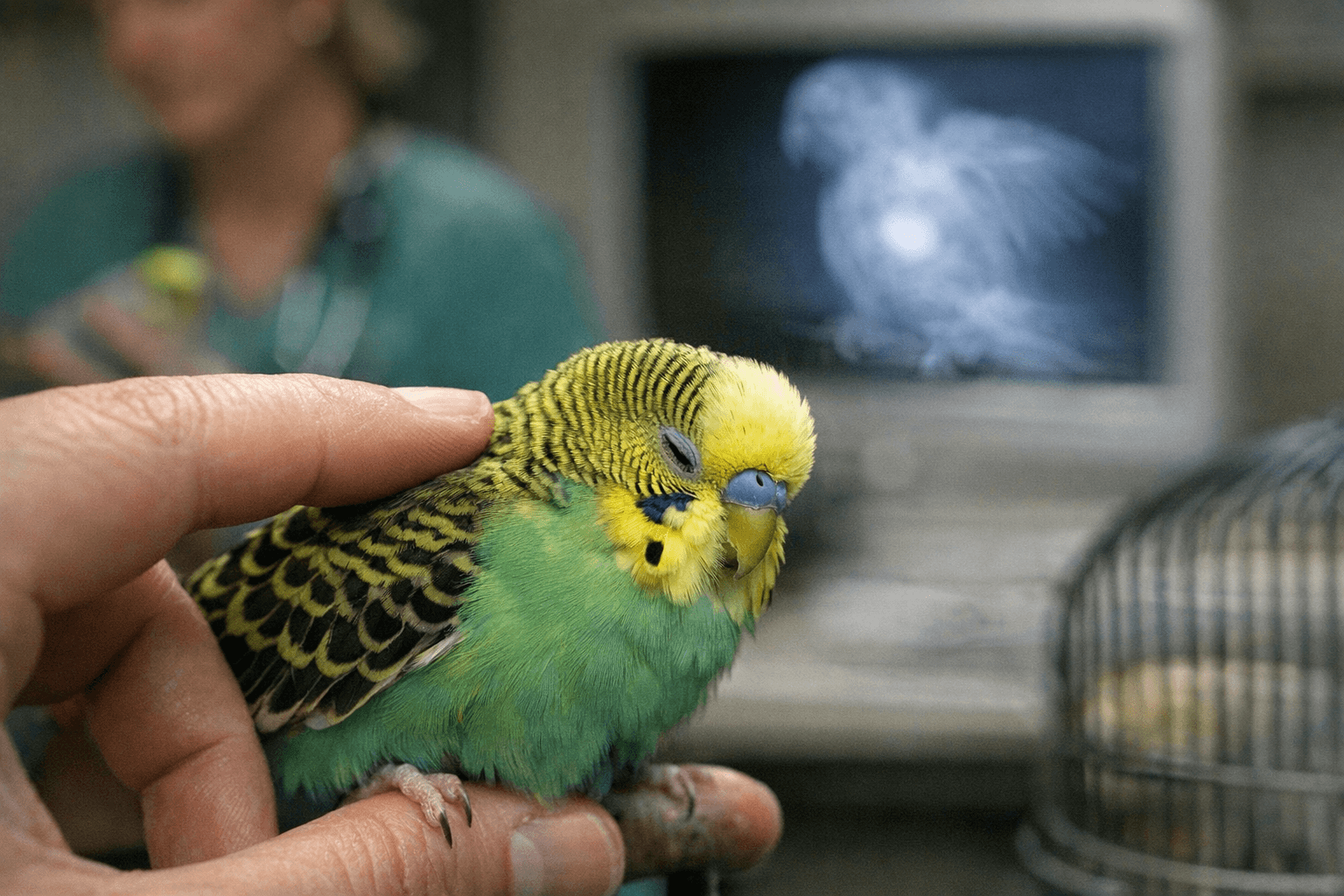
A video of a parakeet being stroked along its back and wings lit up parrot communities this week, racking up shares from owners who found the interaction adorable. Avian veterinarians found it alarming.
The mistake looks innocent: one hand moves down the bird's spine in long, slow strokes, and the budgie leans in. What reads as contentment is, according to VCA Animal Hospitals, a textbook sexual stimulation response. Petting a bird around the back, rump, and hind end triggers the same neurological pathways as mating contact. The head and neck are the only safe zones for tactile bonding.
"Petting down the back or under the wings can lead to a sexually frustrated bird or a bird who perceives you as a mate rather than a companion," Best Friends Animal Society warns. That bond has real consequences: a budgie that has pair-bonded with a human can become jealous, territorial, and aggressive toward anyone else in the household.
Larry Nemetz, DVM, of The B.I.R.D. Clinic in California, describes the internal mechanism as "the rising of estrogen and testosterone levels, resulting in a change in your budgie's behavior." Female parakeets tend to be hit harder than males. In a home environment, stable temperatures, year-round food, and constant human attention can push some birds into a near-constant hormonal state, what For The Birds DVM calls "profound and long term hormonal stress," rather than the twice-annual spring and autumn peaks wild birds experience.
The issue is especially urgent right now. According to the American Pet Products Association's 2021-2022 National Pet Owners Survey, nearly 50% of new bird owners cited the COVID-19 pandemic as a factor in their acquisition, and APPA's 2025 report found Gen Z bird ownership rose 22% between 2023 and 2025. Parakeets are the most popular type of pet bird, owned by 28% of all bird keepers. A large share of those owners are first-time and young, with no prior exposure to the basic rule about back-petting.
Three signs indicate a bird is being sexually over-stimulated. Regurgitation is the earliest: VCA Animal Hospitals explains this as courtship food-offering behavior toward a perceived mate. A bird crouching and rubbing its vent against a perch or a human hand is a second clear signal. Persistent aggression toward everyone in the household except one favored person is the third, and the one most likely to be misread as personality.
The health stakes are severe for female birds. Chronic hormonal stimulation can trigger excessive egg laying, which depletes calcium, protein, and vitamins and can lead to egg binding, osteoporosis, seizures, cloacal prolapse, or peritonitis. For The Birds DVM also warns of hepatic lipidosis and toxic ingestions from chronic pica. Surgical intervention is described in veterinary literature as "a difficult and dangerous procedure that is seldom performed except in extreme circumstances," and hormonal treatments like Lupron injections or deslorelin implants "do not resolve the underlying cause of the behavior."
Safer bonding methods center entirely on the head. Head scratches behind the crest and around the ear coverts are the gold standard. Target training, in which a bird touches its beak to a stick for a treat reward, builds genuine engagement without physical cuddling. Foraging enrichment, hiding food inside puzzle feeders or paper rolls, channels bonding energy productively. Certified parrot behavior consultant Chris Davis recommends redirecting a bird already engaged in sexually oriented behavior: "This correction should immediately be followed with praise if the parakeet stops the behavior … playing with a favorite bird toy or offering a favorite treat."
Owners managing a bird showing daily hormonal behavior should extend nightly darkness to 14 to 16 hours using blackout shades, remove mirrors and nest boxes, and consult an avian veterinarian. A vet at Veterinary Associates Stonefield in Louisville, Kentucky, with more than 23 years in practice, recommends leaving a hormonally active female budgie alone during peak periods, which typically run three to six weeks.
The IAABC Foundation Journal has observed there is "much misinformation in popular literature and social media about how to interact with parrots, which is likely to damage the human-avian bond." Barbara Heidenreich of Good Bird Inc. has produced a webinar titled "Solutions for Parrot Behavior Problems Related to Hormones" for owners already dealing with the downstream effects of territorial aggression, biting, and excess vocalization. The viral video is a precise illustration of the problem: what thousands called sweet was, for the bird, a stimulus with a potentially lethal hormonal cost.
This article was produced by Prism’s automated news system from verified source data, official records, and press releases, then run through automated quality and moderation checks before publishing. The system is built and supervised by the people who set the standards it runs under. Read our full AI policy.
Know something we missed? Have a correction or additional information?
Submit a Tip