Bird vet warns excessive egg laying can endanger pet parrots
Excessive egg laying can strip calcium, trigger egg binding, and signal a husbandry problem that needs fast changes. Diet, light, and nesting cues matter.
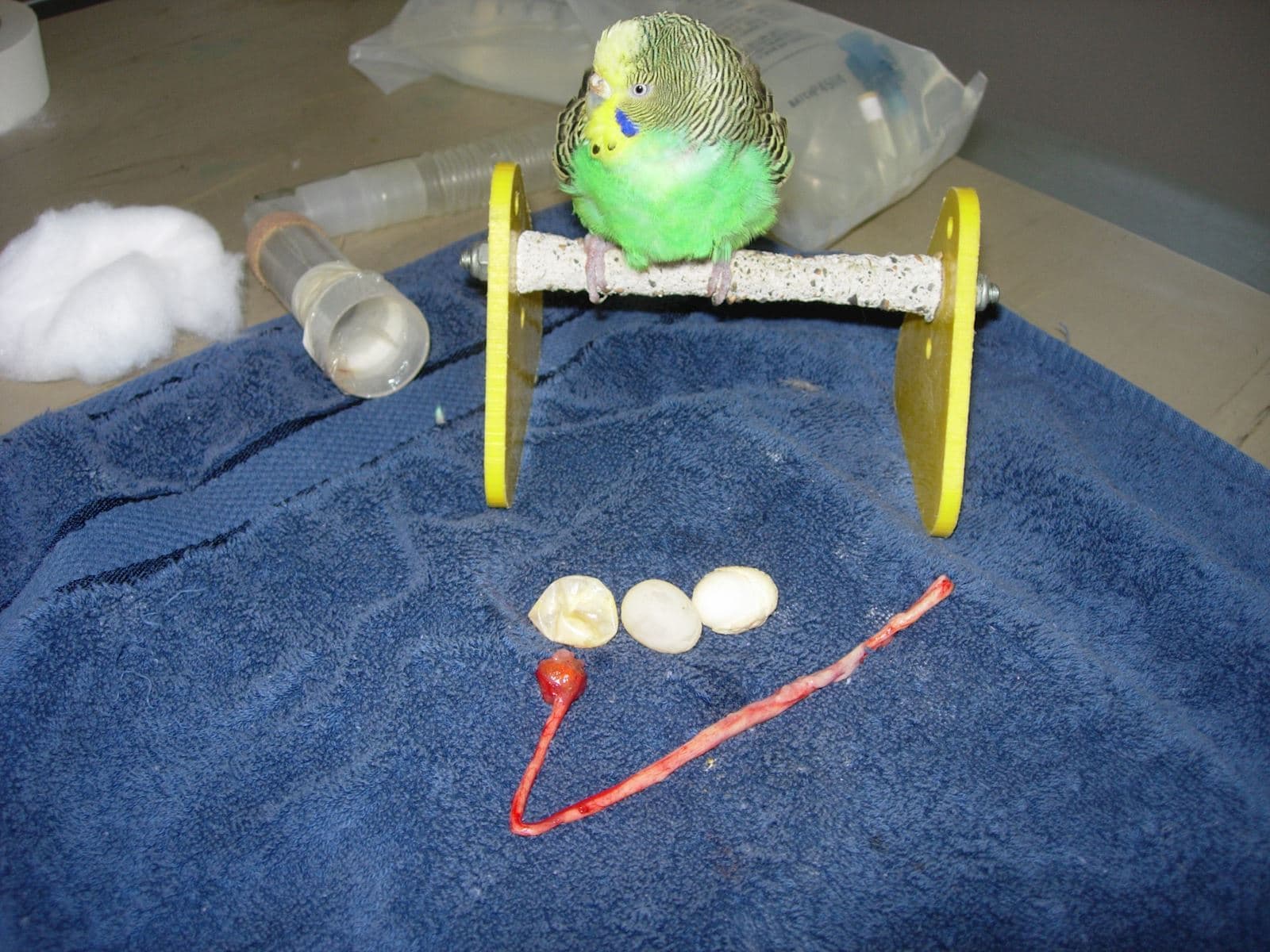
Excessive laying is a health warning, not a quirky habit
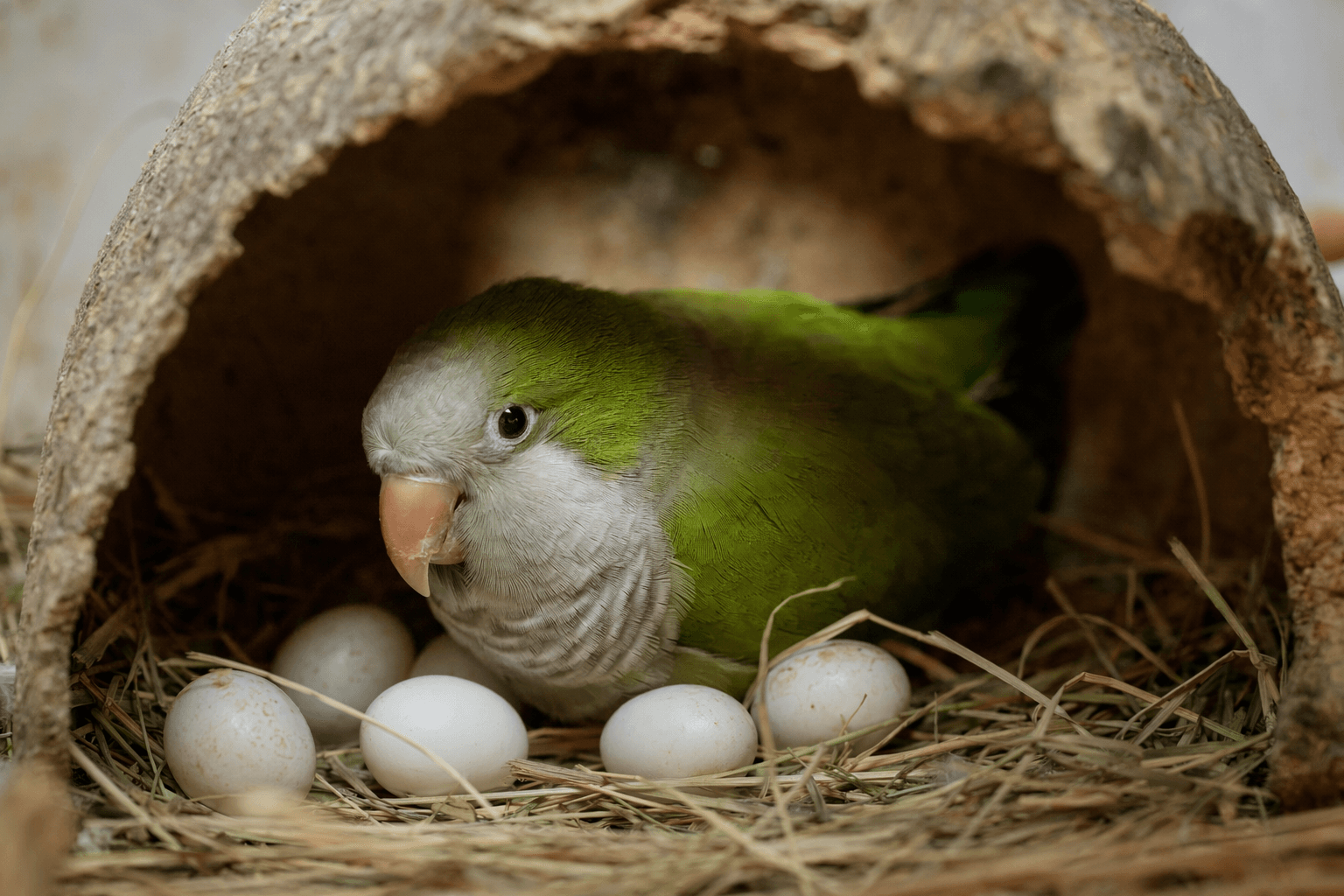
Excessive egg laying in a pet parrot is not something to shrug off as a breeding-season oddity. Bird Vet Melbourne frames it as a health and husbandry problem first, because a hen can lay infertile eggs even when no male is present, and chronic laying can lead to calcium depletion, malnutrition, infection or inflammation of the oviduct, and egg binding.
That matters because pet birds often hide illness until they are already quite sick. If your bird keeps laying, the safest response is not to wait and see how long the cycle runs. It is to start changing the conditions that are telling her body it is safe to breed.
Why the cycle keeps getting reinforced
Food is one of the biggest drivers of the problem. A diet heavy in seeds and calories can act like a breeding trigger, while a balanced pelleted diet with vegetables and restricted seeds is a better match for both nutrition and hormonal control. VCA Animal Hospitals also notes that seed-based diets are deficient in key nutrients, including calcium, selenium, and vitamins D and E.
Calcium deserves special attention because repeated laying can quickly drain a bird’s stores. LafeberVet explains that calcium for egg production comes from the diet and medullary bone, and chronic egg laying is an important drain on those reserves. When that store runs low, weakness and emergency problems become much more likely.
What to change at home first
If you are trying to break the pattern, the goal is to make the home read less like a breeding site. That starts with removing nesting cues and cutting back on the kinds of interactions that keep hormones switched on.
- Take away nest boxes, cozy hidey spots, shredded nesting material, and other nesting sites.
- Limit mirrors, toys, or setups your bird may treat like a mate.
- Avoid petting the body instead of the head, cuddling the bird close, and offering warm foods, all of which can send a sexual message.
- Replace hormone-driven interactions with training and socialization that meet your bird’s need for contact without encouraging mating behavior.
Bird Vet Melbourne also warns against relying on artificially shortening the day by covering a bird early. That may keep a cage covered for longer than your bird enjoys, but it does not realistically reset circadian rhythms at home. In practice, the better fix is a cleaner environment, a better diet, and more careful handling.
Why sexing and pair status still matter
Many pet birds are not sexually dimorphic, so you often cannot tell sex by appearance alone. Merck Veterinary Manual notes that DNA sexing or endoscopy may be needed, especially when you are trying to sort out whether laying is tied to an unrecognized pair dynamic or a bird that is simply cycling on her own.
That distinction matters because chronic egg laying is more common in pet birds living without mates, and those birds may still lay infertile eggs. If you have assumed a solo bird could not be at risk, this is the point to reset that thinking. The body does not need a male present to get stuck in a reproductive loop.
Know when home changes are not enough
Egg binding is the emergency every parrot keeper needs to understand. It happens when a female bird cannot naturally expel an egg, and it can become life-threatening fast. Merck Veterinary Manual says it is commonly seen in captive hens, especially cockatiels, budgerigars, and lovebirds, and calcium deficiency is a major factor.
The veterinary literature has treated this as a real clinical pattern, not a rare oddity. A retrospective AVMA Journals study looked at egg binding in parrots over an 11-year period from 2009 to 2020, underscoring how often avian-specialty practices see the problem. Cornell University College of Veterinary Medicine also explicitly lists medical and surgical treatment for birds with chronic egg laying, which is a reminder that some cases need more than diet changes and cage rethinking.
If your bird is repeatedly laying, or if you see signs that point toward egg binding, the conversation needs to move from home management to avian medicine. The longer calcium depletion, oviduct irritation, and repeated laying continue, the narrower the safety margin becomes.
The practical takeaway for parrot homes
The clearest way to protect a laying hen is to treat the behavior as a warning sign and not a personality quirk. Fix the cues that are keeping her body in breeding mode, tighten up the diet, remove nesting triggers, and be careful with how you handle her. If the laying continues or the bird looks unwell, that is the point where an avian vet needs to take over, because excessive egg laying can turn into a calcium crisis and a true emergency before it looks dramatic from the outside.
This article was produced by Prism’s automated news system from verified source data, official records, and press releases, then run through automated quality and moderation checks before publishing. The system is built and supervised by the people who set the standards it runs under. Read our full AI policy.
Did this article answer your question?