Study finds parrots may use names for specific people and animals
In a study of 884 captive parrots, 47% of reports included name-like calls tied to specific people or animals.
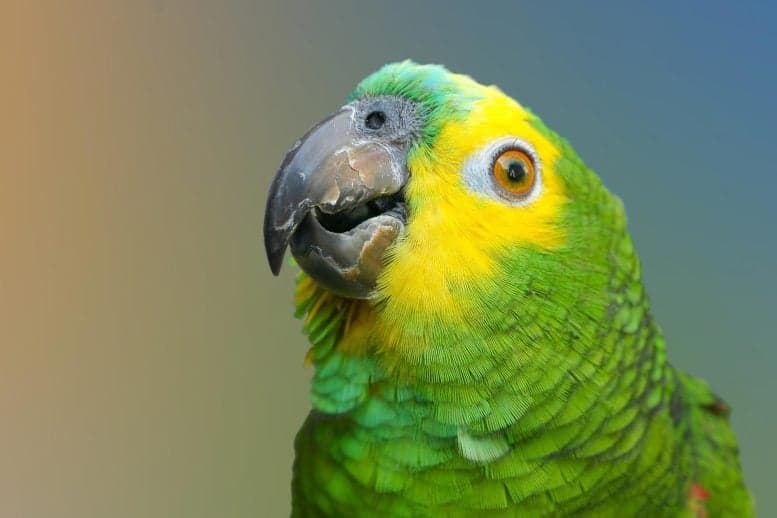
A parrot calling out a name may be doing more than mimicking a favorite sound. In a new study led by the University of Pittsburgh and collaborators, researchers examined vocal recordings and survey responses from nearly 900 captive parrots and found 802 phrases that included names.
The work leaned on the ManyParrots research network, which gathered examples from people living with the birds. Out of 884 birds in the survey reports, 47 percent included examples of name use, giving the team a large enough sample to look for patterns beyond simple copycat chatter. In the cases where researchers had enough context, some parrots appeared to use name-like vocal labels for particular individuals rather than for broad categories of people or animals.
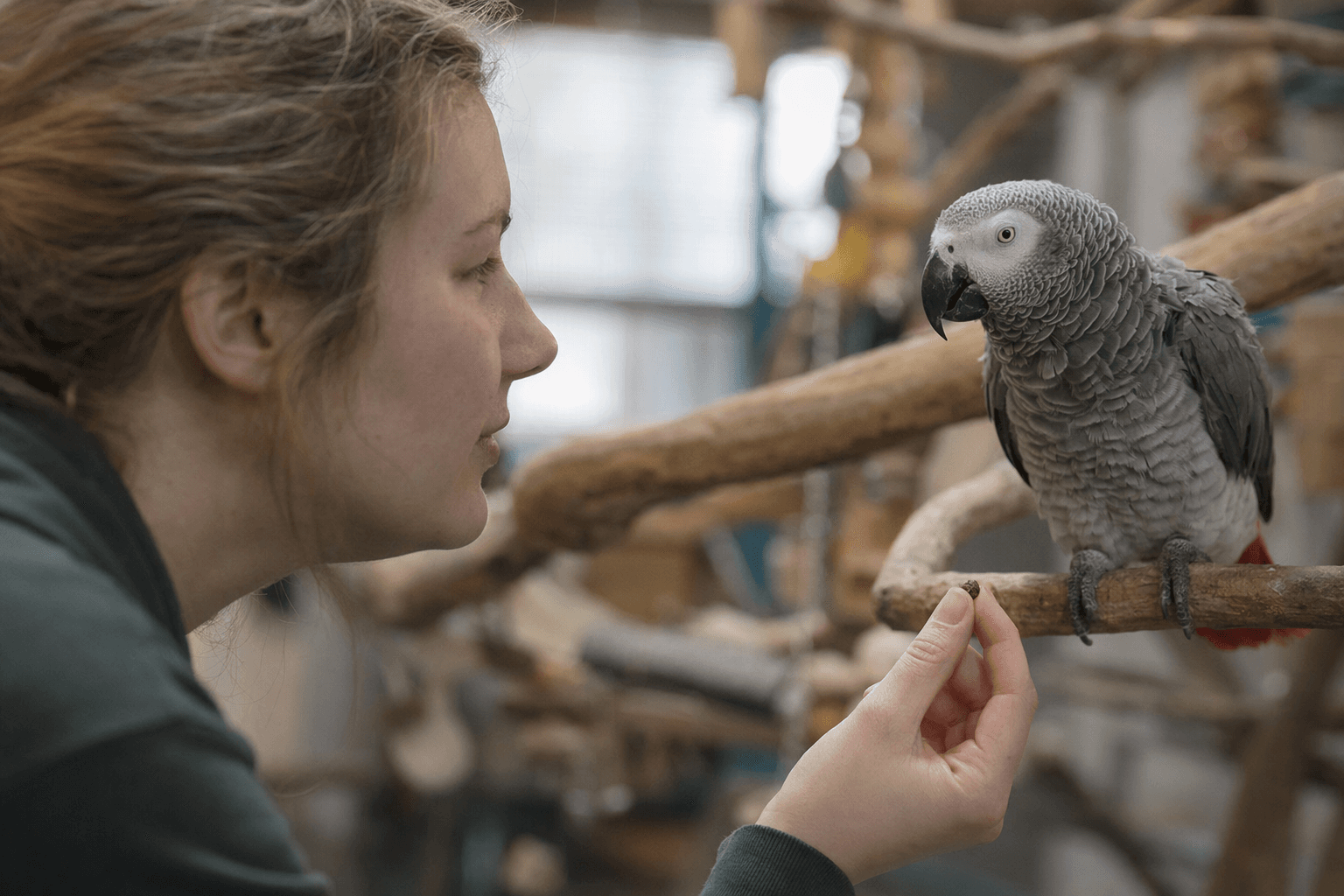
Those labels did not show up in isolation. The birds used them in everyday moments that parrot keepers know well: greetings at the cage, separations when a person or flockmate left, and attention-seeking when the bird wanted a response. That matters at home because it suggests the sounds many keepers hear as talking may also be part of a bird’s social map, marking who is nearby, who is missing, and who matters in that moment.
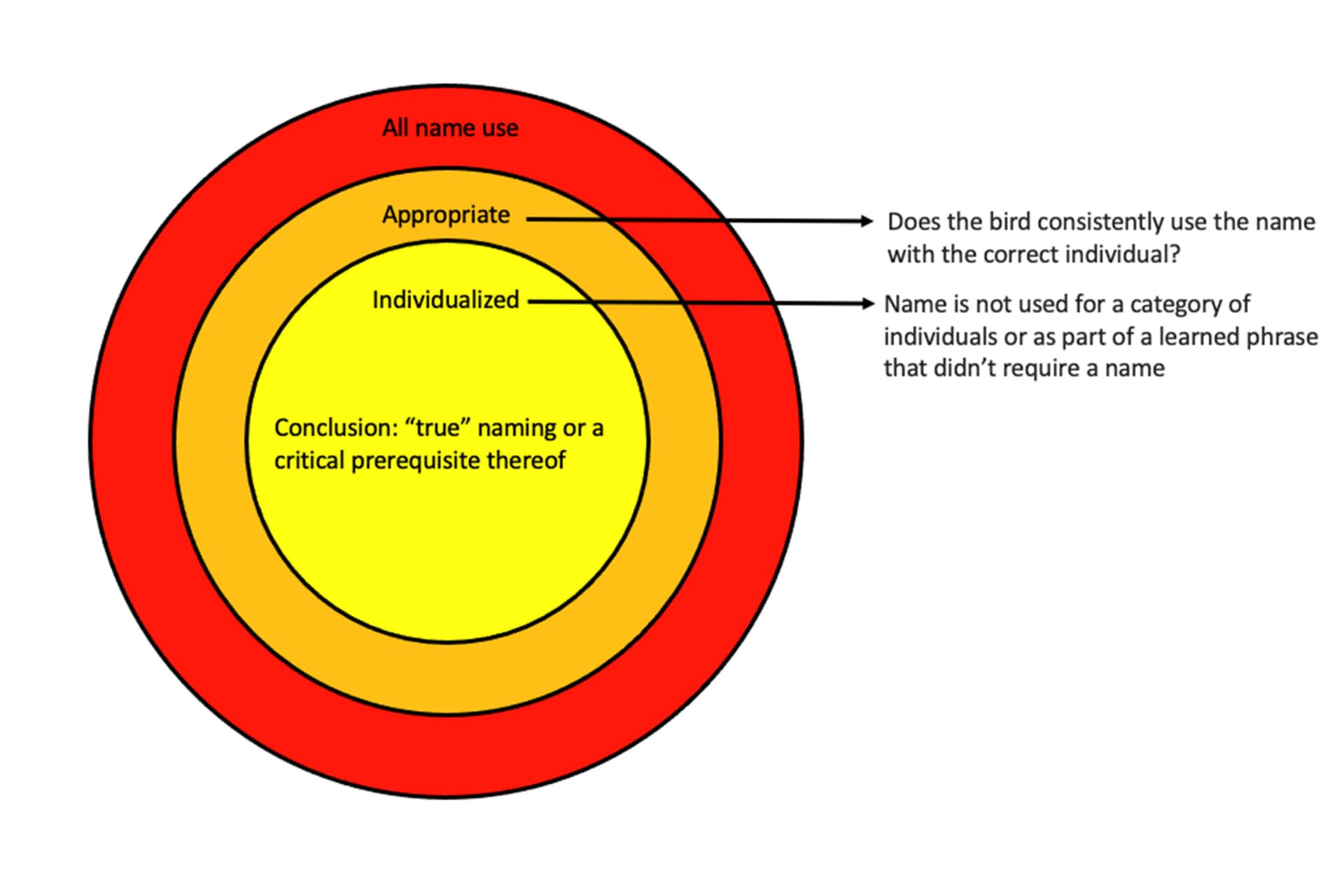
The study also drew a clear line between a striking finding and an inflated one. The researchers did not claim that parrot names are the same as human names, and they cautioned that animal signals can work very differently from human speech. Intent is still hard to pin down, which means the safest reading is not that parrots are speaking like people, but that some of them may be linking vocal labels to specific individuals in flexible, socially meaningful ways.
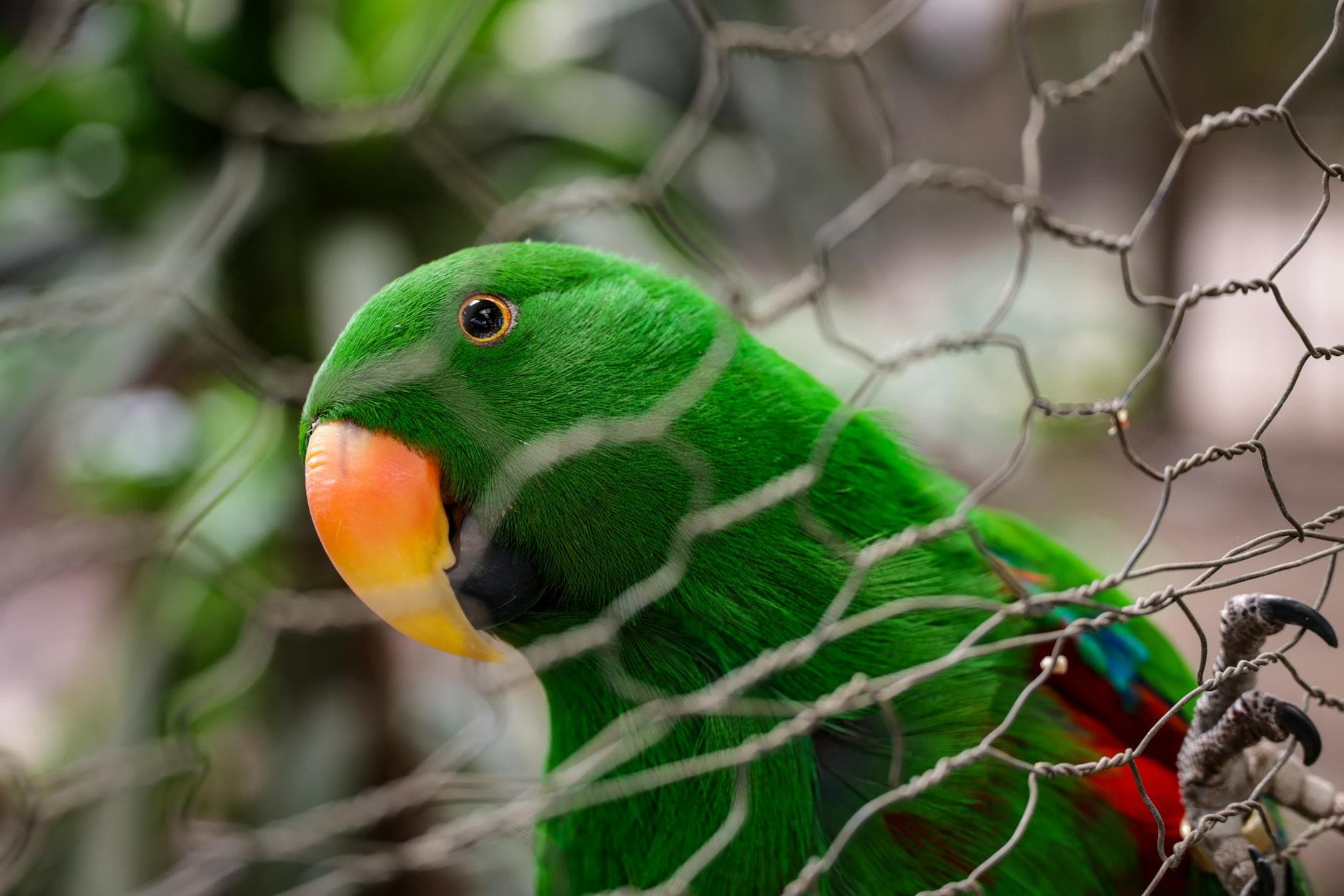
For anyone living with a companion parrot, that is a useful shift in perspective. It pushes attention toward recognition, bonding, and flock dynamics instead of novelty alone. The same bird that seems to chatter at random may be tracking who enters the room, who leaves, and which family member gets called to the perch. Seen that way, a “talking” parrot starts to look less like a trick and more like a bird keeping social records in plain sound.
This article was produced by Prism’s automated news system from verified source data, official records, and press releases, then run through automated quality and moderation checks before publishing. The system is built and supervised by the people who set the standards it runs under. Read our full AI policy.
Did this article answer your question?