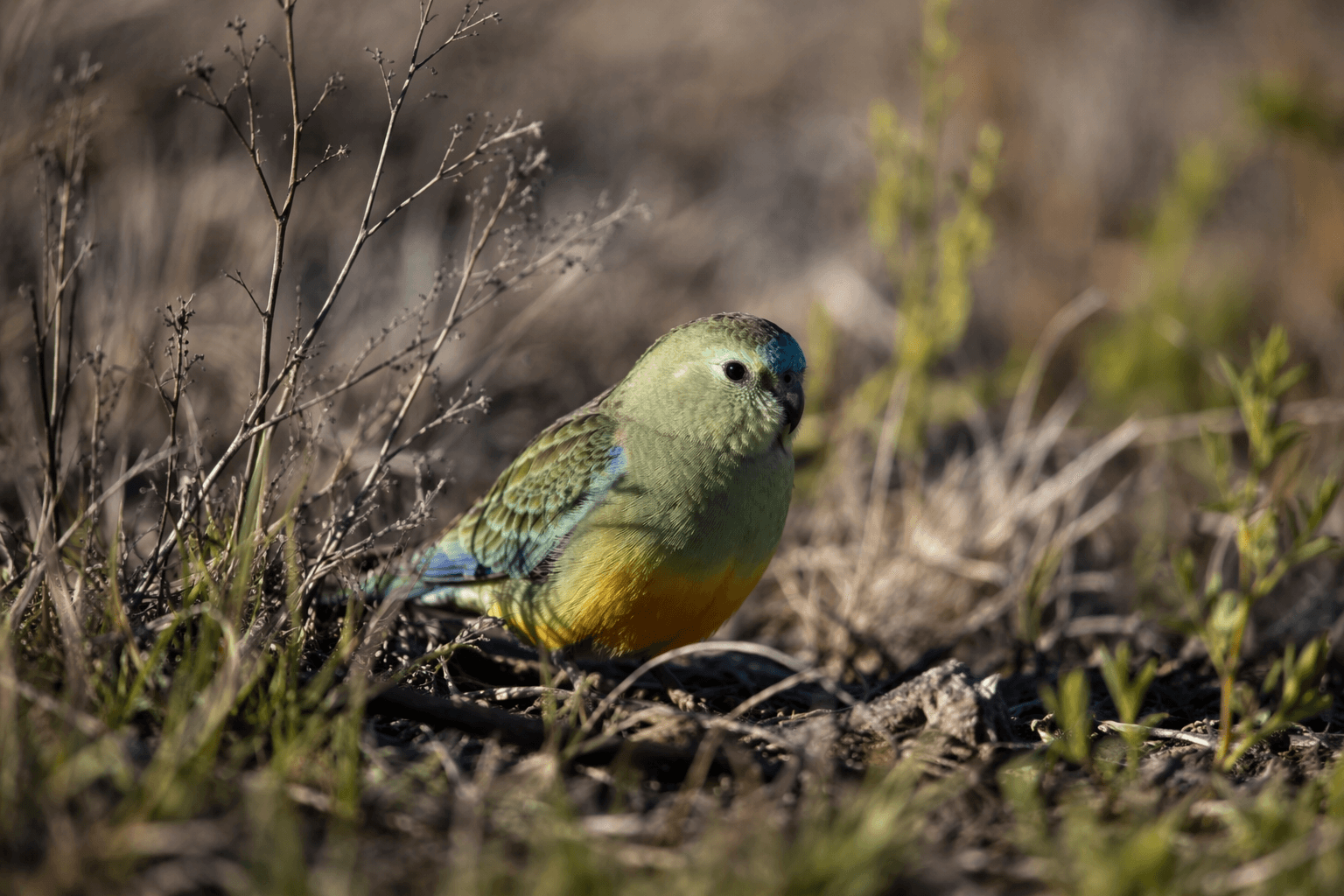
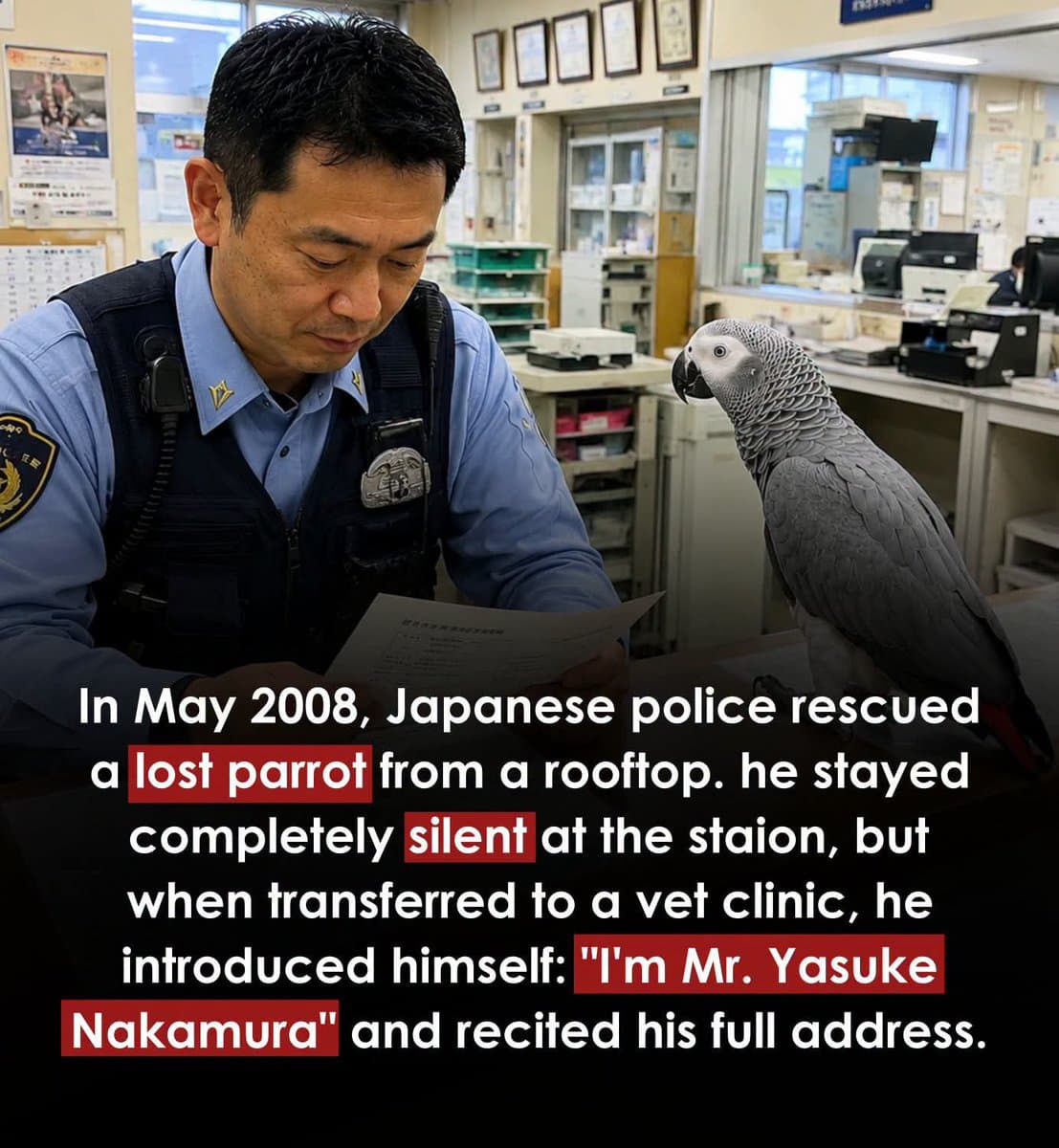
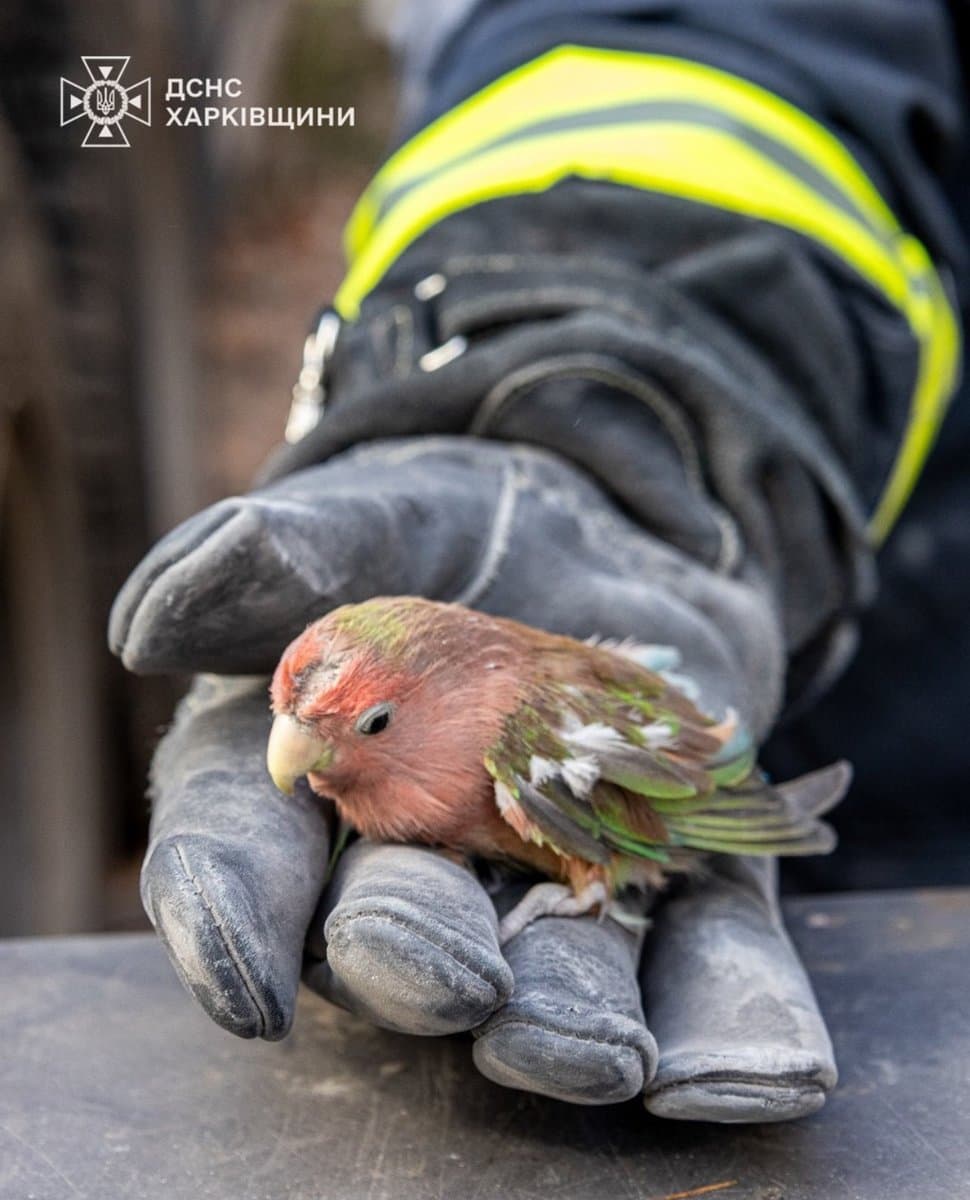
Colombia sanctuary rehabilitates seized parrots for return to the wild
At Fundación Loros in Villanueva, seized pet parrots are relearning wild life, and the team says the hardest part is undoing captivity, not opening the cage.

In the tropical dry forest outside Villanueva, Bolívar, about an hour from Cartagena, Fundación Loros is doing the part of parrot conservation that pet-trade stories usually skip: the long, messy work of making a former pet wild again. The sanctuary takes in birds that have been victims of captivity and illegal trade, then rehabilitates them for release in a country where hundreds of parrots are still captured illegally each year in the Colombian Caribbean.
That rescue-to-release pipeline is built around hard realities, not sentiment. Colombia’s Law 1801 has barred keeping wild animals such as parrots as pets without legal permission since 2016, and the resulting enforcement has driven more seizures and surrenders. Wildlife authorities commonly confiscate parrots and other psittacines, place them in reception centers for assessment, and only attempt release when a bird’s condition and behavior make it possible. Even then, the damage from years in cages does not disappear on its own.

Fundación Loros says the reserve covers 370 hectares, or 914 acres, and its work extends beyond bird care. The project combines field rehabilitation, forest restoration, monitoring, education, coordination with authorities, and work with farmer guardians, because a parrot that cannot find food, shelter or safe nesting habitat is not really back in the wild. The sanctuary also protects the forest the birds need to survive, with biologists, veterinarians, forest rangers and local neighbors all part of the operation.
The results show both how difficult the process is and why it matters. The Macaw Society said the team had released 27 Amazon parrots over the previous year, with at least 22 returning to feeders and thriving. It also said 23 young parrots were prepared for life outside the cage through free-flight training by Chris Biro of Bird Recovery International. That kind of conditioning is the real bridge between rescue and release, teaching birds to move, feed and avoid danger without leaning on humans for every meal.

Carbon Brief’s 20 May 2026 roundup added the part pet owners need to sit with: former pet parrots that made it through rehabilitation are now raising chicks in restored areas. That is the clearest rebuke to the pet trade. These birds are not decorative companions that can be set loose when they outgrow a household. They are wild animals, and when captivity steals their behavior, their health and their instincts, the repair takes years, not a weekend, before a release can mean anything at all.
This article was produced by Prism’s automated news system from verified source data, official records, and press releases, then run through automated quality and moderation checks before publishing. The system is built and supervised by the people who set the standards it runs under. Read our full AI policy.
Did this article answer your question?