Five new Gold Bourke's parakeet mutations debut in aviculture
Five new Gold Bourke's parakeet mutations are hitting the hobby after a line that began in 2016. The color is new; the Bourke's appeal as a calm, small companion bird is not.
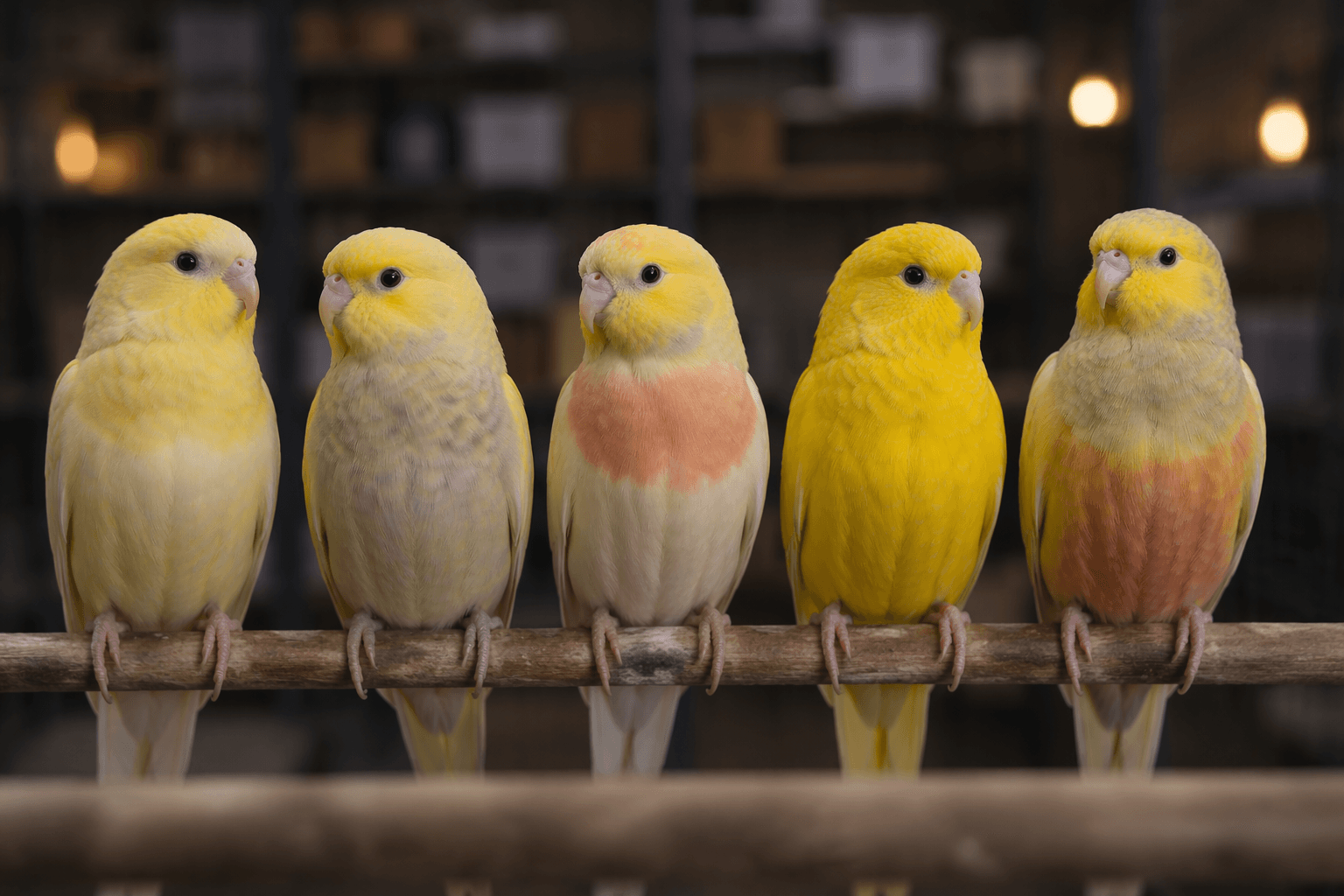
The question around the Gold Bourke's parakeet is simple: is this just a prettier feather package, or does it change what makes Bourke's parakeets worth keeping in the first place? The answer, at least for companion-bird keepers, is mostly about color. AFA Watchbird's introduction of five new Gold Bourke parakeet mutations points to a fresh look developed over years, but the bird behind the plumage is still the same small, soft-spoken Australian parrot that has earned its place in aviaries by being easygoing.
The gold line is a breeding project, not a sudden gimmick
The gold line began in 2016 at Los Monos Aviary, LLC. in Chambersburg, Pennsylvania, under Nelson Maldonado's name, and that timeline matters. It tells you this was not a lucky one-off hatch that got amplified by hype, but a multi-year effort that had to be carried through pairings, record-keeping, and enough patience to see the line stabilize. The announcement of five new Gold Bourke parakeet mutations also signals that the project has moved beyond a single bird or single family and into a broader presentation for the aviculture community.
That is the real story here. In parrot breeding, a new color line only becomes meaningful when it can be reproduced with some consistency. The fact that this gold work has been developing since 2016 suggests the kind of slow, deliberate breeding that serious hobbyists recognize immediately.
The species already had the right temperament for the hobby
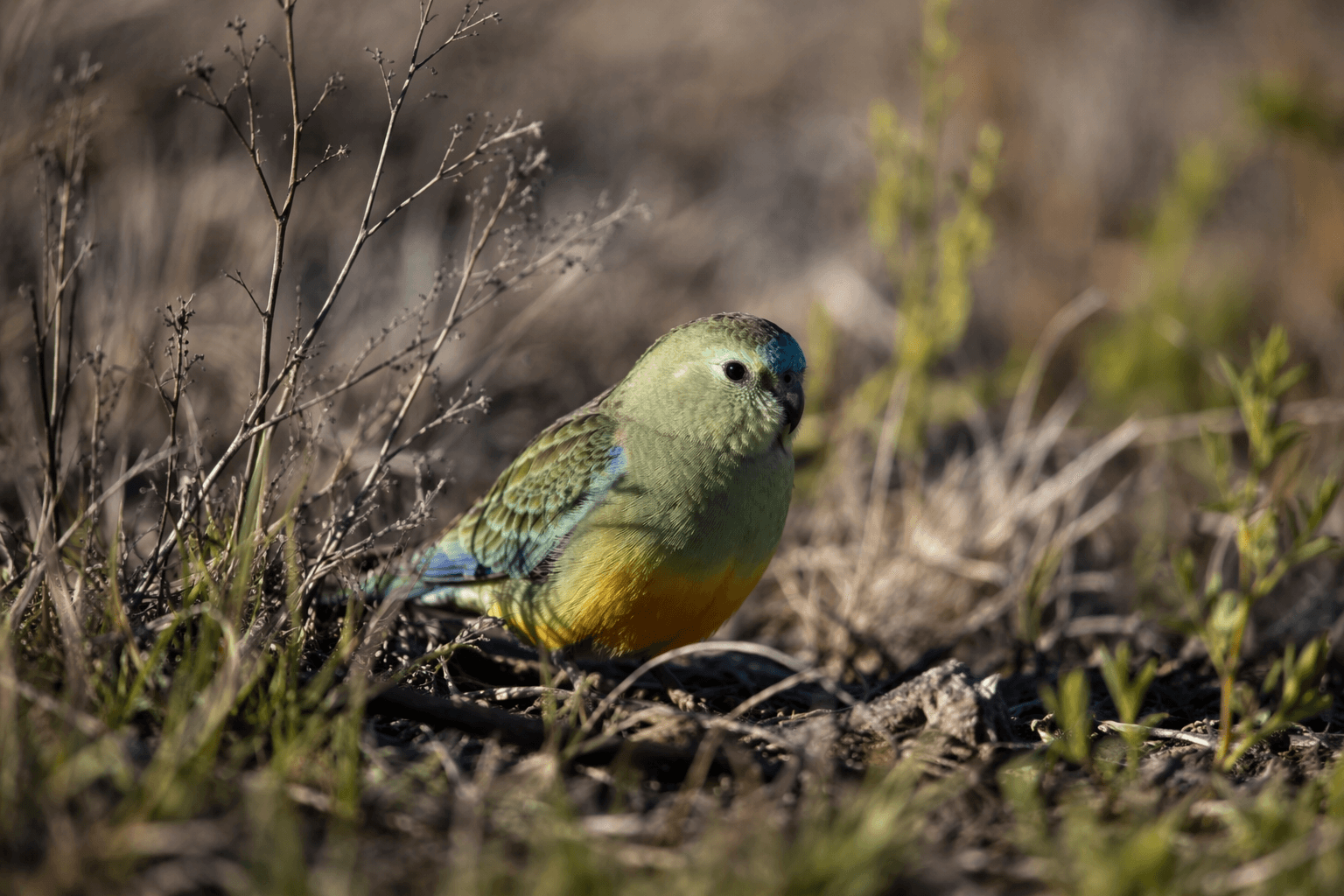
Bourke's parrots were never waiting for a dramatic makeover to become appealing. They are a monotypic species, Neopsephotus bourkii, native to the arid and semi-arid interior of Australia, with a range that runs through southwestern Queensland, northwestern New South Wales, South Australia, and Western Australia. In the wild they live in mulga and other acacia scrub, native cypress, and open eucalypt woodlands, which gives you a good picture of the kind of bird they are: compact, hardy, and built for open country rather than forest noise.
They are also small, about 19 cm long and around 45 grams, which lines up with the familiar seven-to-eight-inch description bird keepers use. BirdLife International's reassessment still treats the species as globally Least Concern, so this is not a threatened bird suddenly being pushed into the spotlight by captive breeders. It is, instead, a familiar Australian parakeet with a long scientific paper trail and a newer color project layered on top.
What the gold mutation does not change is the Bourke's personality
This is where standard Bourke's and Gold Bourke's still meet. The species has long had a reputation for being one of the mellower parrots in the room, with a quiet, gentle attitude that makes sense for keepers who want a bird without a constant soundtrack. Older AFA Watchbird material from 1982 was already describing Bourke's parakeets that way, which tells you the appeal is not a fashion trend. It is a durable trait that has kept the species relevant for decades.
That matters when people see a new color and assume they are buying a different kind of bird. They are not. The gold mutation changes plumage, not the essential Bourke's temperament that companion-bird keepers value. If you like Bourke's because they are calm, soft-colored, and generally less demanding in vocal energy than many other parrots, the gold line is an aesthetic upgrade, not a personality rewrite.
Husbandry stays anchored to the species, not the color
Because the Gold Bourke's parakeet is still a Bourke's parakeet, the basic husbandry picture does not change. Keep thinking in terms of a small Australian grass parakeet, not a bird that suddenly needs a different kind of life because its feathers are gold. The species' natural rhythm is also useful context for breeders: in the wild, Bourke's breed from July to December, lay three to six eggs, incubate for about 19 days, and keep nestlings in the nest for about 28 days.
Those numbers matter because they remind you how the species works when breeding is done well. A gold mutation does not alter clutch size, incubation, or nest time, and it should not be treated as if it does. The same practical basics still apply: stable pairs, close attention to breeding behavior, and a setup that respects the species' calm nature rather than overcomplicating it.
Why aviculture cares about this debut
This is where the hobby split becomes clear. For a companion-bird keeper, the gold line is attractive because it adds visual novelty to a bird already known for being pleasant to live with. For aviculture enthusiasts, it is something more specific: a documented mutation line that shows how selective breeding continues to shape a familiar species without changing its core identity.
The breeding ethics question is part of that too. New mutations should be about more than looks, because the best lines are the ones that hold type, stay healthy, and remain true to the species underneath. That is why a project that started in one Pennsylvania aviary in 2016 and now arrives as five new Gold Bourke parakeet mutations matters: it sits right at the intersection of patience, genetics, and responsible hobby breeding. The color may be new, but the reason Bourke's still win people over is exactly the same as before.
This article was produced by Prism’s automated news system from verified source data, official records, and press releases, then run through automated quality and moderation checks before publishing. The system is built and supervised by the people who set the standards it runs under. Read our full AI policy.
Did this article answer your question?