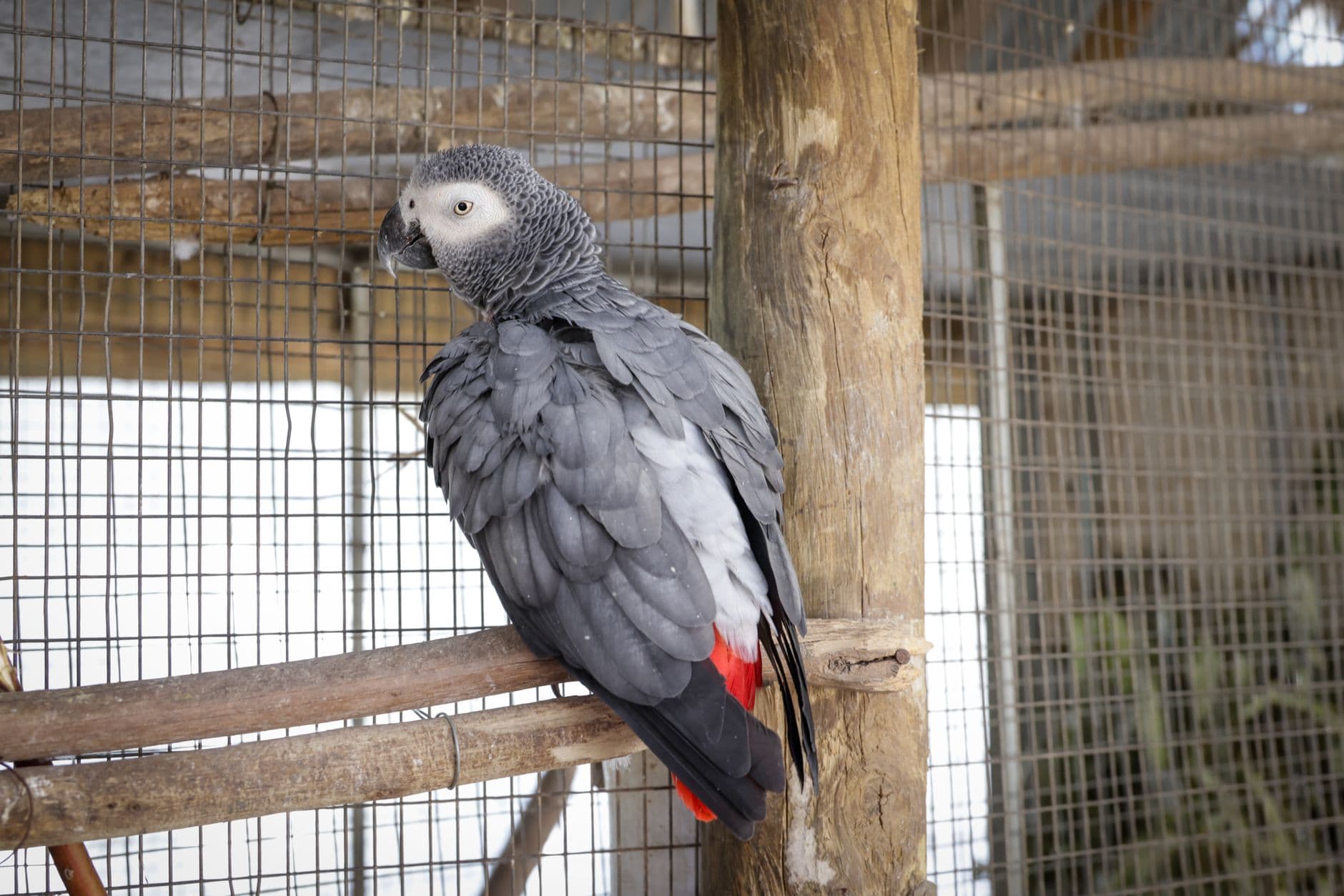
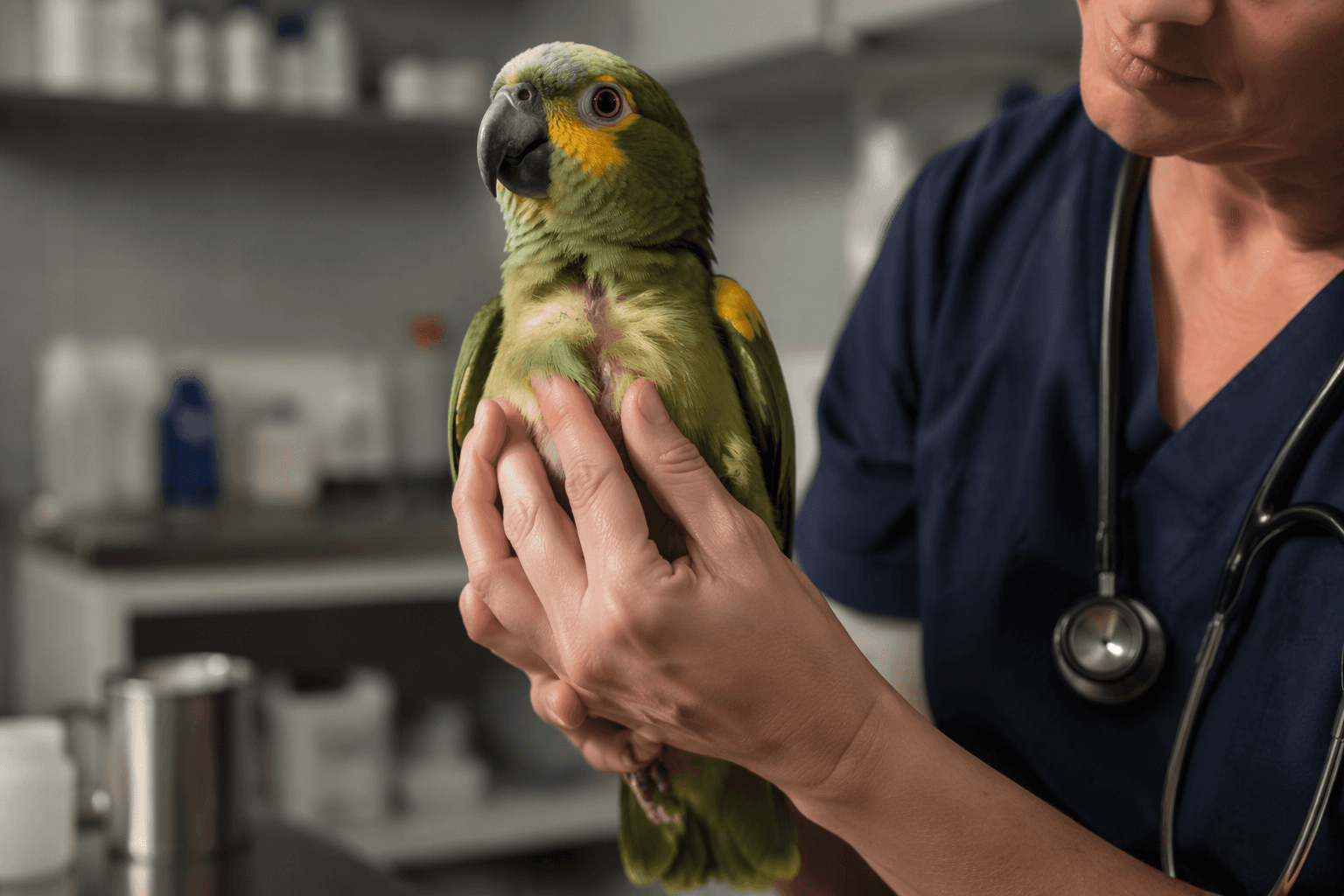
Harrison’s Bird Foods guide says parrot care is a whole-bird discipline
Parrot problems often trace back to the setup, not the bird. Harrison’s Bird Foods pushes owners to audit behavior, diet, housing, enrichment, social needs, and vet care.
Harrison’s Bird Foods includes a family bird documented as being part of one family for 99 years. Parrots are highly intelligent prey animals, which means fear, insecurity, environment, social contact, and the way you approach them can all shape what happens at home. Keeping a parrot alive is not the same thing as keeping one behaviorally and physically well.
Behavior is the clue, not the accusation
Parrots need to be understood as whole birds, not feathered house pets with simple instincts. Successful care includes behavior, social needs, intelligence, nutrition, housing, enrichment, disease prevention, and regular work with an experienced avian veterinarian. Put plainly, a frustrating behavior often points back to the bird’s setup, not to stubbornness.
Parrots are not domesticated in the same way dogs and cats are. If a bird is uneasy, reactive, or withdrawn, the first question is whether the environment, handling style, or daily rhythm is forcing the bird to cope instead of thrive. The self-check is straightforward: does the current setup support the bird’s natural history, species-specific needs, emotional state, and routine, or is it asking too much from an animal built to read the world as prey?
A useful self-audit starts there:
- Is the diet genuinely appropriate for the species and individual bird?
- Does the housing allow safe movement and comfort, not just containment?
- Is enrichment part of the day, not an occasional add-on?
- Are social needs being met in a way the bird can actually use?
- Is disease prevention and avian vet care built into the routine, not reserved for emergencies?
The daily system has to work together
Nutrition, housing, sunlight, exercise, hygiene, enrichment, and preventive veterinary care are not separate boxes to tick. They work as one system, and that is the part many care conversations miss. A bird can have decent food and still struggle if the housing is poor, the routine is chaotic, or enrichment is thin enough that the bird has little to do besides react to the room.
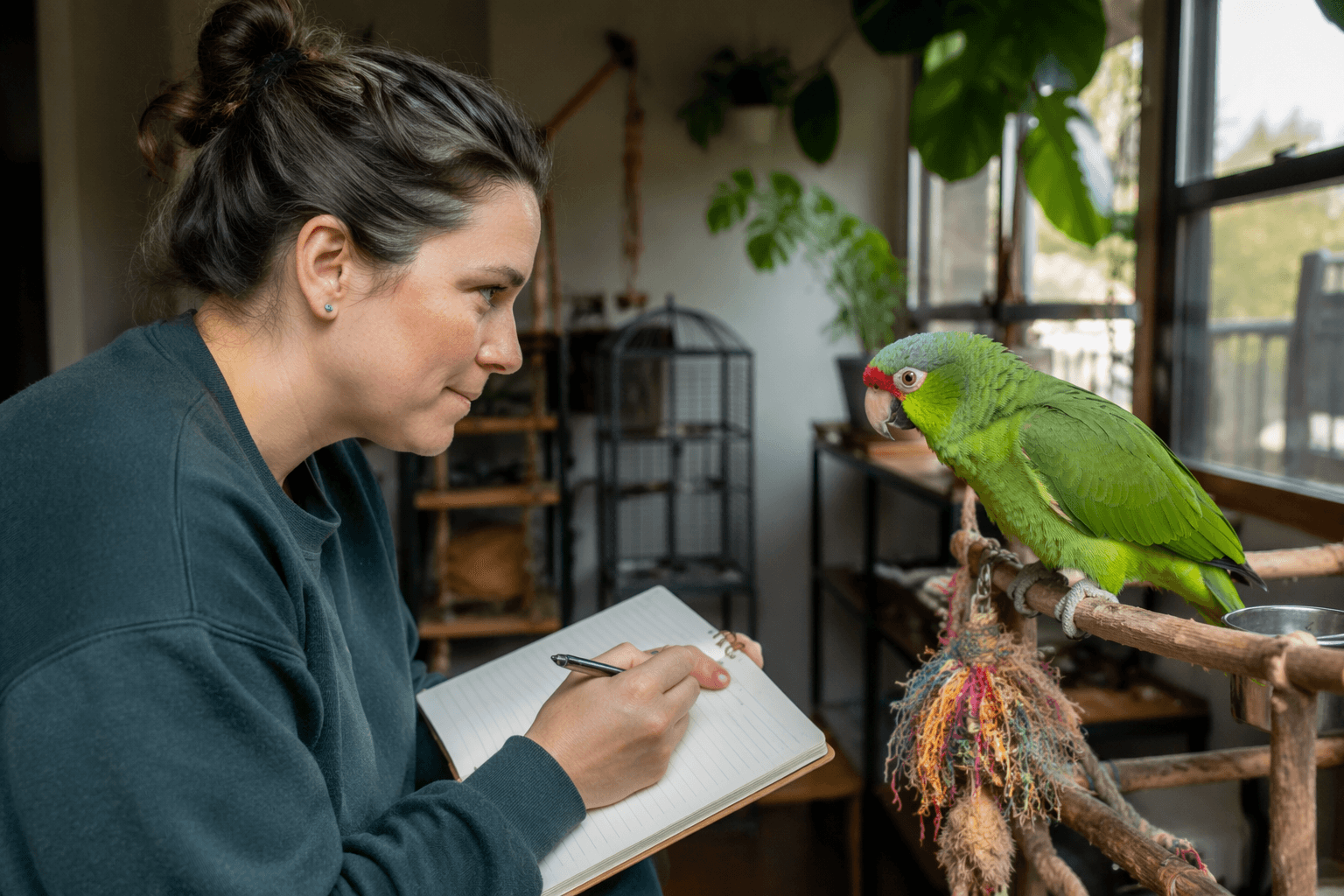
The point is balance: enough stimulation, enough space, enough cleanliness, enough movement, and enough predictability to let a bird settle into healthy behavior.
The same logic applies to how you interpret day-to-day changes. A bird that suddenly seems off may be telling you that the routine, the environment, or the social situation has shifted in a way the bird cannot tolerate. The more the setup works as a system, the easier it becomes to spot what is out of place before it turns into a bigger welfare problem.
Do not wait for illness to look obvious
The Association of Avian Veterinarians recommends regular checkups for companion birds. Birds hide illness. By the time a parrot looks clearly unwell, the problem may already be advanced. That is why annual or routine exams with an experienced avian veterinarian are not a luxury. They are a core part of responsible care.
The AAV’s clinical guidance also emphasizes reducing stress during handling and transport. That means watching the bird’s demeanor before physical handling, pausing if the bird becomes overwhelmed, and using the right carrier so the trip itself does not add avoidable strain. For a species that is already cautious by nature, stress reduction is part of medical care, not an afterthought.
If you wait for a parrot to “look sick,” you may already be late. Regular care turns vague unease into a useful baseline, and a baseline is what lets you notice subtle changes in appetite, posture, interaction, or energy before they become a crisis.
Think in decades, not months
Parrot keeping is a long-haul commitment. Parrots may remain in the same family for several generations. Cornell’s bird-care guidance puts that longevity into context: smaller birds such as budgies and cockatiels can live about 20 years, while larger parrot species can live up to 50 years.
The cage, the diet, the vet relationship, the enrichment plan, and the household routine all need to be sustainable over time, not just workable for a few months. A bird that can outlast home moves, job changes, and family transitions needs care that is designed for continuity.
A short-term solution may quiet a behavior for a week, but a decades-long companion needs a system that can grow with the bird.
Parrot care sits inside a bigger welfare picture
Parrot care matters in private homes, sanctuaries, and rehabilitation centres, widening the conversation well beyond one cage or one kitchen table. The World Parrot Trust connects scientists, researchers, communities, governments, and parrot enthusiasts to protect parrots and improve welfare both in the wild and in captivity, as reflected in IUCN materials.
African grey parrots are prized for their intelligence and social complexity but threatened by habitat loss and the international pet trade. The way people value, acquire, and care for parrots feeds directly into wider welfare and conservation concerns.
This article was produced by Prism’s automated news system from verified source data, official records, and press releases, then run through automated quality and moderation checks before publishing. The system is built and supervised by the people who set the standards it runs under. Read our full AI policy.
Did this article answer your question?