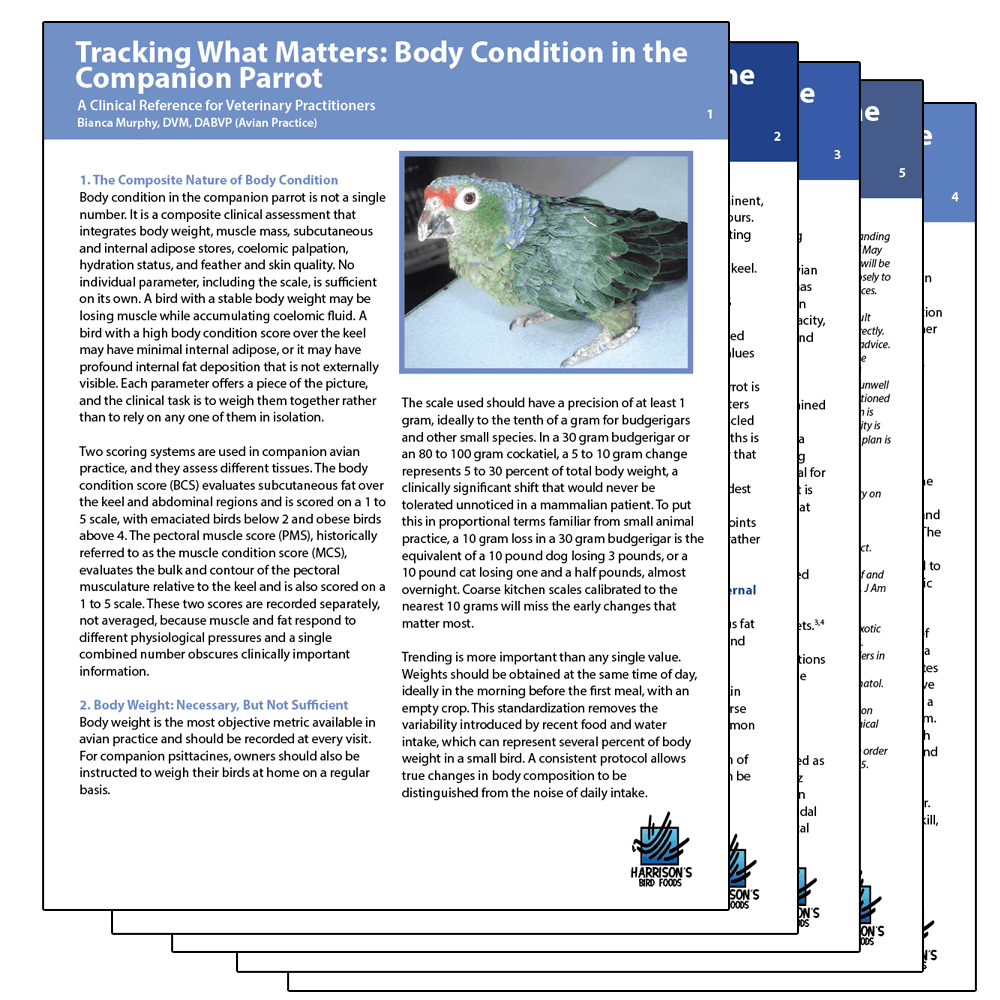
Harrison’s Bird Foods links reproductive hormones to parrot health risks
Harrison’s new avian guide says the real danger is not one breeding season but a house that keeps parrots hormonally switched on all year.
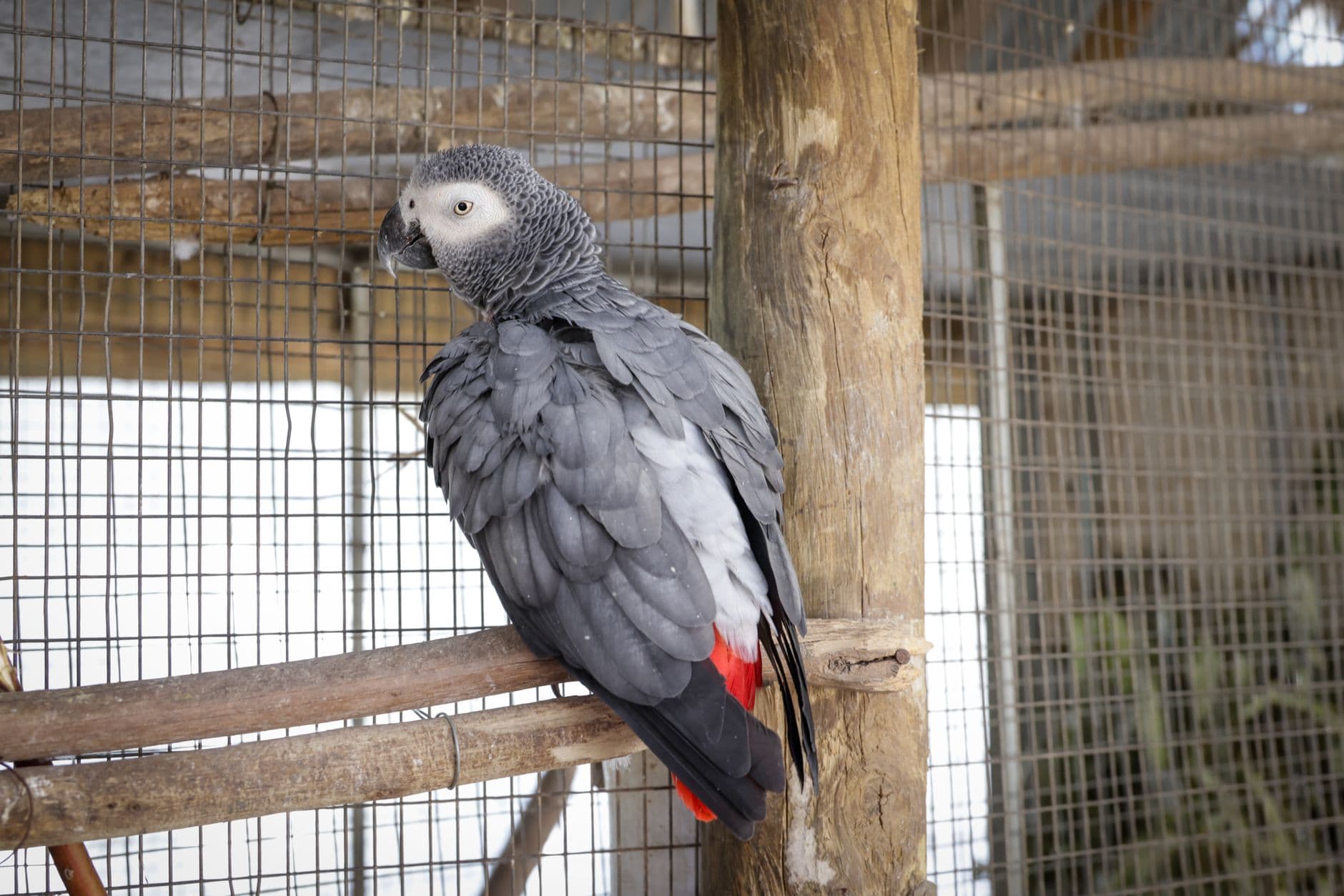
A back rub, a dark nesting corner, or bright room light can keep a pet parrot’s reproductive system active long after wild birds would have moved on.
Hormones are a health issue, not just a behavior issue
The new Harrison’s Bird Foods Learning Center reference, written by Bianca Murphy, DVM, DABVP (Avian Practice), treats reproductive activity in companion psittacines as part of the chronic disease burden in pet parrots. Repeated hormonal behavior is not just a nuisance to manage by instinct. In captivity, year-round stimulation can become a body-wide problem that affects welfare, longevity, and the way a bird moves through daily life.
Harrison’s Bird Foods ties the problem to the home environment itself: over-lit birds, overfed birds, under-stimulated birds, and birds that are overbonded to people can all stay in a reproductive state longer than they should. If a parrot keeps acting hormonal, the issue may be less about the season outside and more about the signals inside the house.
Why pet parrots get stuck in breeding mode
Wild birds usually have a specific breeding season, but captive and pet birds can breed at any time when the cues are right. Those cues include photoperiod, nutrition, and the presence or absence of a mate, or even a perceived mate such as a human or a nest box.
A companion bird does not need spring weather to start acting reproductive. A long light cycle, a rich feeding pattern, a favored person, or a nesting site can all tell the body that conditions are ready. The Merck Veterinary Manual puts sexual maturity at about 6 months in smaller birds and 3 to 5 years in larger parrots, which is why the same household cue can affect species very differently. The Merck Veterinary Manual also puts the full egg-formation cycle at about 24 hours, so birds can move through reproductive states quickly once the trigger is in place.
The household triggers to check first
The most useful prevention work starts with the routine you repeat every day. VCA Animal Hospitals and Harrison’s Bird Foods point to common triggers that fit directly into normal home habits.
- Light cycles: photoperiod is one of the main breeding cues, so bright, extended, or inconsistent light exposure can keep a bird reading the season as reproductive.
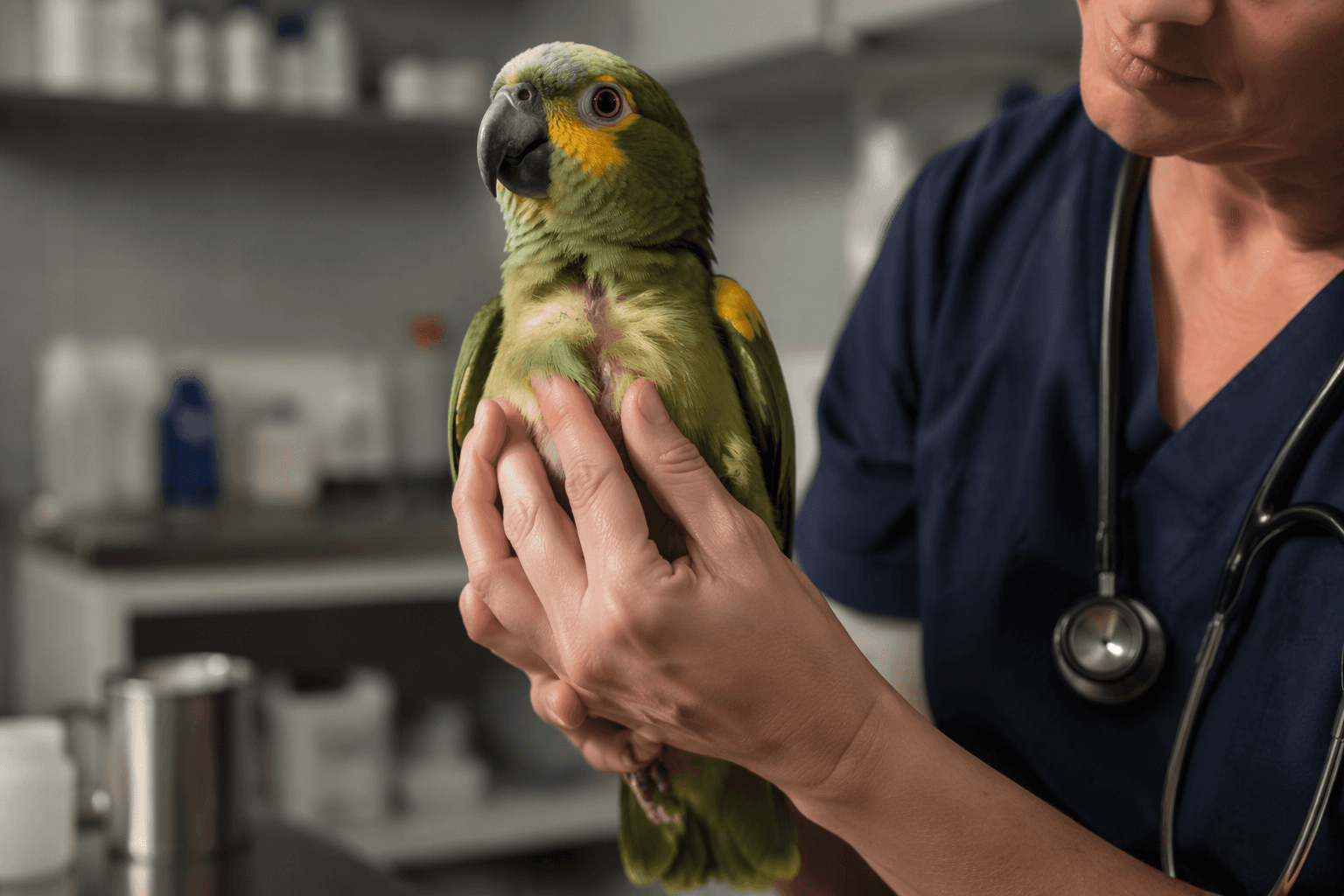
- Petting boundaries: stroking the bird on its back or pelvis can trigger breeding behavior. Keep touch to areas that do not mimic courtship.
- Nesting access: nest boxes are the obvious problem, but any spot a bird treats like a nest can keep the cycle going. If the bird keeps slipping into a favored hideout, that area needs a reset.
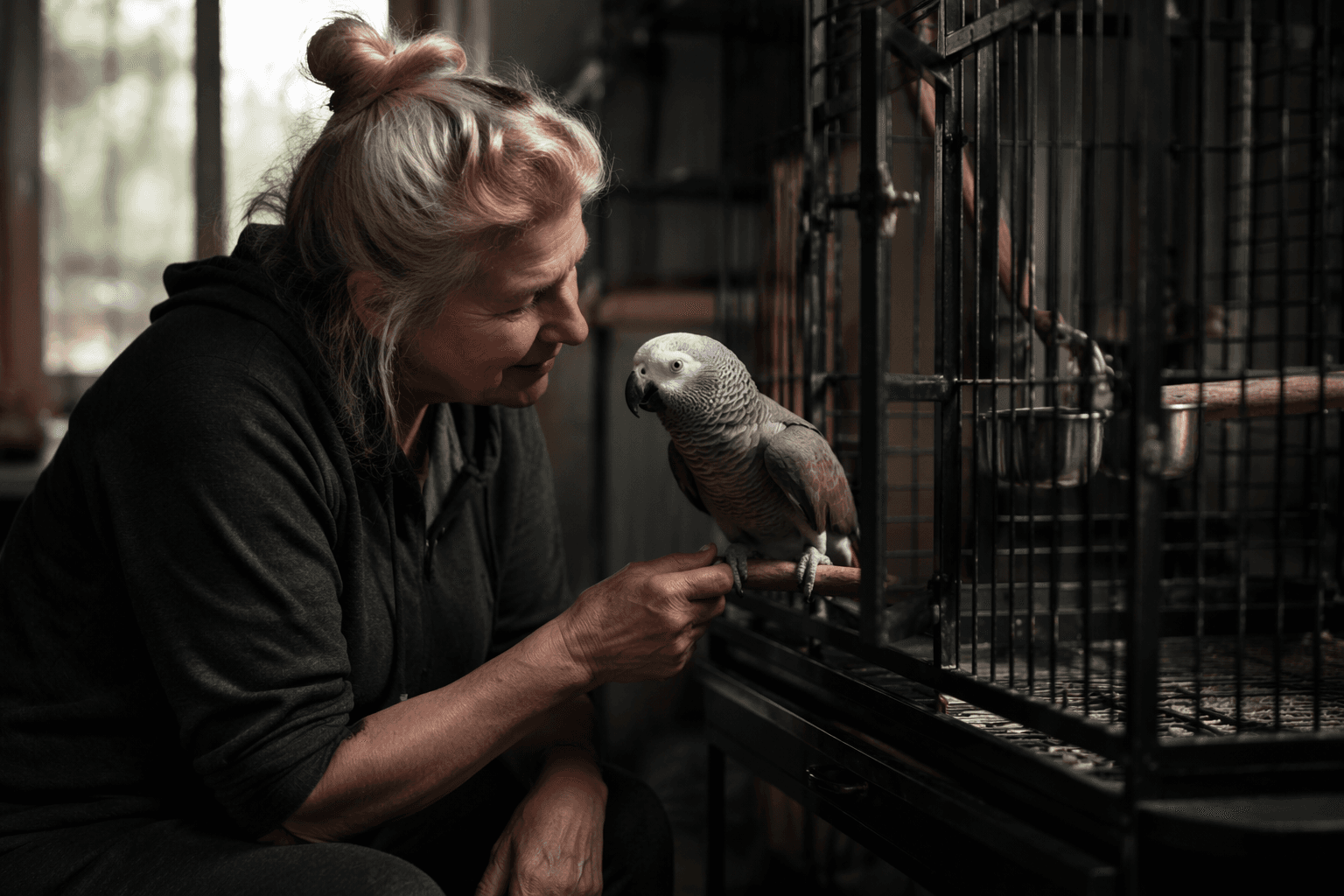
- Pair-bonding cues: a human can function as a perceived mate, and reproductive behavioral problems are most common in hand-raised parrots that are overly bonded to their owners.
- Diet: nutrition is one of the big breeding signals in pet birds, so food strategy is part of hormone control, not separate from it.
- Nearby birds: proximity to a male bird of the same species can also trigger chronic laying, which can matter in multi-bird homes or shared bird-room setups.
When hormones turn into disease
The danger of chronic stimulation is not limited to laying eggs. VCA Animal Hospitals links chronic egg laying in pet birds that live without mates and lay infertile eggs to calcium depletion, malnutrition, egg binding, and infection or inflammation of the oviduct. The Merck Veterinary Manual lists common reproductive problems in pet birds as behavioral issues, excessive egg production, egg binding, impacted oviduct, egg yolk peritonitis, cloacal prolapse, and neoplasia.
Veterinary Clinics of North America: Exotic Animal Practice also links reproductive disease to hormonally driven behavioral problems such as feather destruction, self-trauma, aggression, and masturbation.
The birds that need the closest watch
Some species are especially prone to chronic laying. VCA Animal Hospitals lists cockatiels, lovebirds, eclectus parrots, and budgerigars as common chronic layers, with Amazon parrots and macaws also affected. If a bird from one of these groups starts showing repeated nesting, mating, or egg-laying behavior, it is worth treating the pattern as a routine management issue rather than waiting for a crisis.
In single-bird homes, a bird may still lay infertile eggs without a mate. The absence of a true breeding partner does not stop the cycle. In some homes, it actually leaves the bird cycling harder because the body keeps receiving mixed signals from people, light, food, and space.
What an avian vet adds
Reproductive problems often overlap with other medical risks and can be hard to interpret without species-specific expertise. Veterinary Clinics of North America: Exotic Animal Practice reviews describe reproductive tract disease as shaped by physiologic and environmental stimuli, with medical and surgical management sometimes needed once disease is diagnosed.
If a parrot is repeatedly hormonal, remove the cues that keep the body in breeding mode and work with an experienced avian veterinarian before the cycle turns into egg binding, calcium loss, or deeper reproductive disease.
This article was produced by Prism’s automated news system from verified source data, official records, and press releases, then run through automated quality and moderation checks before publishing. The system is built and supervised by the people who set the standards it runs under. Read our full AI policy.
Did this article answer your question?