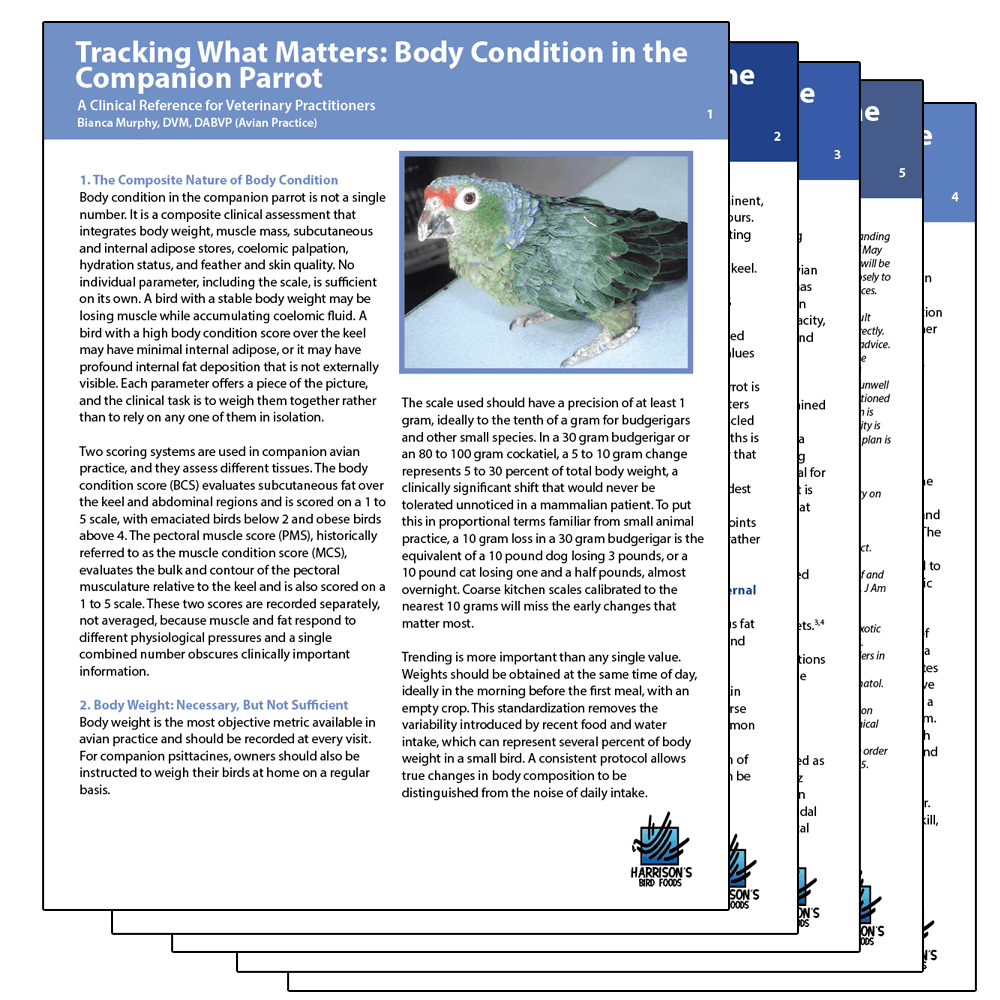
Harrison’s Bird Foods warns seed-based diets fuel fatty liver in parrots
Seed-heavy snack habits can quietly load a parrot’s liver long before the bird looks sick. Harrison’s July 8 warning puts budgies to cockatoos in the danger zone.
Hepatic lipidosis is one of the most frequently encountered liver diseases in companion psittacines, and the problem is usually diet-driven, not just about a bird being a little too heavy.
The diet mistake hiding in plain sight
Seed-based feeding is the classic setup for fatty liver disease because it is energy-dense, high in fat, and short on the nutrients a parrot’s liver actually needs, especially vitamin A, amino acids, and other micronutrients. In the wild, parrots do not live on one static food source; they eat varied diets that change with the seasons, and that low-fat variety is part of the point. A captive bird fed the same seed mix every day is getting a completely different metabolic deal.
Birds can still develop hepatic lipidosis even when they are technically eating a nutritionally complete pellet if the rest of the day is loaded with calorie-dense extras like fruits, eggs, meat, table food, and treats. That is the hidden mistake in a lot of homes: the main diet looks respectable, but the total calorie load is still too high.
Why parrots are so vulnerable
Bird livers do a lot of fat handling, so persistent dietary excess hits this organ hard. Over time, lipid builds up inside liver cells, pushing out normal structure and impairing function. In plain English: a parrot can look “well fed” on the outside while the liver is getting clogged by the inside.
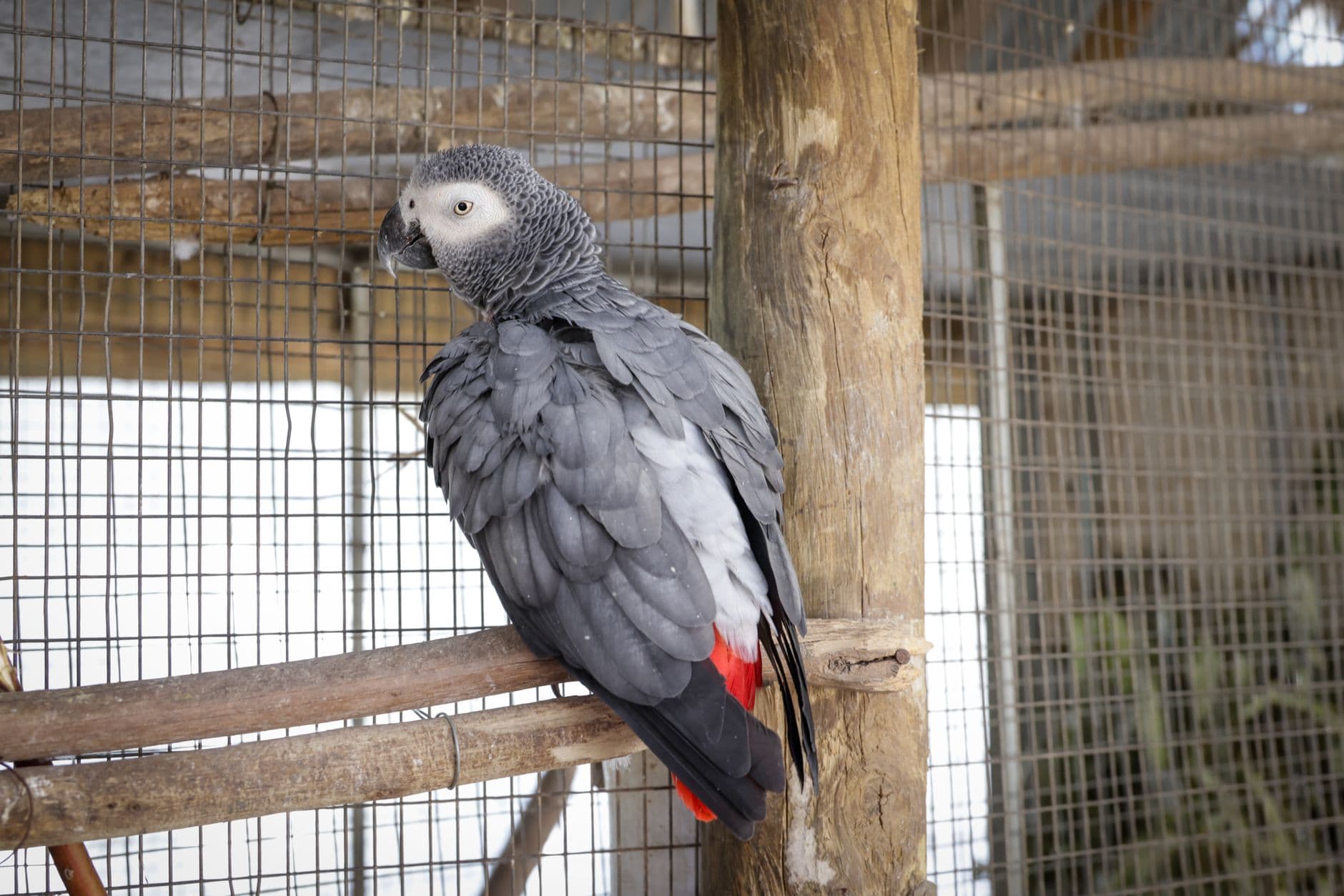
Budgerigars, cockatiels, Amazon parrots, and rose-breasted cockatoos are among the companion psittacines identified by Harrison’s.

The early warning signs are often diet clues first
The first signs are not always dramatic illness. A bird on a seed-heavy or seed-and-nut-heavy diet, especially one that also gets lots of snacks, is already in the danger lane even if it is still active and vocal. Obese birds are more prone to fatty liver disease, atherosclerosis, and right-sided heart failure, and the MSD Veterinary Manual recommends weekly weighing as part of monitoring.
That weekly scale check is practical because weight can drift long before a bird looks obviously unwell. A heavy bird is not automatically a healthy bird, and weight alone does not tell you whether the liver is being protected. If the number keeps creeping up while the bowl stays full of seeds, nuts, or rich extras, that is not “spoiled bird” behavior anymore, it is a feeding pattern with real disease risk.
- Seed and nut diets used as the main staple
- Sunflower-seed-heavy feeding
- Pellet-based diets padded with fruit, eggs, meat, table foods, and treats
- Sedentary birds that burn very little energy
- Birds that are fed the same rich mix day after day without diet review
Highest-risk patterns to treat seriously:
What the avian vet should do first
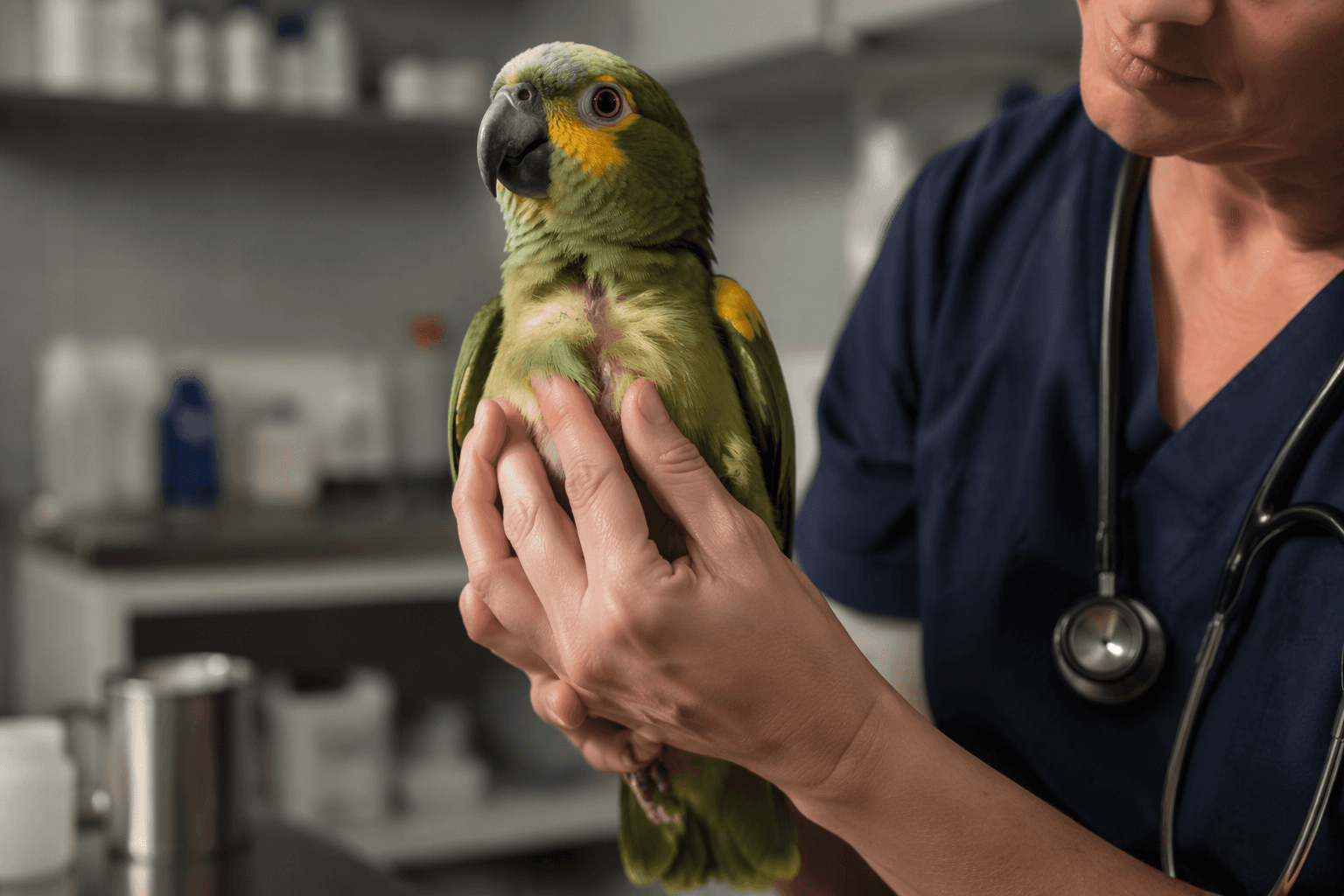
The safest first step is a real diet review with an avian veterinarian, not a guess based on how healthy the bird looks. Bring the exact foods, treats, and supplements you use, because the total intake matters more than the label on the main diet. Start from a weekly weight baseline and make the feeding plan around that number, not around hope.
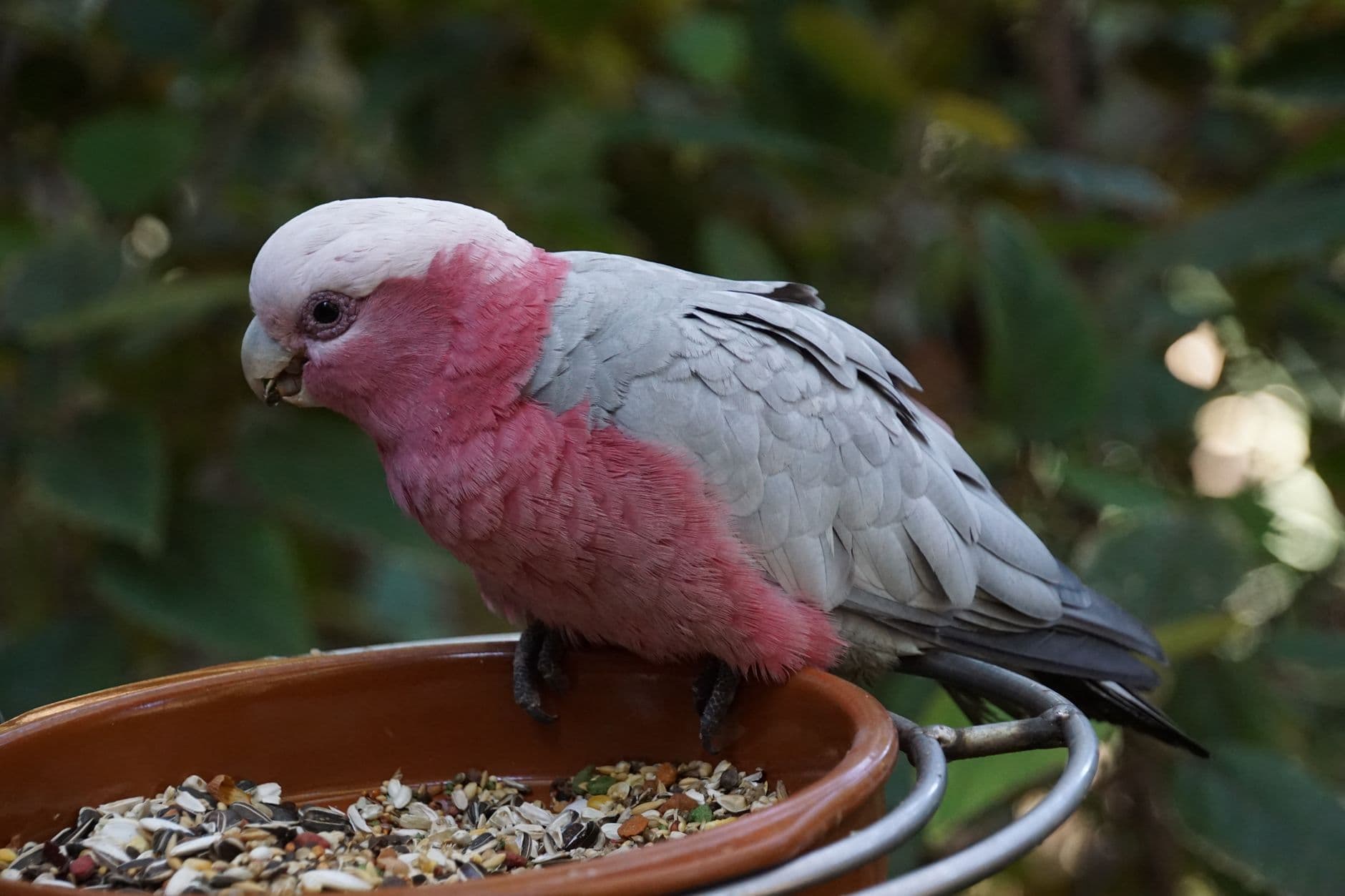
Pet birds have historically been fed high-fat, seed- and nut-based diets lacking essential vitamins and minerals, and many bird illnesses are tied to malnutrition. Pelleted and extruded diets have “tremendously improved” nutritional intake and quality of life, the Merck Veterinary Manual says.
Pellets help, but they are not a magic fix
A nutritionally complete pellet is better than a seed bowl as the foundation, but it is not a free pass to pile on fruit, nuts, and table scraps all day. Hepatic lipidosis can still happen when the total feeding plan is excessive, even if the base diet looks “complete,” Harrison’s wrote in a July 8 reference.
Captive birds, especially sedentary ones, do poorly when calories are easy and movement is limited. Prevention means a tighter total ration, fewer calorie-dense extras, and a bird that is weighed often enough to catch drift early.
The bigger metabolic picture
The MSD Veterinary Manual links seed-heavy, sedentary feeding to hepatic lipidosis, atherosclerosis, and right-sided heart failure. A peer-reviewed study in blue-fronted amazons also found that captive parrots commonly show obesity and other metabolic disorders from unbalanced diets, including sunflower-seed-heavy feeding that had to be shifted toward processed diets.
This article was produced by Prism’s automated news system from verified source data, official records, and press releases, then run through automated quality and moderation checks before publishing. The system is built and supervised by the people who set the standards it runs under. Read our full AI policy.
Did this article answer your question?