How to choose the right cage and home for parrots
A parrot’s cage can trigger pacing, freezing, screaming, or lousy sleep fast. Fix the five housing mistakes that make birds feel trapped, exposed, or on edge.
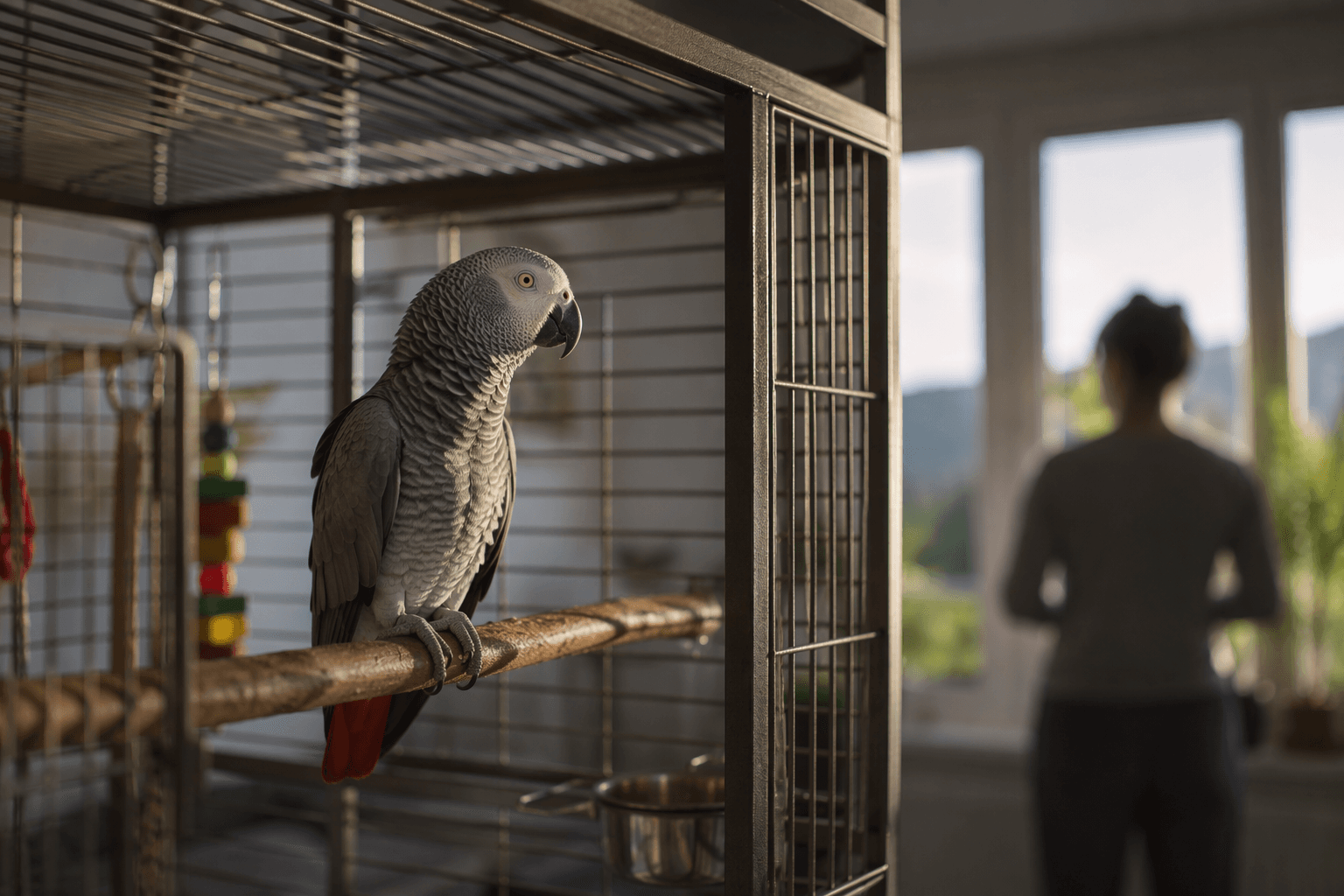
A parrot that paces the front bars, freezes when you walk by, screams at dusk, or sleeps fitfully is usually reacting to the home setup before anything else. The fastest stress reduction often starts with the cage itself: size, bar spacing, placement, and the way you arrange food, perches, and sleep time.
Fix these 5 housing mistakes first
1. Using a cage that is too small for the bird’s actual movement
VCA Animal Hospitals’ Housing Small Birds and the Merck Veterinary Manual treat cage dimensions and bar spacing as basic husbandry, not decoration. A cage is your bird’s daily living space, not a display case. Your bird should be able to climb, turn, feed, and move between perches without constantly clipping bowls or bars.
Bar spacing is not a minor detail. For smaller birds such as cockatiels and lovebirds, spacing should be no more than 1/2 inch apart to reduce the risk of head entrapment. A budgie cage is not a conure cage, and a cage that looks “fine” from across the room can still be unsafe if the spacing invites a slip or the interior is so crowded that every hop becomes a bump.
2. Putting the cage where the bird feels either isolated or exposed
Placement changes behavior fast. Bird cages should usually sit in a socially important part of the home so the bird does not feel cut off from the flock, but they should not be parked in a drafty, smoky, or kitchen-adjacent spot. Kitchens are risky because smoke, fumes, and nonstick/PTFE hazards can be dangerous to birds.
Fear Free Happy Homes makes the same point: plan cage setup before the bird even comes home. If the cage is shoved into a loud traffic lane, every footstep can keep the bird on alert. If it is tucked away in a lonely corner, you get a different problem: a bird that feels separated from the household and may answer that with screaming or restless pacing.
3. Guessing at sleep instead of building a real nighttime routine
Sleep is one of the easiest housing mistakes to miss because it looks harmless from the outside. A common recommendation is about 10 to 12 hours of uninterrupted sleep each night, but Pamela Clark, CPBC, argues companion parrots do not need 12 hours of uninterrupted sleep, total darkness, sleep cages, or dawn-dusk lighting. Your bird needs a consistent, quiet overnight rhythm that actually lets it settle.
If your bird is waking repeatedly because the cage sits beside a TV, a hallway, or a bright window, the result shows up the next day in irritability, screaming, or a bird that looks exhausted before breakfast.
4. Designing the inside of the cage like storage instead of movement space
A well-set cage makes daily care easier for you and less stressful for the bird. The right layout lets you refresh water and food, remove waste, and check the bird’s condition without turning every interaction into a wrestling match. If you have to fight bowls, squeeze past perches, or open several latches just to clean one corner, the cage is making routine care harder than it needs to be.
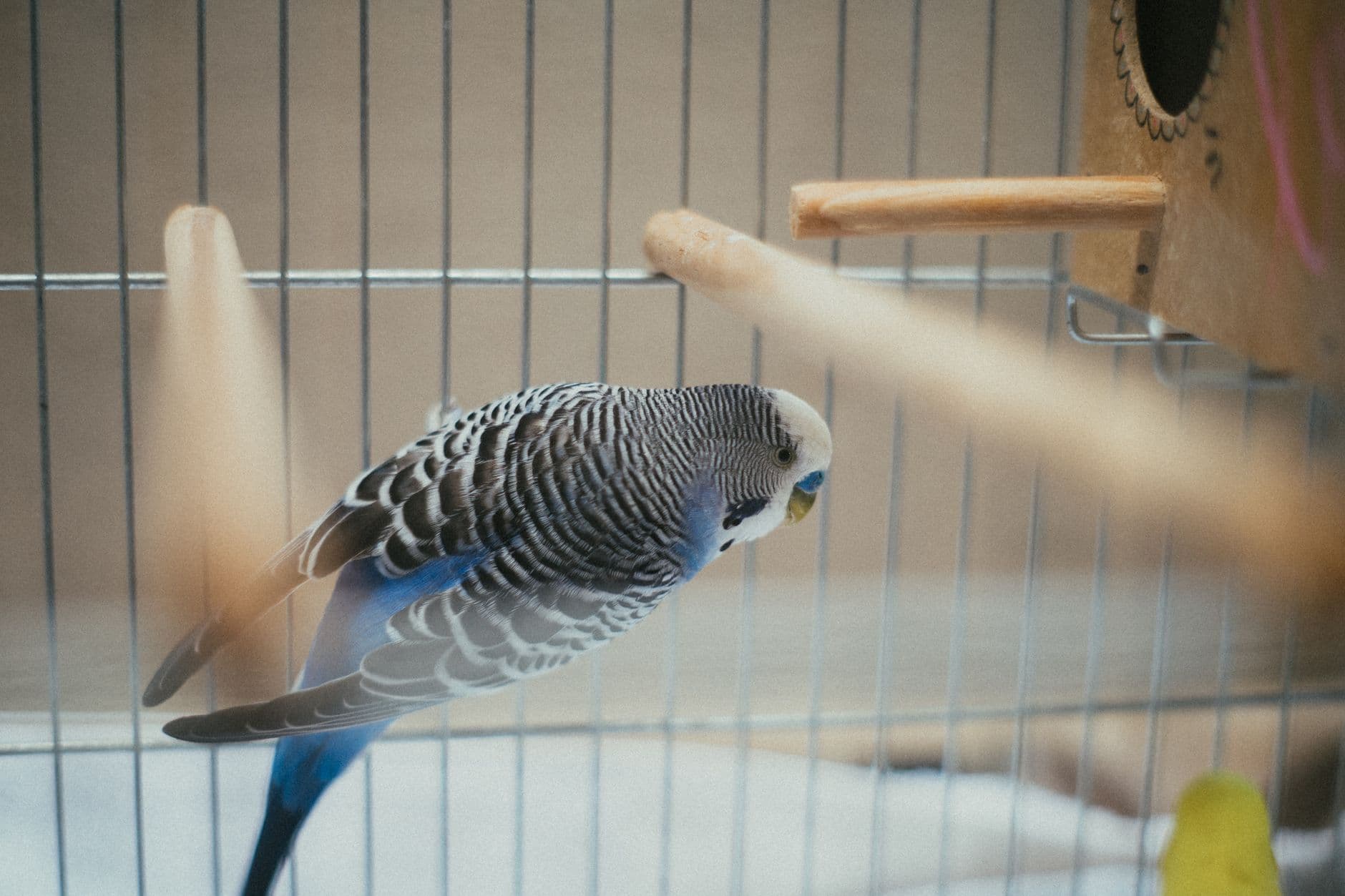
Think about the interior as a route map. Your bird should be able to move between perches without brushing into dishes, and the placement of bars, doors, and feeding stations should make access simple and secure. That kind of layout reduces falls, escape opportunities, damaged feathers, and the constant agitation that comes from living in a cramped, cluttered box.
- Can the bird turn around without hitting a bowl?
- Can you reach food and water easily?
- Are perches secure and spaced for climbing?
- Does the cage open cleanly, without a struggle at every refill?
A quick audit helps:
5. Waiting to plan the home until after the bird is already stressed
A 2004 parrot rescue and sanctuary standards document from The Gabriel Foundation treated cage housing as a welfare issue. The Avian Enrichment and Fear Free approach treats layout, backing, and perches as ways to help a bird feel safer before training ever starts. A cage with one side backed against a wall can feel less exposed than one sitting in the middle of a room, and that small change can matter for a bird that startles easily.
Plan the cage, the room, the sleep routine, and the interior layout before the bird is home.
This article was produced by Prism’s automated news system from verified source data, official records, and press releases, then run through automated quality and moderation checks before publishing. The system is built and supervised by the people who set the standards it runs under. Read our full AI policy.
Did this article answer your question?