How to Help Shy, Traumatized Parrots Rebuild Trust Slowly
Shy parrots recover through predictability, not pressure: read fear signals, build a safe retreat, and count tiny wins instead of forcing touch.
Start with trust, not touch
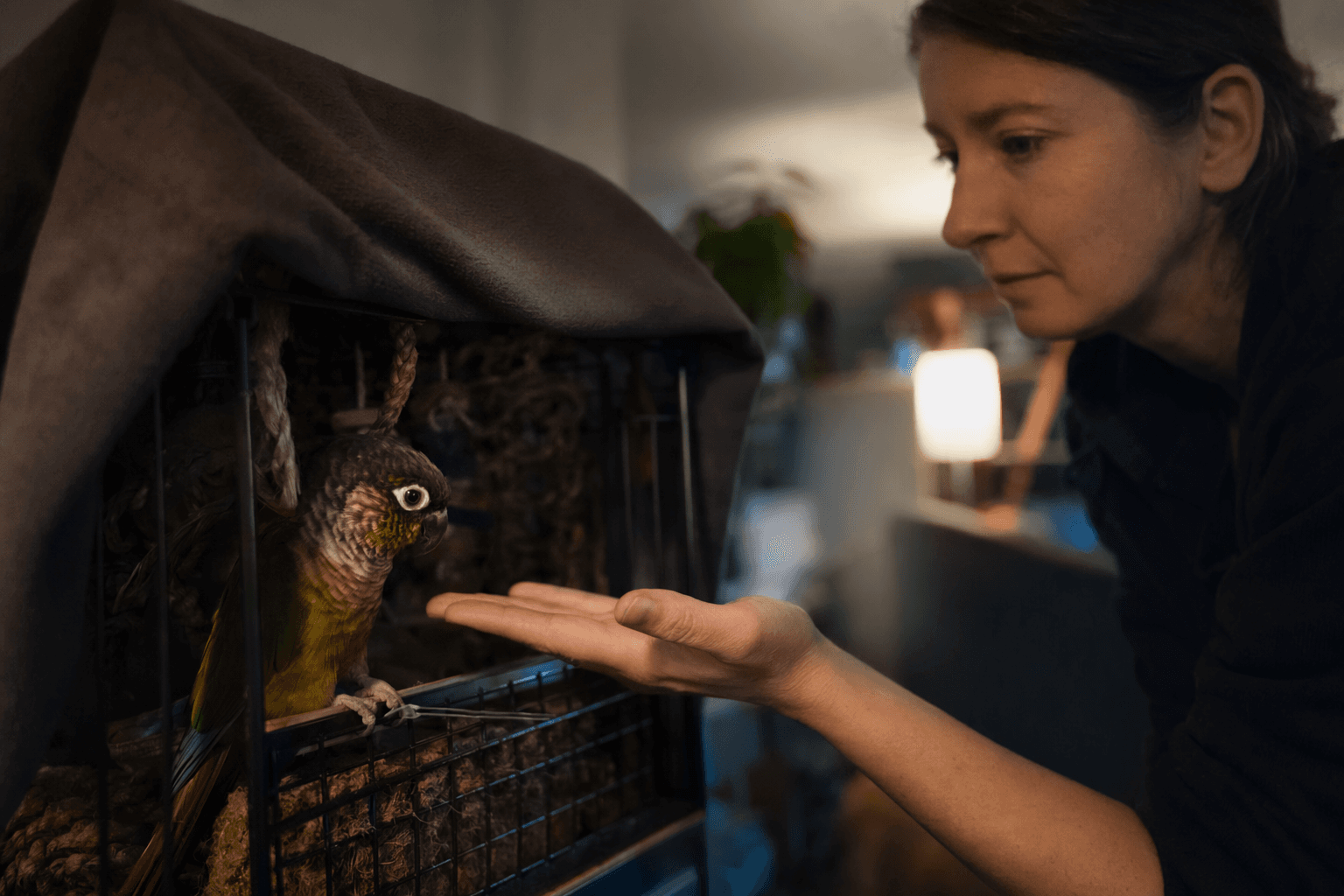
A frightened parrot is not refusing you, it is telling you the room still feels unsafe. That is the whole shift here: rebuild confidence the way you would after a bad scare, with routine, patience, and a setup that lets the bird choose contact instead of endure it. In Parrot Care Central’s example of Kiwi, a once-timid Green-cheeked Conure, and Sage, a rescued African Grey, progress came from consistency, not from trying to rush a bond into existence.
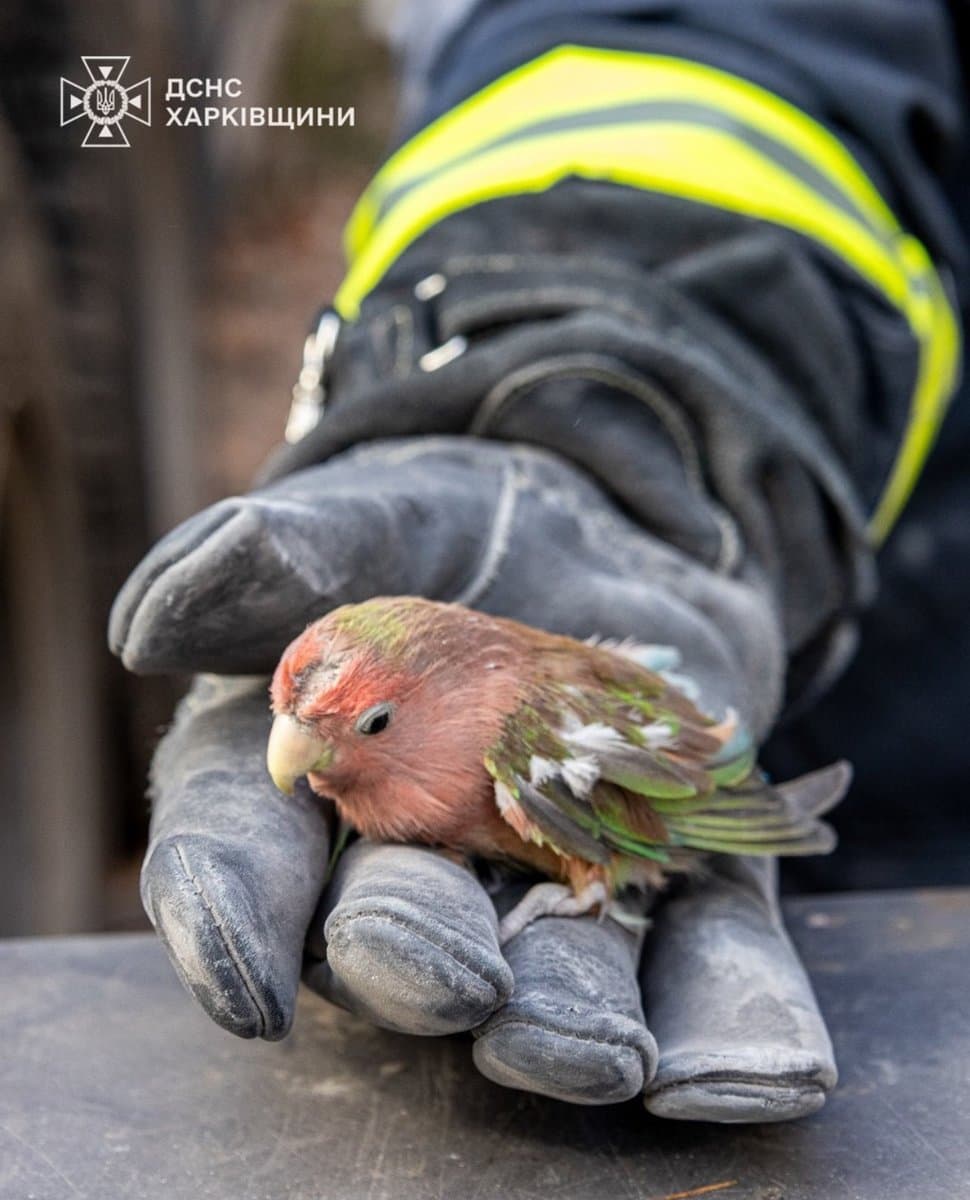
That matters especially for rehomed parrots and rescue adoptions, where the bird may already have learned that hands mean pressure, chasing, or a loss of control. The Association of Avian Veterinarians describes itself as a global professional organization focused on avian health, welfare, and conservation, and its recent behavior-focused symposium at North Carolina State University, which drew about 85 attendees and featured Dr. Jan Hooimeijer and Dr. Irene Pepperberg, reflects the same basic lesson: parrots are intelligent, social animals, and trust has to be earned in a way their nervous system can actually tolerate.
Read fear before you reach for the bird
The first skill is not training, it is reading body language. Fear Free tells bird caregivers to watch closely for signs of fear, anxiety, and stress, and that advice should sit at the front of every interaction with a shy bird. A frozen posture, sudden stillness, leaning away, pinning, crouching, or avoiding eye contact are not quirks to override; they are the bird’s warning system.
Cornell University College of Veterinary Medicine’s Behavior Medicine Service treats fears and phobias as emotional disorders in companion animals, which is exactly the right frame for a traumatized parrot. You are not dealing with stubbornness, and you are not looking for obedience first. You are looking for the moment the bird starts to feel predictable enough to lower its guard for a second, then for a few seconds more.
Make the cage and play area feel like a retreat
A safe cage is not a holding pen. It is the bird’s retreat, the one place in the house where nothing surprising should happen, and that difference is everything for a scared parrot. If the cage is where grabbing, cornering, or sudden rearranging happens, then the bird learns to brace every time you walk by.
Set the cage and play area up so movement around them is calm and repeatable. Keep the same feeding times, the same approach pattern, and the same tone of voice, because predictability lowers anxiety triggers. For many traumatized parrots, the breakthrough is not that they suddenly love hands, but that they stop anticipating the next bad thing every time the room changes.
Use gradual reinforcement, not forced socialization
The guide’s central strategy is gradual positive reinforcement, and that is the right tool for this job. Treats and toys are not bribery here, they are proof that brave behavior gets rewarded without pressure. A bird that steps toward a perch, accepts a treat through the bars, or stays relaxed while you sit nearby is making real progress, even if nobody is asking for a step-up yet.
Sudden, abrupt entry and handling can overstress parrots in clinical settings, and avian veterinary commentary has stressed that point for years. That same caution belongs in the home. The 2023 American Veterinary Medical Association study on 22 Hispaniolan Amazon parrots found that handling and restraint increased plasma corticosterone over one hour, which is a hard reminder that routine human contact can still be a major stressor for a bird that is not ready for it.
What progress actually looks like, week by week
Week 1: safety first
In the first week, the win is not interaction, it is reduced tension. The bird may stop flattening against the back of the cage when you enter the room, may start eating in your presence, or may tolerate you sitting nearby without freezing. That is progress because the parrot is beginning to predict your movements.
Week 2: predictable contact
By the second week, you are often looking for small, repeatable choices. A shy bird may take a favored treat through the bars, orient toward your voice, or stay on a perch instead of bolting away when you move slowly. These are tiny behaviors, but they tell you the bird is starting to connect your presence with something safe.
Week 3 and beyond: confidence builds in layers
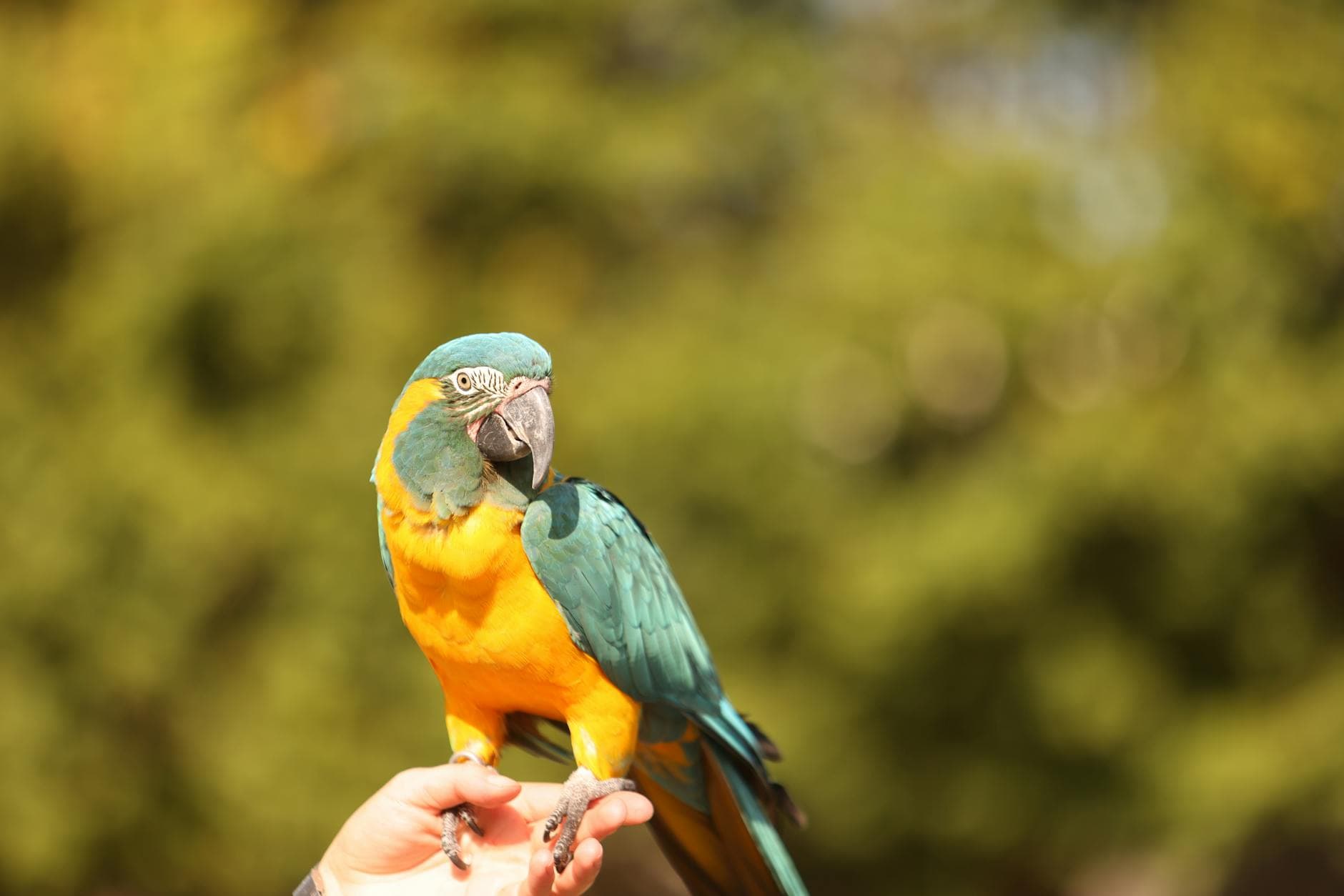
Later, confidence may show up as exploration, more vocalizing, or brief interest in a play stand outside the cage. The important part is that the bird still has an escape route and does not need to be cornered to participate. If the bird is willing to approach, then retreat, and approach again, that back-and-forth is healthier than any fast win that leaves it shut down the next day.
Do not confuse pressure with progress
The biggest mistake with shy or traumatized parrots is treating speed as success. A bird that submits to handling after being pushed is not necessarily feeling safe, and that false confidence often backfires once the bird realizes it has no control. The result can be a bird that bites harder, retreats deeper, or stops engaging altogether.
A better goal is reliability. If the bird can predict what happens next, the bird is more likely to engage. That is why environmental enrichment matters too: AAV commentary has noted that enrichment reduced fear responses to unfamiliar human handlers in young Amazon parrots, which is a useful reminder that safe novelty, introduced slowly, can support recovery instead of undermining it.
The real measure of recovery
The bird is rebuilding trust when it chooses to stay near you without bracing, when it accepts a reward without panic, and when the cage stops functioning like a trap in its mind. That kind of confidence does not arrive on a schedule, but it does arrive when the bird’s environment, handling, and daily routine all say the same thing: nothing bad is about to happen here. For rescued parrots, that is not a side note to training, it is the training.
This article was produced by Prism’s automated news system from verified source data, official records, and press releases, then run through automated quality and moderation checks before publishing. The system is built and supervised by the people who set the standards it runs under. Read our full AI policy.
Did this article answer your question?