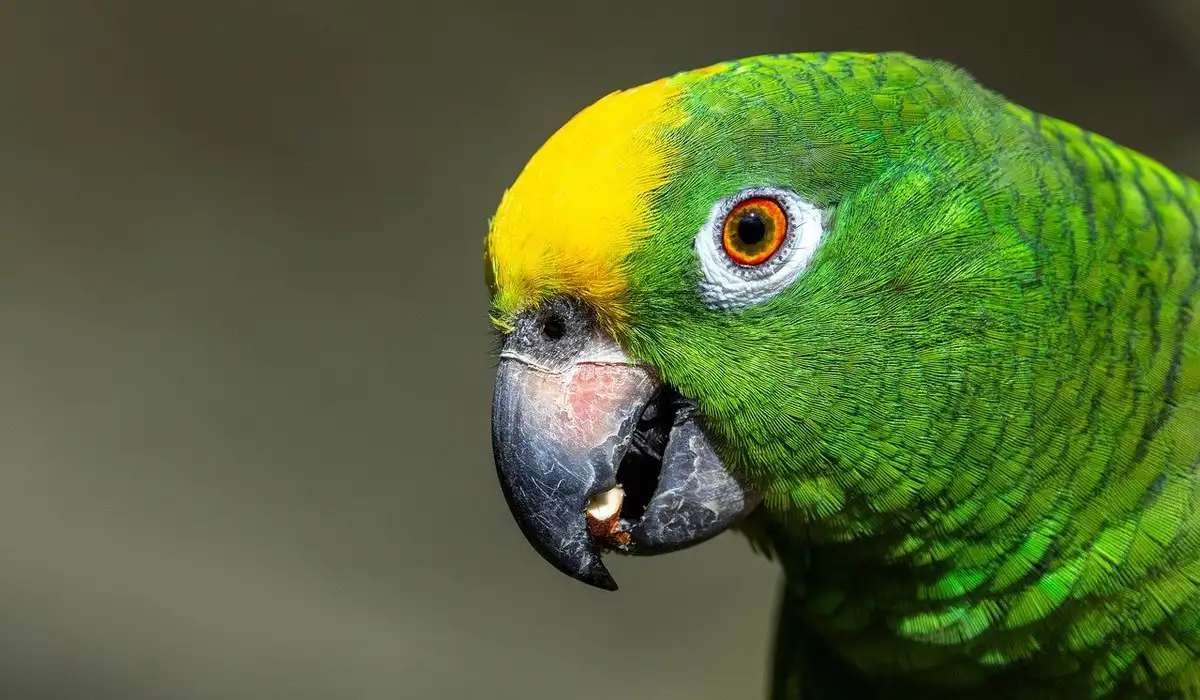
Lost green-cheek conure Oliver spotted in berry trees, Whitestown search continues
A quick step to let the dog out sent Oliver, an 8-year-old yellow-sided green-cheek conure, into Whitestown trees, where berry cover briefly hid him.
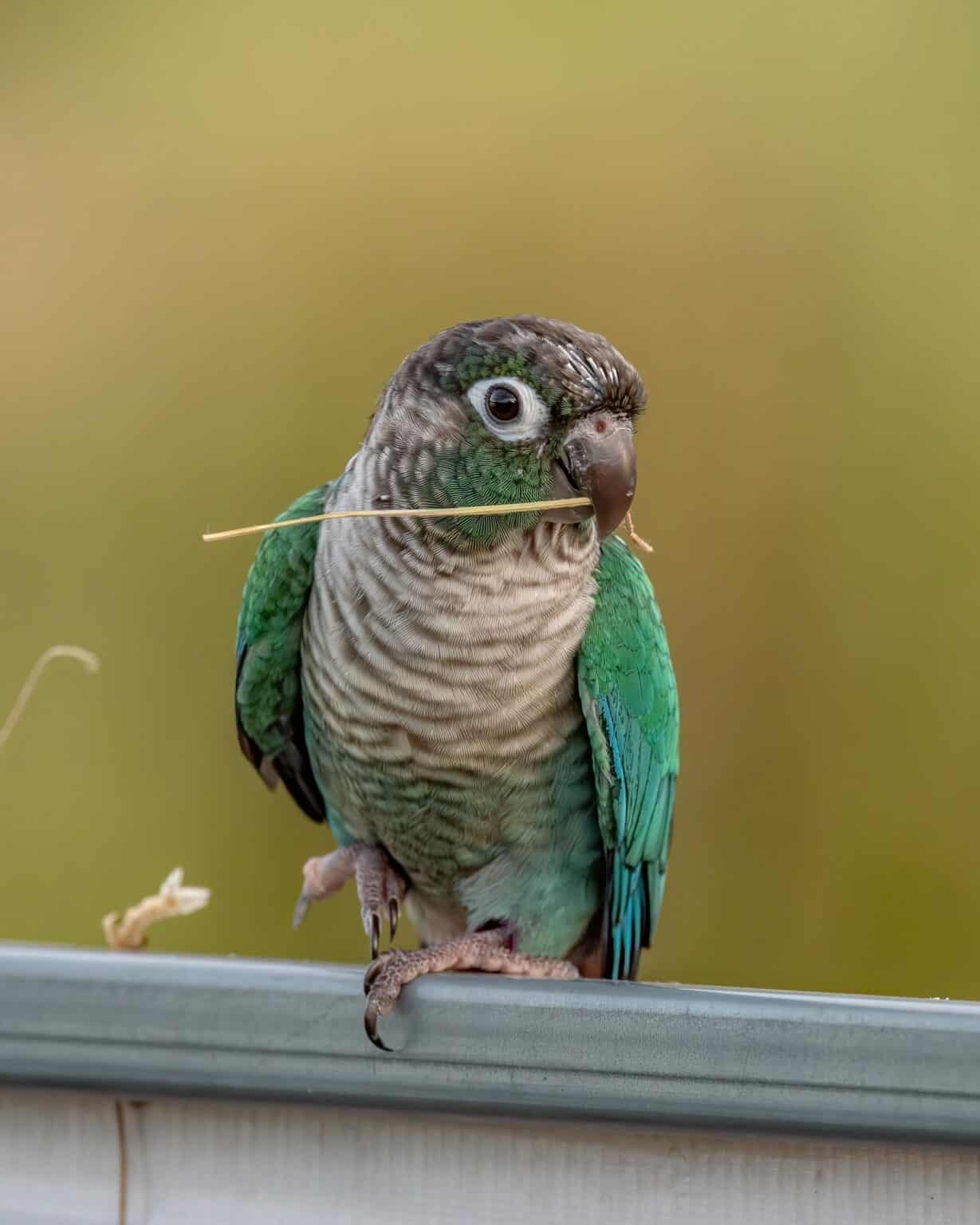
A routine step to let the family dog out turned into an escape in Whitestown, Indiana, when Oliver, a yellow-sided green-cheek conure, flew outside on June 2. The family had moved to Whitestown only three days earlier, leaving the search to begin in a neighborhood they were still learning, with few familiar landmarks and no long-established routine for neighbors to recognize.
Oliver’s listing said the bird was briefly found in a group of berry trees before being lost again, a detail that suggests he was still moving through the area and using cover and food sources as he searched for a perch. The bird is 8 years old, talks, and is banded but not microchipped, which makes a clear sighting, a photo, or a close look at the band especially important if someone spots him.
The case fits the way green-cheek conures behave outdoors. They are small parrots, typically about 10 inches long and weighing around 60 to 80 grams, and they are native to South America. In the wild, they live in flocks and stay alert to movement, so a sudden burst of noise, a person approaching, or a pet in the yard can push one bird farther than an owner might expect. Their quick flight and compact size also make them easy to lose in tree canopies, hedges, and dense berry growth.
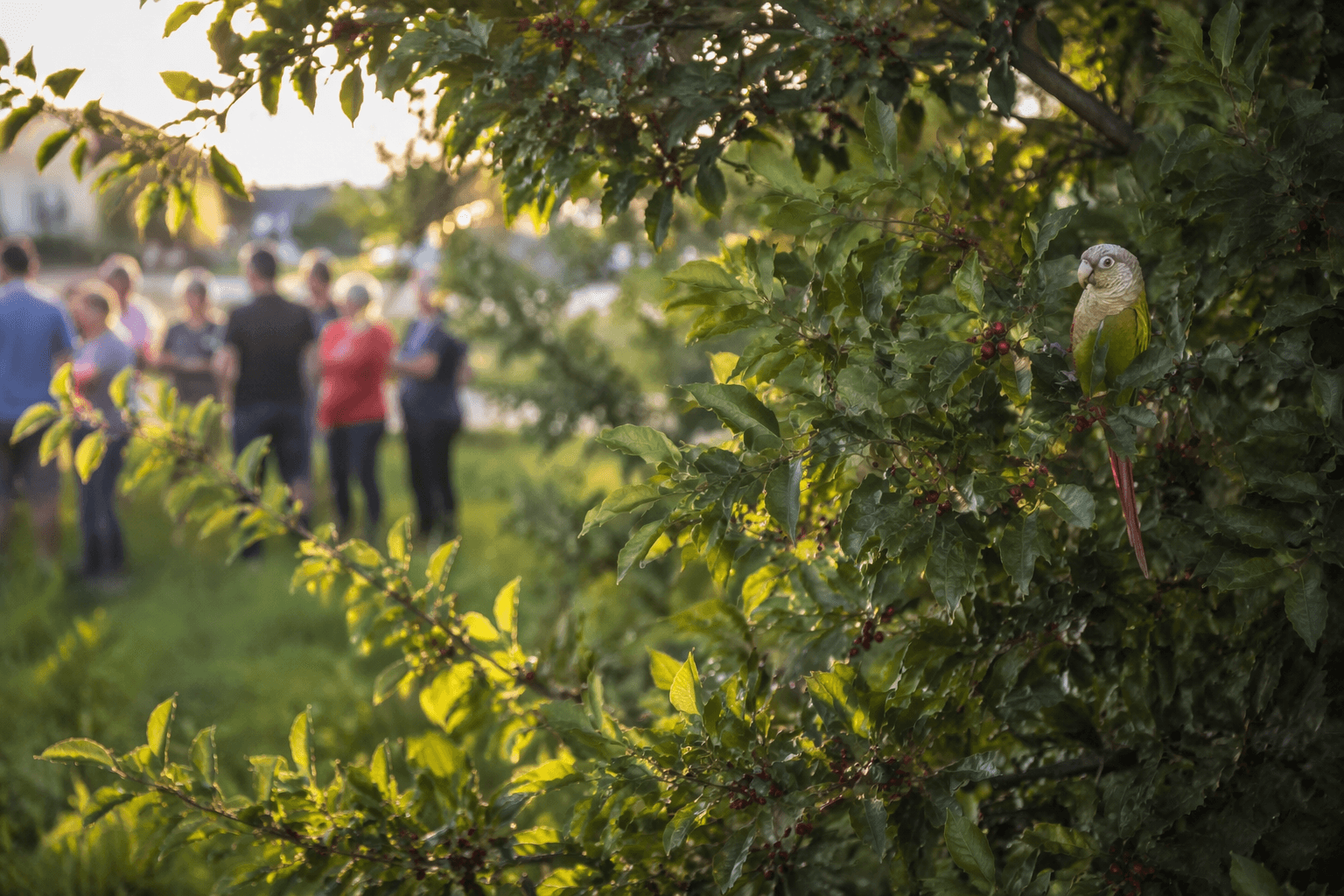
Oliver’s alert was posted through 911 Parrot Alert, which says it was established in 2003 as an international registry and central database for lost, stolen, found, and sighted companion birds. The listing underscores how fast these searches can hinge on public notice: an escaped conure may not travel far at first, but it can vanish into cover within minutes, especially in a new subdivision where residents do not yet know the bird, the house, or the owner’s voice.
Veterinary and bird-rescue guidance says the first response after an escape matters most. Search the immediate area, put the cage, food, and water outside, and use familiar sounds or calls to try to draw the bird back. Oliver’s brief stop in the berry trees showed exactly why that speed counts: once a conure finds cover in a brand-new neighborhood, the search can stretch far beyond the first yard.
This article was produced by Prism’s automated news system from verified source data, official records, and press releases, then run through automated quality and moderation checks before publishing. The system is built and supervised by the people who set the standards it runs under. Read our full AI policy.
Know something we missed? Have a correction or additional information?
Submit a Tip