Parrot care guide weighs boarding, sitters and in-home care for travel
The real travel question is whether your parrot should stay home, with a sitter, in boarding, or on the ground entirely until the trip makes sense.
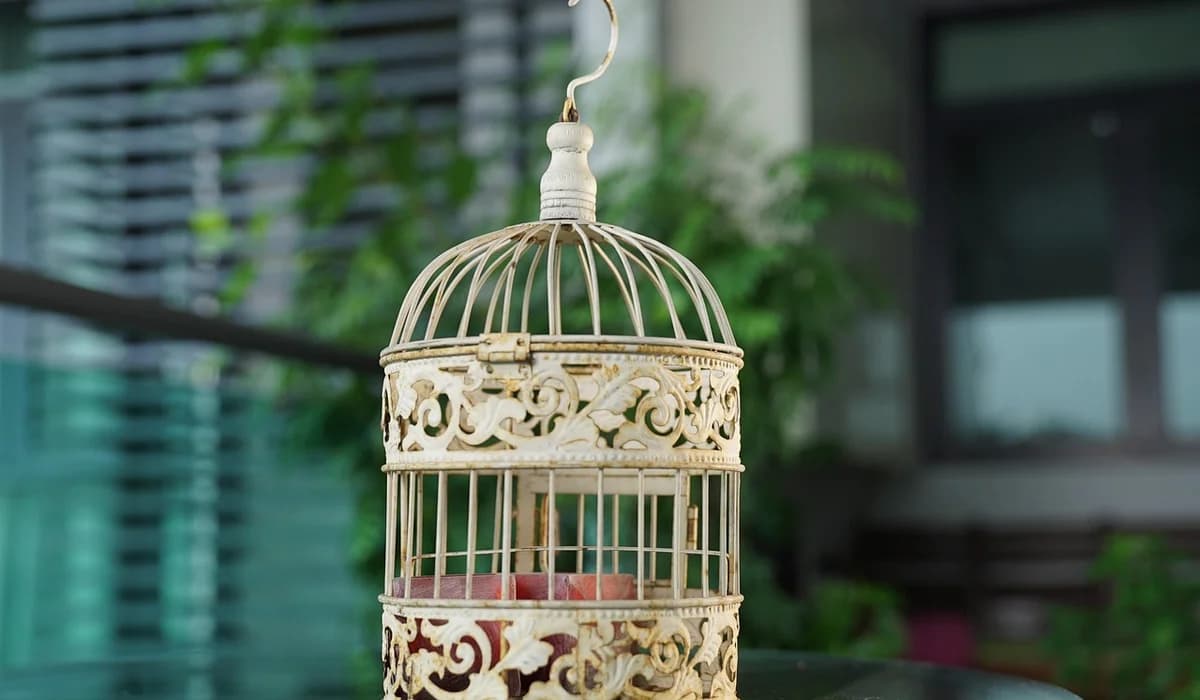
The safest travel plan for a parrot is not always a travel plan at all. Before you pack the carrier, the better question is whether your bird would be less stressed, and better protected, by staying home with a caregiver, moving into bird-specific boarding, or postponing the trip outright. That decision is not just about convenience. It can affect routine, paperwork, sleep, enrichment, and even whether your bird faces avoidable health risks.
Start with the question: should your parrot travel at all?
The American Veterinary Medical Association says owners should actively consider whether an animal can and should travel before assuming the pet will come along. It also points owners toward alternatives such as boarding and pet sitters, which is exactly the right starting point for parrots, since travel is often the most disruptive option, not the default one. For some trips, the right answer is simple: if the bird is safer at home, keep the bird at home.
That advice matters even more because travel can come with official requirements and restrictions. Depending on where you are going, countries, states, territories, and even transportation systems may require a certificate of veterinary inspection, and some travel may also call for an acclimation certificate signed by a federally accredited veterinarian. The AVMA says some preparations for interstate or international travel may need to begin six months or more in advance, which means the decision has to happen long before the suitcase comes out.
Match the care option to the trip, the bird, and the stress risk
A short trip and a bird that handles change well may point toward in-home care. Keeping your parrot in a familiar cage, in a familiar room, with someone trusted checking on food, water, noise, light, and routine can reduce the shock of separation. That option can be especially useful when the bird is deeply attached to its usual setup and does not cope well with new people, new smells, or new rooms.
Bird-specific boarding can make more sense when the trip is longer, the home environment will be empty for days at a time, or the bird needs hands-on supervision that a friend or neighbor cannot provide. The key is not just a place that accepts birds, but a setup that understands birds. Parrots have different welfare needs, and the RSPCA notes that some can live for more than 50 years, which raises the stakes for every temporary care choice you make.
Postponing travel is sometimes the kindest option of all. If the journey is complex, the paperwork window is tight, or your parrot is already prone to stress, delaying the trip may be safer than forcing a rushed arrangement. That is especially true when your bird is sensitive to change, because stress can show up in behavior long before it becomes a visible medical problem.
Do not treat “away from home” as “cared for”
Parrots are not low-maintenance animals that can simply be fed and left alone. The RSPCA says they need environments that let them fly, climb, perch, hide, feed, and roost, and it frames enrichment as essential to a bird’s life. That means your plan for time away has to preserve more than survival basics. Food and water are the floor, not the finish line.
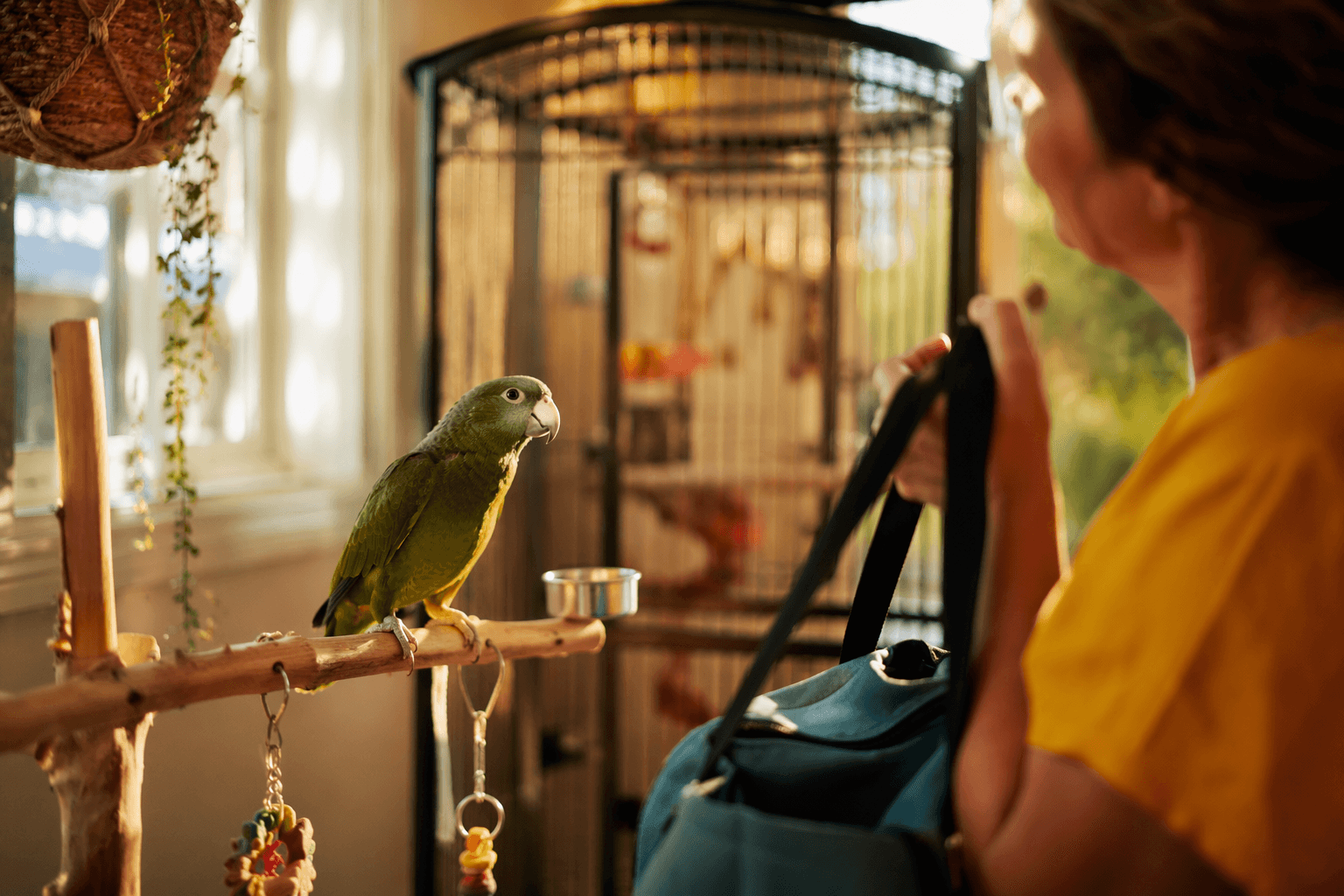
Climbing and movement matter too. The RSPCA says parrots often love climbing and can be encouraged with ladders, ropes, nets, and bird-safe branches. Daily opportunities to fly freely also matter where it is safe and appropriate, because a bird that cannot move, explore, and occupy itself is a bird that can quickly grow frustrated.
Sleep is another overlooked part of the equation. The RSPCA warns that parrots are prey species whose sleep can be easily interrupted by light and noise, and that inadequate sleep can contribute to stress and behavioral changes. A good sitter or boarding arrangement should protect quiet, darkness, and consistency, not just dispense meals on time.
Put health planning in the schedule before the trip is on the calendar
The Association of Avian Veterinarians says companion birds should receive regular checkups, and that avian veterinarians play a vital role in monitoring bird health. That makes a pre-trip veterinary conversation smart even when the bird seems perfectly fine. If you are deciding between in-home care and boarding, a vet who knows your bird can help you think through how much change your parrot can realistically handle.
Emergency planning should also be written down before you leave. The AVMA recommends authorization forms for pet sitters, boarding services, and veterinary clinics so care can move forward without delay if something goes wrong while you are away. That paperwork can matter just as much as the travel documents, because the person looking after your bird may need permission to act fast.
A practical checklist for choosing the best option
Before you book anything, run through this quick filter:
- If the trip is brief and your parrot hates change, in-home care may preserve the most routine.
- If the trip is longer or the home will be empty, bird-focused boarding may offer better oversight.
- If your bird is already stressed, fragile, or highly reactive to new people, consider postponing travel.
- If travel is unavoidable, check whether you need a certificate of veterinary inspection or other requirements.
- If the trip crosses borders or involves regulated transport, build in the possibility of a six-month planning window.
- If the caregiver is not you, make sure enrichment, quiet, and sleep are part of the plan, not extras.
The real measure of a good travel decision is not how easily it fits your schedule. It is whether it protects the bird’s routines, health, and comfort while you are gone. For a parrot, the kinder choice is often the one that keeps the carrier in the closet and the home base intact.
This article was produced by Prism’s automated news system from verified source data, official records, and press releases, then run through automated quality and moderation checks before publishing. The system is built and supervised by the people who set the standards it runs under. Read our full AI policy.
Know something we missed? Have a correction or additional information?
Submit a Tip