Parrots vs crows, what their vocal abilities mean for owners
Parrots usually outclass crows at speech mimicry, but the real lesson for owners is more practical: species, socialization, and reinforcement shape every vocal outcome.
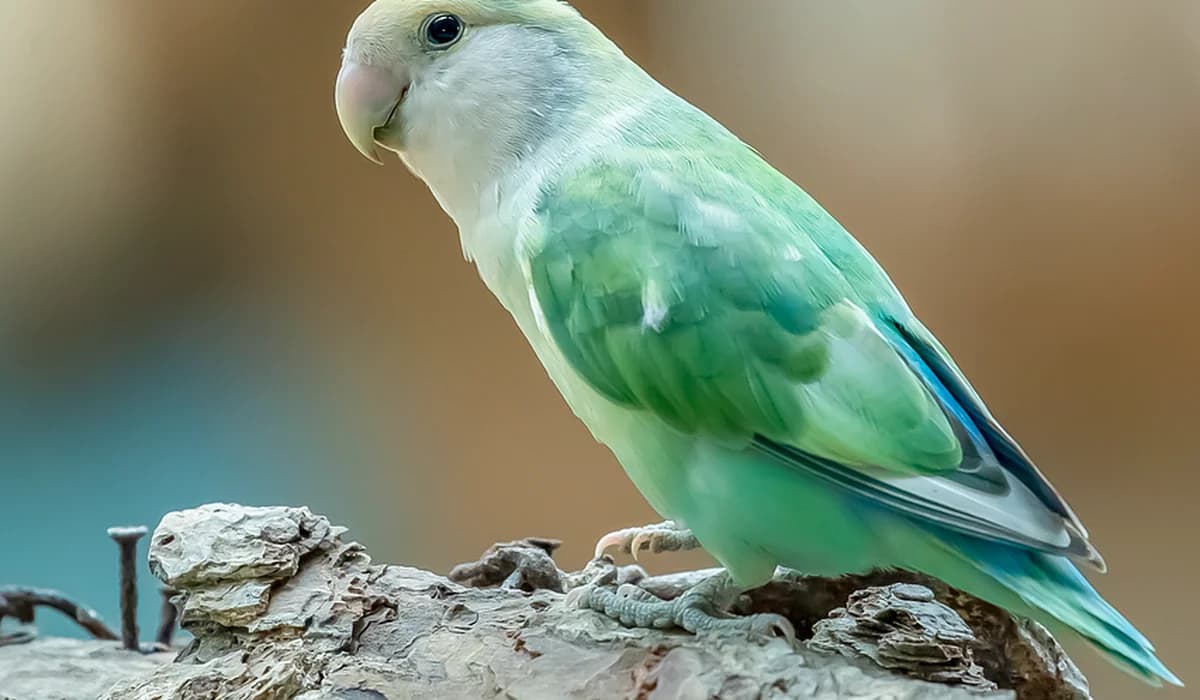
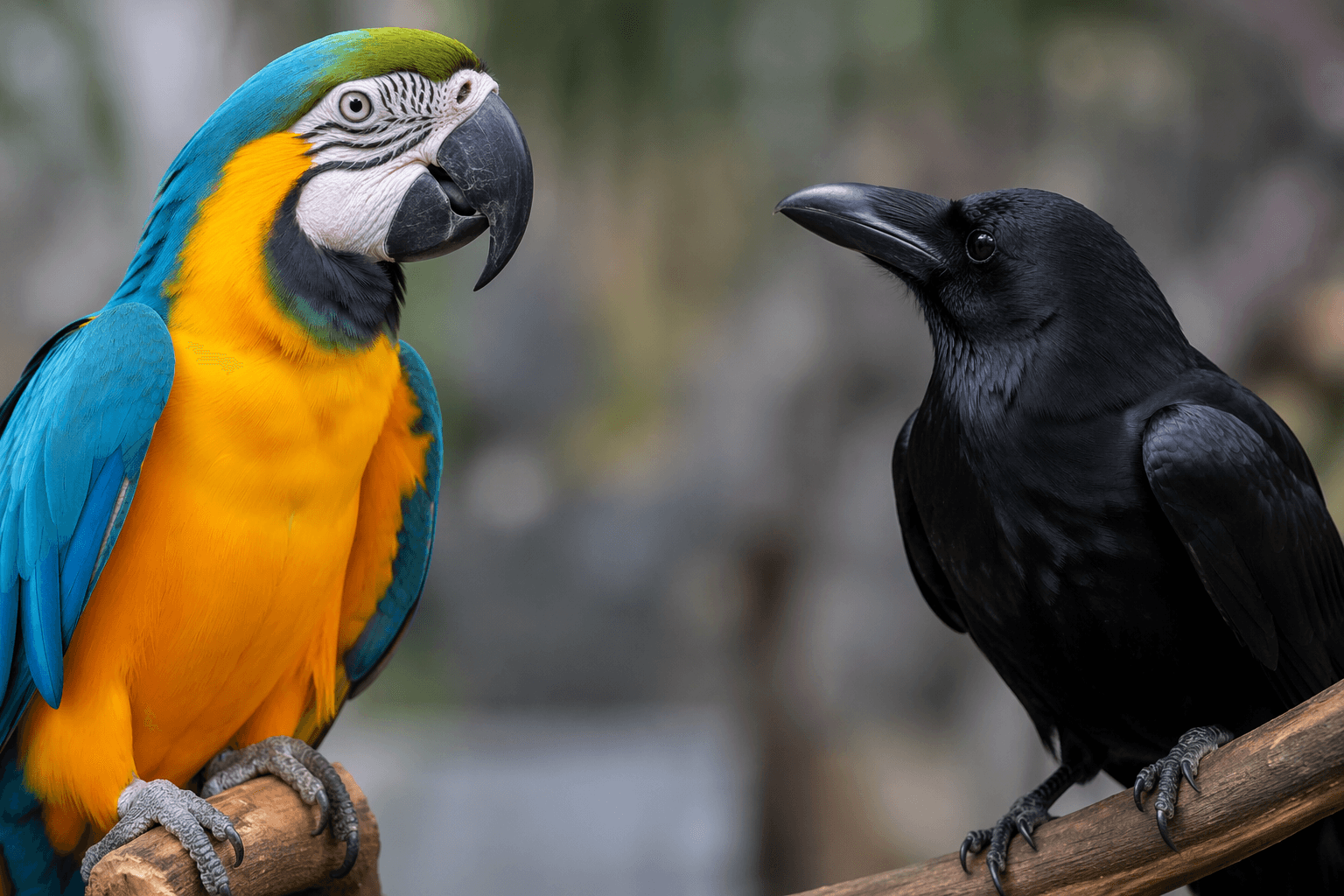
Put a parrot and a crow side by side, and the temptation is obvious: who talks better, who is smarter, who wins the bird-nerd bragging rights. The useful answer is narrower and more important. Parrots are the stronger speech mimics, but that does not mean every parrot becomes a chatterbox, and it does not mean a crow is somehow a lesser bird. What the comparison really teaches is how much species biology, social learning, and day-to-day reinforcement shape the voice you hear at home.
Why parrots are the standard for speech mimicry
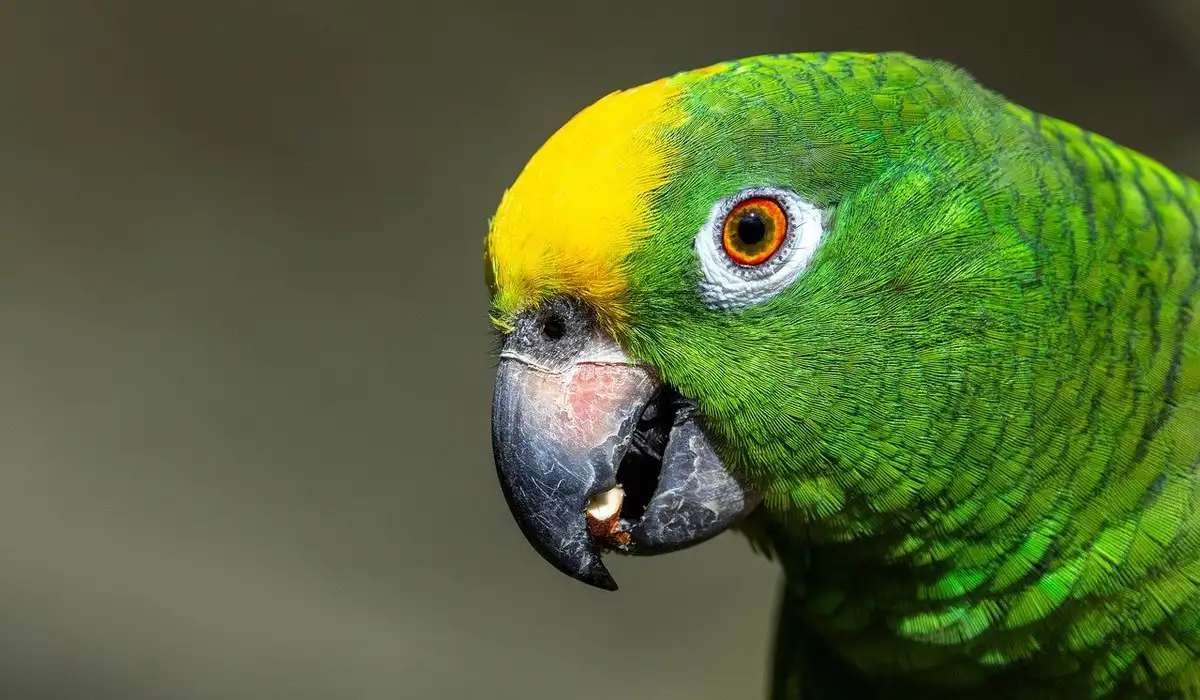
Parrots are the best-known human-speech mimics among birds that can imitate human speech, and that reputation is not just folklore. Audubon describes parrots as vocal learners, while Britannica points to their advanced vocal learning abilities, which let them mimic sounds and speech. In budgerigars, a 2025 Nature study found that neurons in the AAC region form a functional vocal motor map that reflects the spectral properties of vocalizations, with commonalities to human speech motor cortex. In plain owner terms, parrots are built with a brain and voice apparatus that make copying sound a natural part of who they are.
That still does not turn every parrot into a guaranteed talker. It means speech is part of a wider vocal toolkit, not the whole story. Owners who understand that distinction are usually the ones who set better expectations, reward the sounds their bird actually likes to make, and avoid treating silence as failure.
Why crows belong in the conversation, but not in the same lane
Crows are not blank slates or dull comparisons. Cornell describes American crows as large, intelligent birds with hoarse, cawing voices, and Kevin McGowan has studied them in the Ithaca area since 1988. Cornell also notes that American crows are cooperative breeders, and young birds often stay with their parents for years, which fits a species built around long family learning rather than solo performance.
That said, the crow and the parrot are not doing the same vocal job. Audubon notes that crows and ravens can mimic human speech, but parrots remain the strongest human-speech imitators among birds that can imitate speech, including mynah birds, crows, and ravens. So yes, crows belong in any serious conversation about avian intelligence and sound learning. No, that does not make them interchangeable with parrots for speech training or household chatter.
What parrot dialects reveal about real communication
One of the easiest mistakes is to treat parrot talking as a party trick. The research points somewhere more social and more interesting. A 2018 review found that over 90% of parrots examined in the literature, and 69% of Amazona species surveyed, showed geographic variation in calls consistent with local dialects. The review also concluded that these dialects are usually maintained by social benefits of matching local call types, not by strong evidence that dialects isolate populations.
That matters because it changes how owners should hear a parrot’s voice. The bird is not just performing for applause, it is participating in a social system. Mimicry, flock calls, and local vocal styles are all part of communication, which means a parrot’s sound habits are shaped by who it lives with, what it hears, and how the household responds.
What this means for training at home
Cornell’s December 2023 work adds another useful layer. Researchers found that parrots and songbirds diverged about 50 million years ago and evolved distinct vocal-learning brain mechanisms. Zebra finches typically learn one song in the juvenile stage, while parrots and humans can keep learning new vocalizations throughout life. That is a big reason parrots are so flexible, but it also explains why training should be viewed as an ongoing relationship rather than a one-time lesson.
The practical side is where many owners get tripped up. The MSD Veterinary Manual says pet birds are social and can become lonely if they do not get enough attention, and boredom can lead to biting, screaming, or feather pulling. It also recommends regular interaction and training as part of keeping birds happy. If the bird in front of you is loud, quiet, stubborn, or wildly chatty, that behavior is often the product of daily handling and reinforcement as much as species alone.
A good setup gives a parrot more than words to copy. The Association of Avian Veterinarians breaks enrichment into five categories:
- Sensory
- Nutritional
- Manipulative
- Environmental
- Behavioral
That list is a reminder that a bird who hears, explores, chews, moves, and practices can channel vocal energy more productively than one left under-stimulated and expected to entertain itself with speech.
A realistic owner takeaway
The parrot-versus-crow comparison is useful only if it sharpens expectations. Parrots are the clearest speech learners in the bird world, but their talking ability still depends on species, socialization, and reinforcement, not on wishful thinking. Crows are clever, social, and vocally interesting, but they are not a shortcut to parrot-style speech training. If the goal is a companion bird with a rich vocal life, the smarter question is not which species “wins,” but what kind of communication that species was built to share.
That is the real lesson hidden inside the side-by-side comparison: a parrot’s voice is not a promise, it is a relationship.
This article was produced by Prism’s automated news system from verified source data, official records, and press releases, then run through automated quality and moderation checks before publishing. The system is built and supervised by the people who set the standards it runs under. Read our full AI policy.
Know something we missed? Have a correction or additional information?
Submit a Tip