Yellow-naped Amazon guide links care tips with conservation concerns
The yellow-naped Amazon’s voice made it coveted, and the same demand pushed it to Critically Endangered. Ethical sourcing now matters as much as daily care.
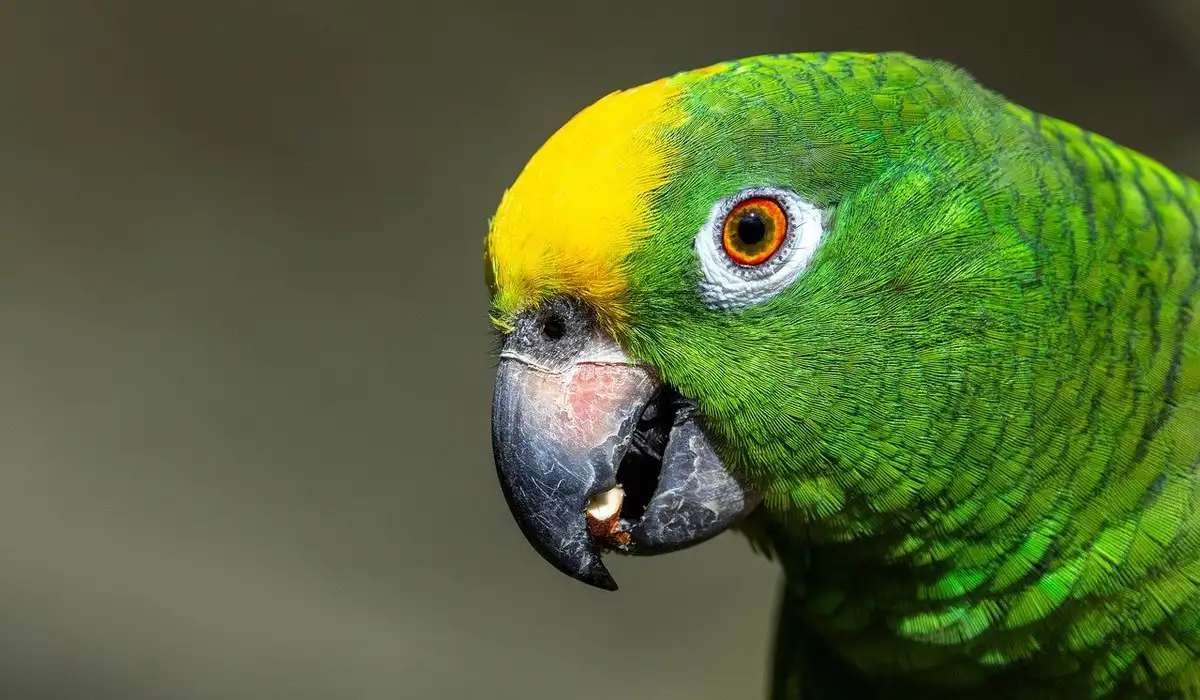
The yellow-naped Amazon is the kind of parrot people notice fast: bright, expressive, unforgettable in a room, and deeply vulnerable in the wild. That tension sits at the center of this species, because the traits that make it beloved have also made it a target for trapping, trafficking, and habitat loss. Caring for one well starts with understanding that admiration is not neutral when a species is already hanging by a thread.
A beautiful bird with a shrinking margin for error
BirdLife International says the yellow-naped Amazon was uplisted from Endangered to Critically Endangered in the 2021 Red List update, with declines accelerating because of habitat destruction and excessive trapping for the pet trade. The numbers are stark: BirdLife estimated only about 1,500 to 1,600 mature birds remained in the wild, and in southern Guatemala the population dropped from 30,000 to 50,000 birds in the 1980s and 1990s to fewer than 500 in 2019.
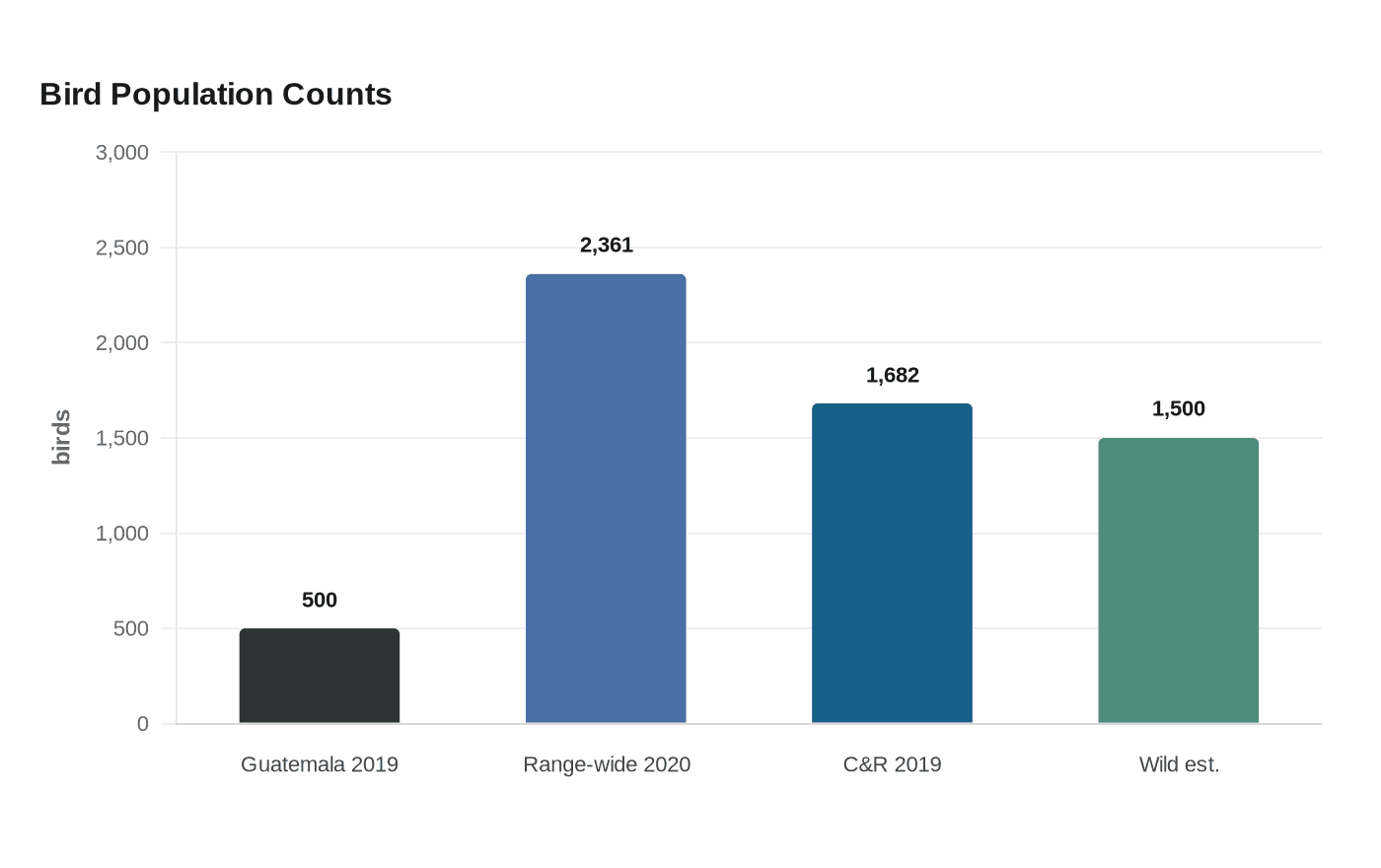
That collapse is not confined to one pocket of the range. A 2020 range-wide study counted 2,361 wild birds observed across Mexico, Guatemala, Belize, Honduras, Nicaragua, Costa Rica, and Roatan, while a 2019 Bird Conservation International study recorded 1,682 birds in Costa Rica and Nicaragua alone. The same survey found fewer than 25% of observed groups were three birds or larger, a sign that remnant populations are not just smaller, but socially fractured.
What the habitat tells us about the species
The yellow-naped Amazon is not disappearing into empty wilderness so much as being squeezed into landscapes shaped by people. That 2020 study found 71% of roosts were within 100 meters of human habitation, which tells you how closely this bird’s survival is now tied to farms, settlements, and disturbed edges of habitat. It is a species that still shows up near people, even as people remain the greatest threat to its future.
Fauna & Flora describes the yellow-naped Amazon as a “heavily poached parrot” and estimates about 2,500 adults in the wild, while also noting its role in seed dispersal. Those two facts belong together: this is not just a bird people want to keep, it is also part of the forest system that keeps habitats functioning. Lose enough of them, and the damage reaches beyond one species.
Care starts with the bird, but it cannot stop there
For anyone living with a yellow-naped Amazon, the daily care picture has to be shaped by the same forces threatening the species outside the house. This is an intelligent, social, high-profile parrot, so enrichment, routine, and close attention are not luxuries. They are the baseline for a bird whose appeal comes from personality as much as plumage.
- regular out-of-cage time in a safe space
- foraging toys and chewable enrichment that need to be replaced often
- consistent interaction, training, and predictable routine
- diet and habitat management that fit a long-lived, highly engaged Amazon
Practical care means building a life that is active rather than static. Think about:
The point is not to treat the species like a generic pet with a yellow head. The point is to match the bird’s intelligence and energy with a home that can actually absorb them, while remembering that every responsible decision indoors should reduce pressure outdoors.
Ethical ownership is part of conservation
This species is listed on CITES Appendix I, which prohibits commercial international trade. That status matters because it reflects a hard truth: the market for yellow-naped Amazons has long been strong enough to threaten the bird in the wild. A 2002 CITES document shows that all range states already supported moving the species to Appendix I because of declines, local extinctions, shrinking range, and a 48% decline in Nicaragua over four years.
For keepers and buyers, that changes the whole idea of sourcing. A yellow-naped Amazon should never be a casual impulse purchase, and any bird offered without a clear, verifiable history deserves serious scrutiny. Ethical ownership means asking where the bird came from, whether its origin is documented, and whether the transaction supports conservation rather than feeding demand that has already done so much damage.
Where conservation work is trying to push back
The good news is that the response is not abstract. The World Parrot Trust says it has funded yellow-naped Amazon fieldwork and range-wide surveys since 2007, and those studies helped lead to the species’ uplisting to Critically Endangered. In 2021, fieldwork in Costa Rica found a couple hundred birds at one site and uncovered new roosts, while work in El Salvador beginning in 2023 included interviews with cashew growers, found no significant negative impact on cashew production that season, and still uncovered evidence of poaching.
There is also active protection on the ground in Nicaragua. An international wildlife-trade project funded through the UK IWT Challenge Fund is working on Ometepe Island, where the population is said to exceed 1,000 critically endangered yellow-naped parrots. The project, budgeted at £357,308 and running from May 1, 2024 to March 31, 2027, uses nest surveillance and transit-point screenings to reduce poaching and trafficking.
The trafficking pressure is not theoretical. Florida International University reported that U.S. authorities intercepted 29 parrot eggs from Nicaragua en route to Asia, and DNA testing identified 21 of the surviving chicks as endangered yellow-naped Amazons. That case underscored how sophisticated the trade can be, especially when more than 90% of wild nests are poached for the illegal pet trade.
The yellow-naped Amazon still wins people over with the same voice and presence that made it famous in the first place. The difference now is that anyone drawn to that charisma has to answer with more than affection: the right bird, the right paperwork, and a conservation mindset strong enough to keep admiration from becoming another threat.
This article was produced by Prism’s automated news system from verified source data, official records, and press releases, then run through automated quality and moderation checks before publishing. The system is built and supervised by the people who set the standards it runs under. Read our full AI policy.
Know something we missed? Have a correction or additional information?
Submit a Tip