Miskito guardians protect scarlet macaws amid poaching threats in Honduras
Miskito patrols in La Moskitia are protecting scarlet macaws from nest theft, ranching and traffickers. For parrot owners, the lesson is blunt: provenance and community-backed conservation matter.
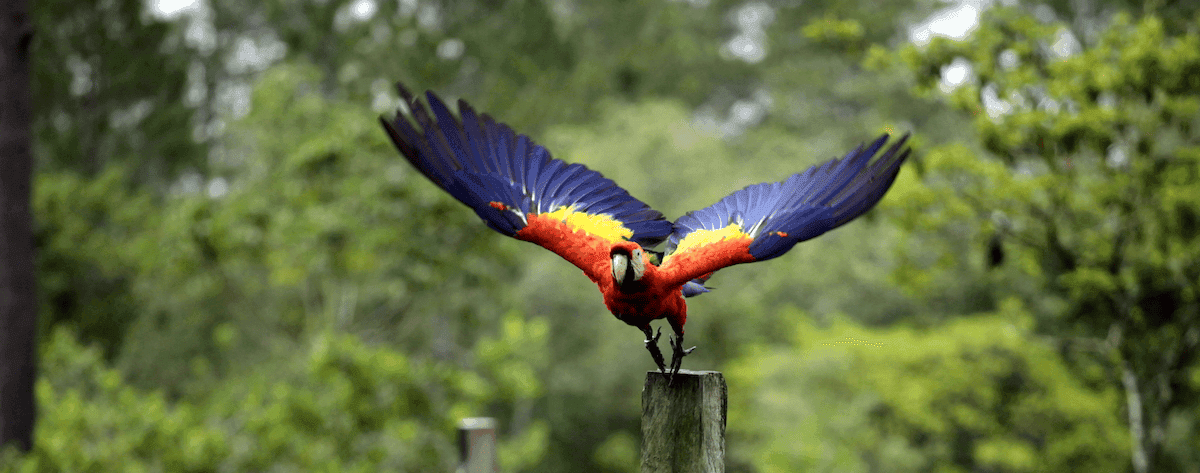
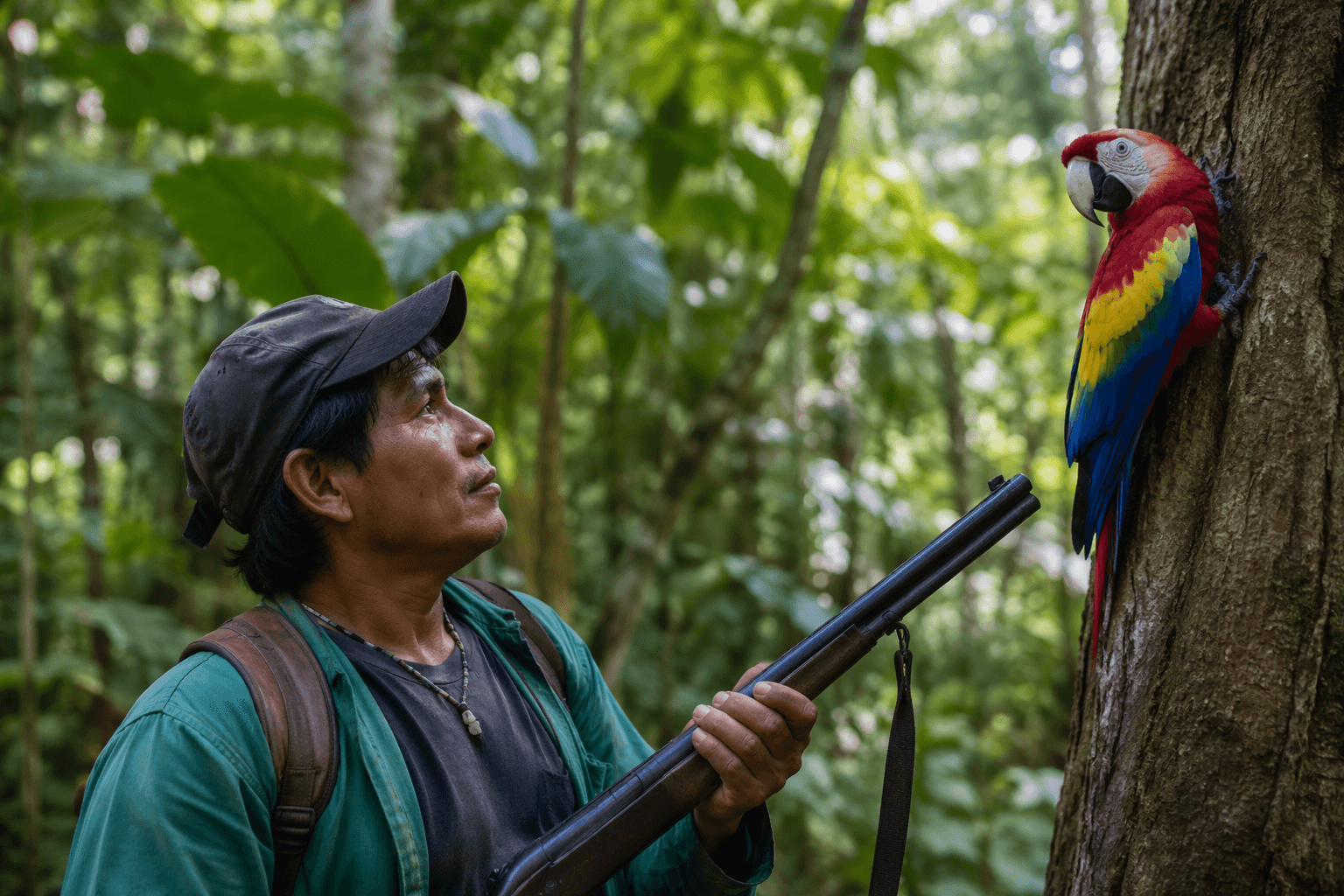
At the Rescue and Liberation Center of La Moskitia, Santiago Lacuth and Anayda Pantin care for confiscated and injured scarlet macaws, monitor nests, feed recovering birds and support patrols that keep poachers away from breeding areas. In the Miskito villages around Mavita, people are defending breeding sites, forest edges and the land itself against poachers, ranchers, fires and trafficking routes.
What the Miskito guardians are doing on the ground
Pantin has spent years doing the slow work that never looks dramatic from the outside: hand-feeding birds, checking nests, and tending to macaws that need a safe landing before they can fly free again. Lacuth put the motive in plain language: “We do this for love.”
That care is part rescue work, part neighborhood defense. In the Miskito villages around Mavita, people are not only protecting a national bird known locally as guara roja and apu pauni, they are protecting the authority to decide what happens in their own territory. The macaws spread seeds and help regenerate the forest, so every nest they save feeds back into the same land the community depends on.
Why the population crash changed everything
Around Mavita, the local scarlet macaw population fell from about 500 birds to 100 between 2005 and 2010 after years of poaching and poverty-driven egg theft, with eggs taken for buyers and chicks removed before the next generation ever got a chance.
In La Moskitia, Lacuth once sold macaw eggs and fledglings as pets before he understood how fast the population was disappearing.
Habitat loss is part of the poaching story
The pressure on macaws in eastern Honduras is not just about people climbing trees for chicks. Poachers are operating alongside illegal ranching, forest fires, settler incursions and narco-linked routes through La Moskitia’s forest. Settlers burn forests for cattle and agriculture, while criminal groups use the area as a corridor for trafficking. WCS Honduras says the region lost about 30 percent of its forest cover in 15 years to illegal land grabbing and cattle ranching expansion.
A macaw that disperses seeds cannot be protected bird by bird if the nesting trees disappear, the forest burns, or the land around them is turned into ranching ground.
What the Apu Pauni Project has changed
The Apu Pauni Project, supported by One Earth Conservation and local partners, has helped protect more than 1,000 nests and cut poaching sharply through Miskito-led patrols across roughly 500,000 acres. One Earth Conservation says the project has reduced scarlet macaw poaching from total nest loss to below 20 percent in the areas it patrols.
The Mavita center itself has also grown beyond emergency care. WCS Honduras says it has added solar power and expanded into bird recovery, patrols, nest monitoring, wildfire prevention and research.
What ethical parrot ownership should take from this story
If a bird’s origin is vague, if the paperwork is missing, or if the backstory sounds too easy, that should set off alarms. The same pipeline that pulls eggs for international buyers can also move chicks and fledglings into the pet trade, and Lacuth’s own history shows how quickly that trade can hollow out a nesting area.
A smarter standard is simple:
- Ask where the bird came from and insist on clear provenance, because a wild-caught or trafficked bird does not become ethical just because it ends up in a home.
- Treat community-run rescue, patrols and nest protection as real conservation, not side stories, because those are the parts that kept more than 1,000 nests standing in La Moskitia.
- Support organizations that protect habitat as well as birds, because in eastern Honduras the macaws survive only when the forest, territory and people around them survive too.
This article was produced by Prism’s automated news system from verified source data, official records, and press releases, then run through automated quality and moderation checks before publishing. The system is built and supervised by the people who set the standards it runs under. Read our full AI policy.
Did this article answer your question?