Morndyke parrot sanctuary at capacity, turns away rescue birds
Morndyke Parrot Sanctuary said it is full and turning away birds in urgent need, even while caring for more than 200 parrots across the UK. Patricia Phillips said the rescue is "at the brink."
Morndyke Parrot Sanctuary near Thirsk has hit the kind of wall parrot rescues dread most: it is full, and birds in need are being turned away. Patricia Phillips, the lead volunteer running the sanctuary, said she was “incredibly heartbroken” after the rescue was forced to reject parrots that needed safety and care.
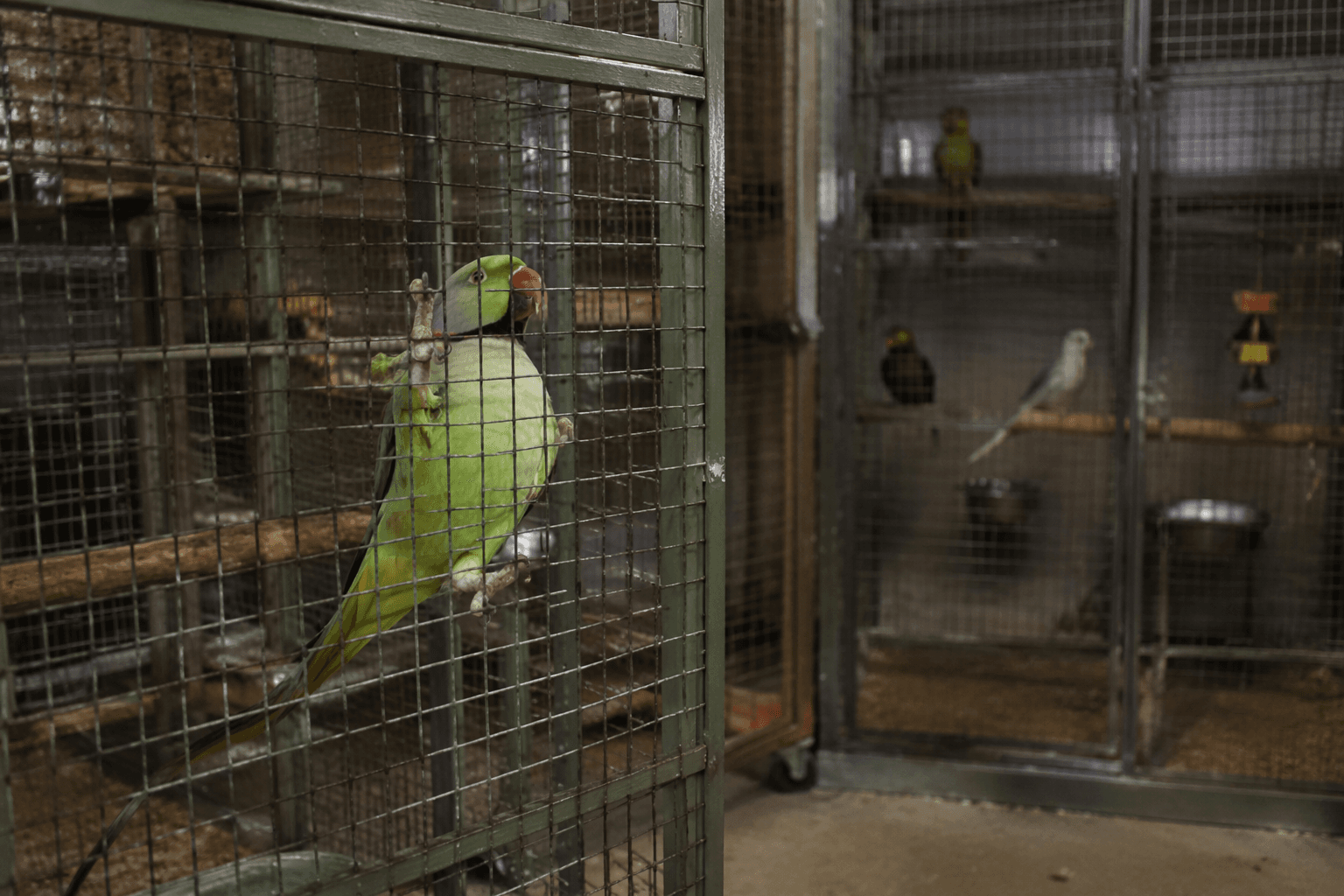
The sanctuary says it already provides rescue, rehabilitation and lifetime sanctuary service for more than 200 unwanted parrots from across the UK. Its purpose is to give abused, unwanted and bereaved psittacines a permanent home, and that mission is now colliding with a simple physical limit: there is no more room.
That is what makes the pressure especially sharp for the birds most at risk. The sanctuary is built for parrots that cannot simply be rehomed and moved on, including animals needing long-term care after abuse, neglect or bereavement. When a specialist place like Morndyke reaches capacity, the next call is not just another intake request. It is a bird that may have nowhere safe to go.
The charity was registered as a CIO on 18 April 2023 and is based at Morndyke House, Busby Stoop, Thirsk YO7 4EH. Its most recent published financial filing shows income of £61,877 for the year ending 31 March 2025 and expenditure of £65,455, a narrow operating base for a rescue already carrying more than 200 birds.
Morndyke is also fundraising for a new build under the banner “Help Us Build a Lifeline for Vulnerable Parrots.” On Morndyke Farm’s website, the sanctuary is described as the UK’s second-largest parrot sanctuary, which underlines how much of the region’s specialist bird welfare work depends on a small number of places that can take parrots for the long haul.
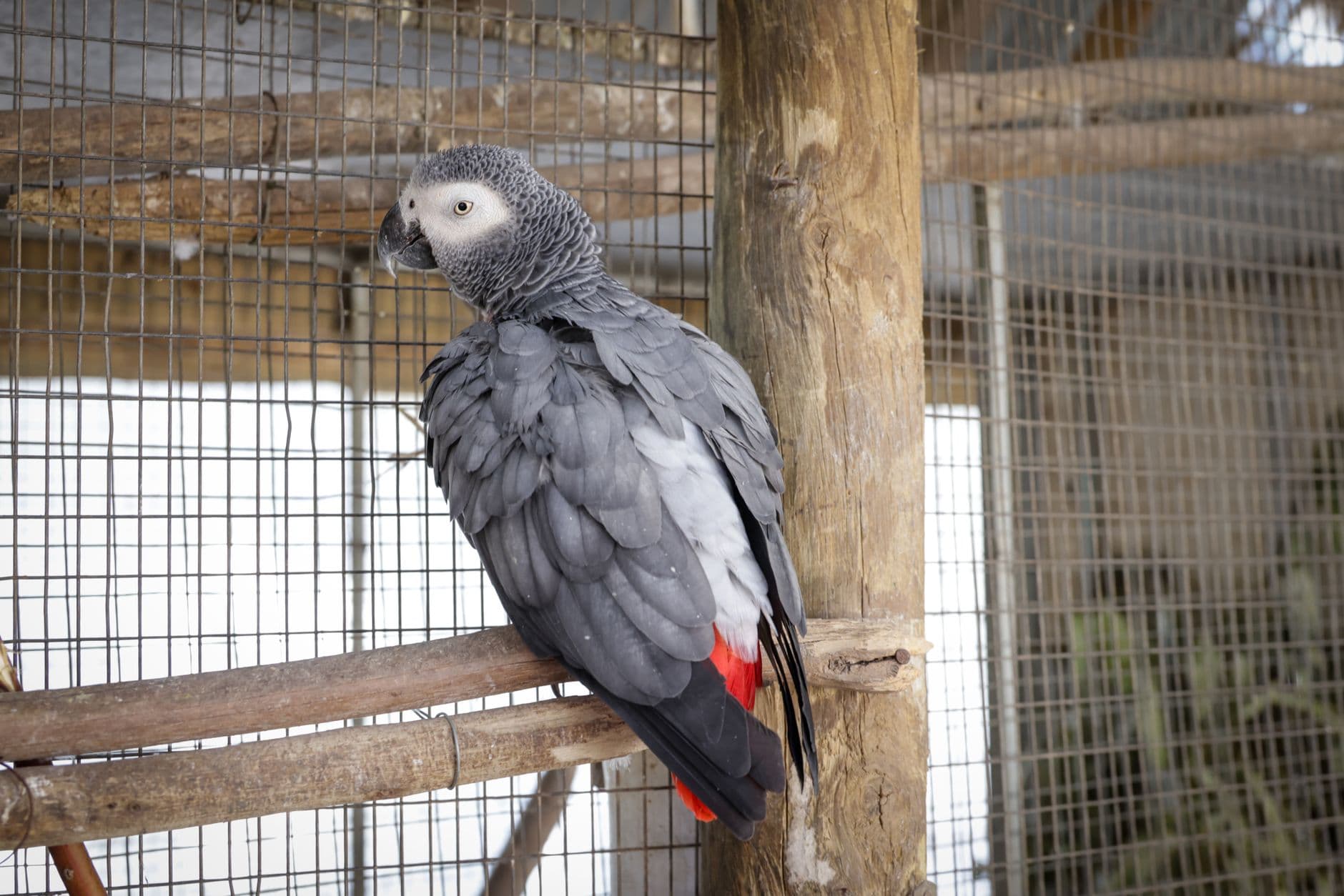
The wider safety net is not built for easy surrender, either. The RSPCA says giving up a pet can happen when circumstances change, and it offers advice and support for owners who are struggling, while also running a national rescue-and-adoption network. For Morndyke, though, the immediate problem is more blunt than policy or guidance: the birds are still arriving, the space is gone, and the rescue is at the brink.
This article was produced by Prism’s automated news system from verified source data, official records, and press releases, then run through automated quality and moderation checks before publishing. The system is built and supervised by the people who set the standards it runs under. Read our full AI policy.
Did this article answer your question?