Parrot health warnings, spotting illness before it becomes critical
Birds hide illness until it is advanced, so tiny changes matter. In parrots, feather plucking, weight gain and egg trouble are the owner alerts that deserve action fast.
A bird that looks normal can still be in trouble
Parrots and other pet birds are built to hide weakness. In the wild, showing pain can make a bird look vulnerable to predators, so by the time you see obvious symptoms at home, the illness may already be serious. That is why the most useful health habit is not waiting for drama, but learning what is normal for your bird and noticing the small departures first.
A quiet shift in appetite, posture, feather condition or energy often matters more than a single bad day. The goal is early detection, not guesswork. In a bird that can mask trouble so well, routine observation becomes part of responsible ownership, right alongside feeding and cleaning.
Feathers tell the first story
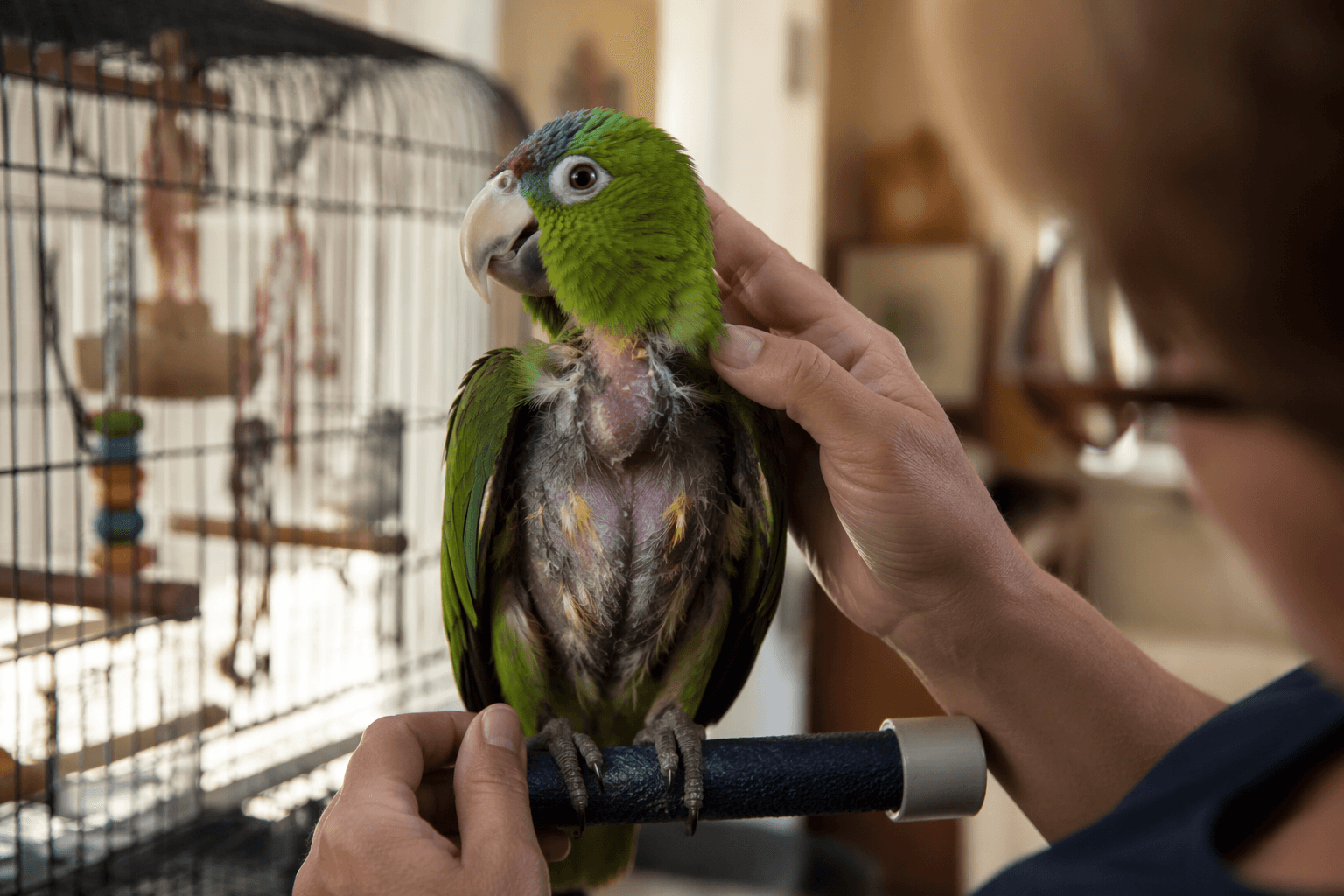
Not every loose feather is a problem. Moulting is a normal part of a bird’s cycle, and healthy feather loss during that period should not be confused with illness. Feather plucking is different, and it should always make you look closer.
Plucking can point to infectious disease, nutritional deficiencies, hormonal imbalances, boredom, stress or frustration. It also does real damage if it continues, because the skin and feather follicles can become injured over time. If you see bald patches, broken feathers or repeated picking at the body, treat it as a health warning rather than a habit you can wait out.
Weight is not a harmless extra
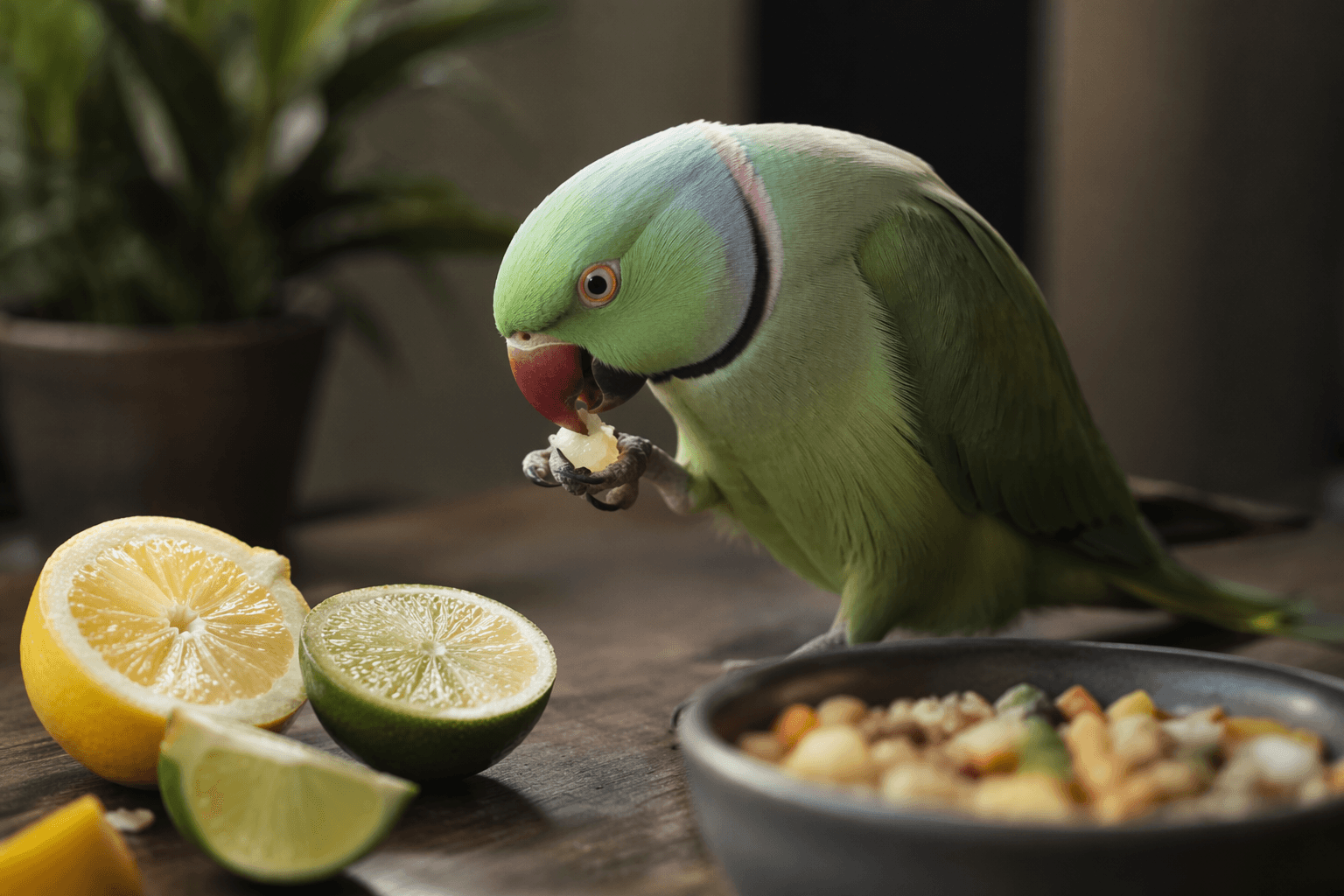
A parrot that looks a little rounder may not be "well fed." In birds, obesity can lead to liver disease and heart disease, which means extra weight is not just a cosmetic issue. It can become a medical one quickly, especially when the diet is built around seeds.
Most parrots do better on nutritionally balanced commercial pellets, with fresh fruit and vegetables added on top. Sunflower seeds should be used sparingly, mainly as training rewards or enrichment, not as the backbone of the diet. If your bird is eating mostly seed and gaining weight, that is the moment to rethink the bowl, not the moment to shrug.
When laying turns dangerous
Egg binding is one of the most serious problems owners can miss. It happens when a bird cannot lay an egg normally, and it is more common in smaller species such as finches, cockatiels and budgerigars. That makes it a real concern in many homes, because the birds most people see every day are also among the birds most at risk.
The safest rule is simple: if laying does not go normally, do not wait. Birds do not have much margin for error when an egg becomes stuck, and delays can turn an urgent problem into a critical one. This is the kind of condition that rewards fast action and punishes hesitation.
Why Singapore's bird world needs extra vigilance
Singapore’s bird-keeping scene makes all of this even more relevant. The country is described as a prominent global transit hub in the pet-bird trade, especially for parrots, and it also has a growing domestic market. That combination means owners are not just caring for pets, they are also living in a place where imported birds and biosecurity are part of the bigger picture.
The Animal & Veterinary Service says Singapore is currently free of highly pathogenic avian influenza and uses pre-border, border and post-border controls as part of its biosurveillance system. On Nov. 20, 2025, National Parks Board, Mandai Wildlife Group and Ceva Wildlife Research Fund signed an MOU to pilot avian flu vaccination for zoological birds at Mandai Wildlife Reserve. That backdrop matters to everyday owners because it shows how seriously bird health is being managed at the institutional level, from trade routes to collection care.
Watch for this, call a vet when this happens
- Feather plucking starts, especially if it is paired with bald spots, damaged skin or repeated picking.
- Weight is rising and the diet is still heavy on seeds instead of pellets, fruit and vegetables.
- Your bird’s normal behavior changes and it no longer seems like itself, even if it still looks outwardly fine.
- An egg does not pass normally, especially in smaller birds such as finches, cockatiels and budgerigars.
- A bird that once moved, preened or ate predictably suddenly seems off in any way that you cannot explain.
The hardest part of bird care is remembering that parrots do not announce sickness early. The best owners learn to trust the small warnings, because by the time a bird makes the problem obvious, the window for easy help may already be closing.
This article was produced by Prism’s automated news system from verified source data, official records, and press releases, then run through automated quality and moderation checks before publishing. The system is built and supervised by the people who set the standards it runs under. Read our full AI policy.
Know something we missed? Have a correction or additional information?
Submit a Tip