Parrot Palooza teaches care, training, and enrichment at sanctuary event
Parrot Palooza turns a sanctuary visit into a hands-on care lesson, pairing free-flight, training, rescue insight, and enrichment ideas people can use at home.
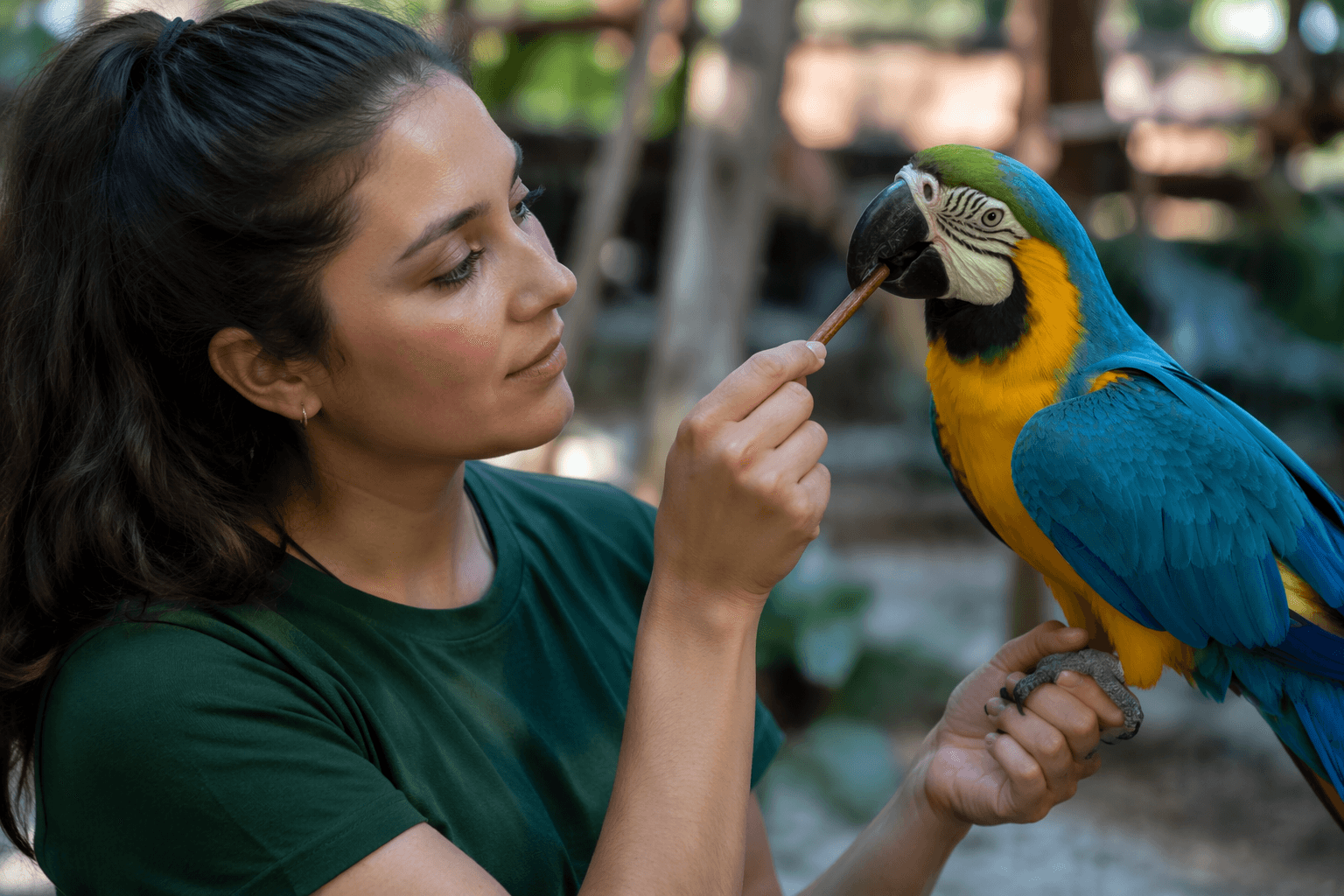
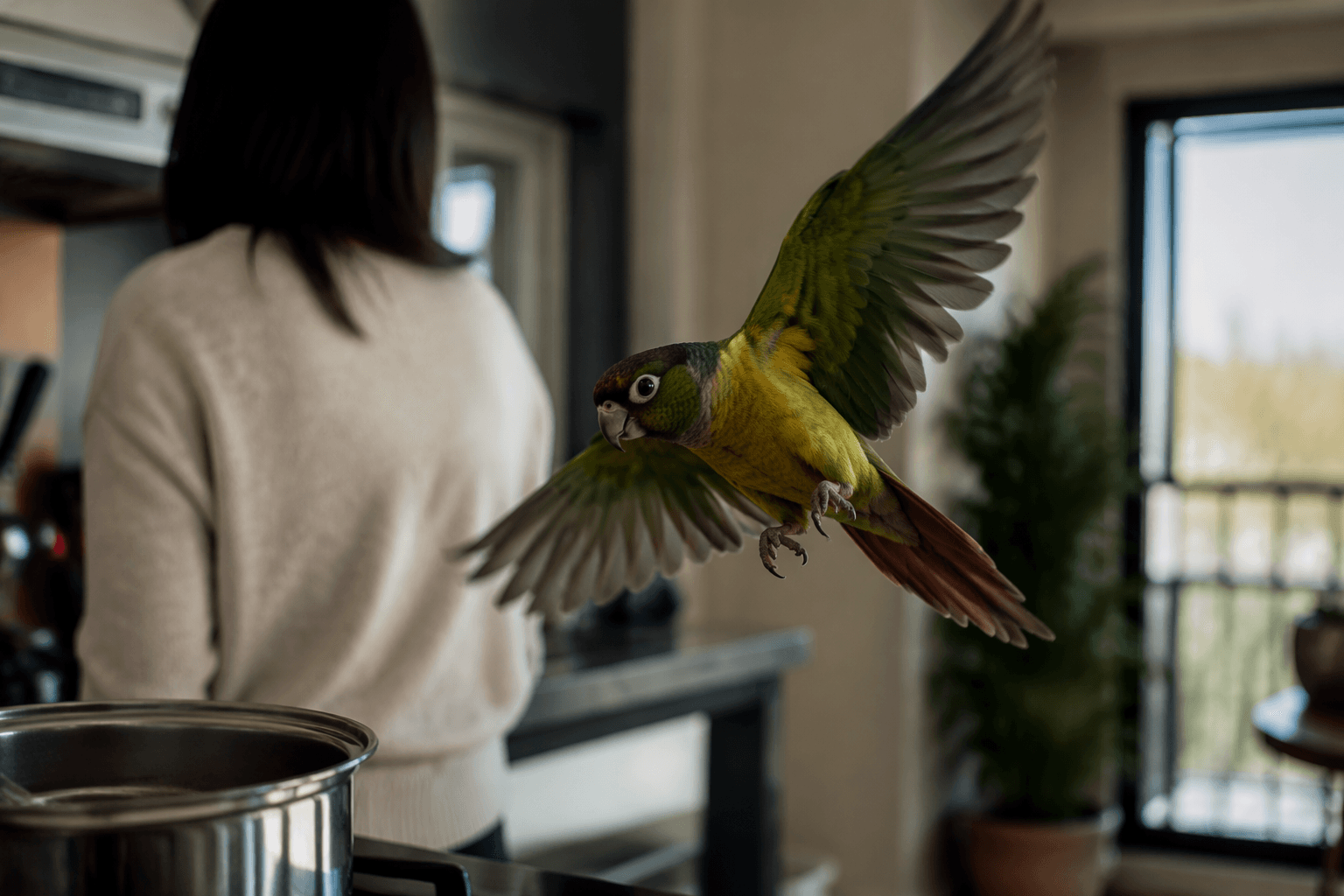
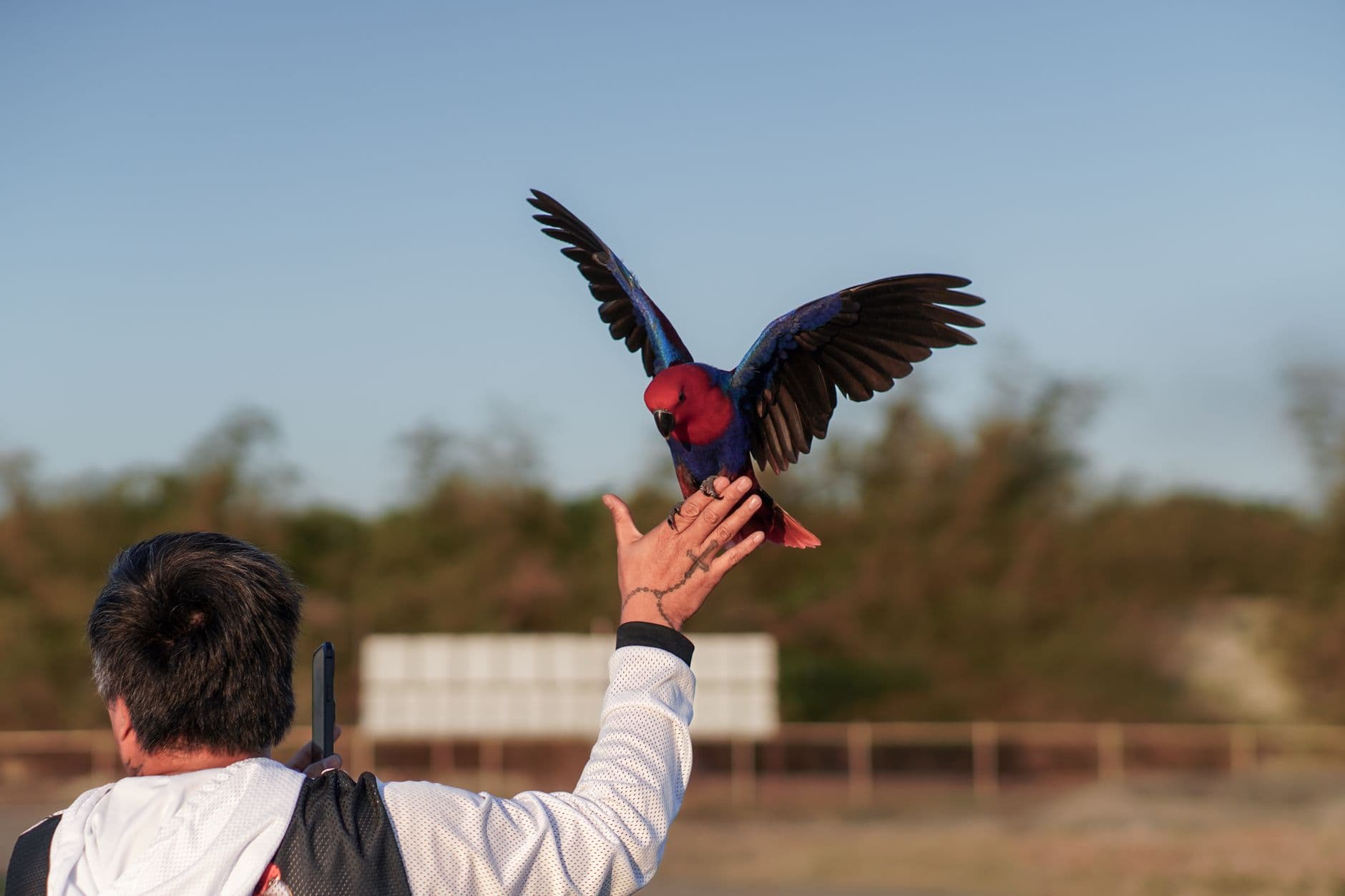
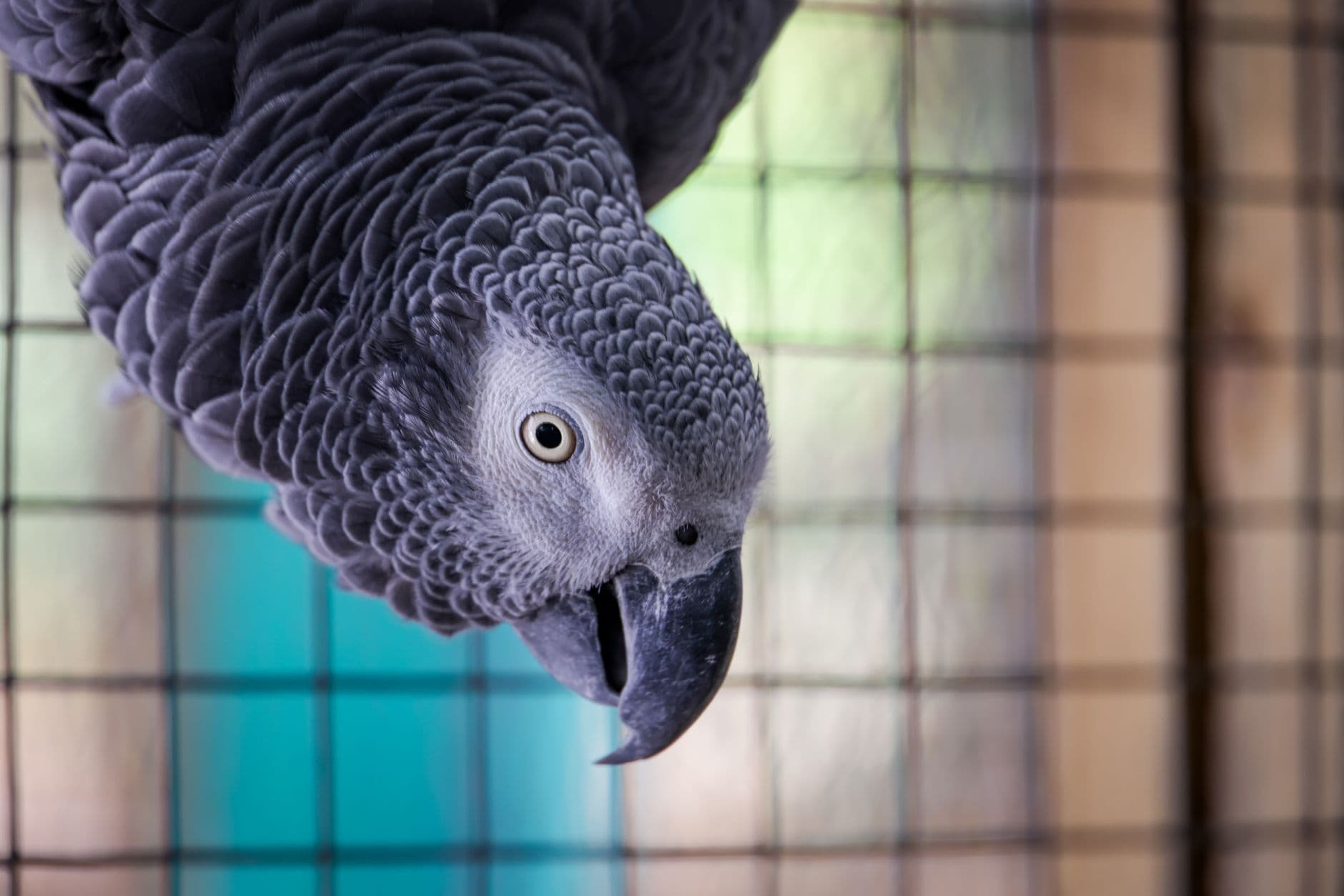
Parrot Palooza is built around a simple promise: show birds in motion, explain the behavior behind it, and send people home with ideas they can use. At Raptor Hallow Sanctuary, the day links free-flight displays, training demonstrations, presentations, parrot-themed games, and a pop-up shop stocked with toys for birds at home.
The event is scheduled for Saturday, July 11, 2026, from 12:00 PM to 5:00 PM at Raptor Hallow Sanctuary in Alliance, Ohio. It is co-hosted with Parrot Hope Rescue and The Animal Behavior Center, a pairing that gives the day a practical edge instead of a festival-only feel.
A sanctuary setting with a care-first purpose
Raptor Hallow says it has moved to Butler-Rodman Park in Alliance and frames its public work around community engagement, education, and conservation. That matters because Parrot Palooza is not happening in a vacuum. The sanctuary already uses public programming as a way to teach, and its broader schedule includes free-flight shows Wednesday through Sunday.
That existing rhythm gives the event a familiar home. Instead of treating parrots as a novelty, the day places them in a setting where behavior, handling, and observation are part of the experience. The result is a program that feels designed for people who want to see what good care looks like, not just hear about it.
Why the partners make the event useful
Parrot Hope Rescue brings the rescue and adoption side. The group says it accepted the surrender of over 400 parrots in 2024 and permanently placed more than 230 for adoption, a scale that explains why education around care and placement is so central to its work. The rescue describes itself as a 501(c)(3) nonprofit focused on rescue, education, and permanent home placement for companion parrots.
Its practical offerings line up with that mission. Parrot Hope Rescue emphasizes appointments, adoption counseling, and bird-safe enrichment items such as toys, perches, play stands, cages, and nutritious food. At an event like Parrot Palooza, that makes the adoption message concrete: rescue is not only about intake and placement, but also about setting birds up with the right home tools from the start.
The Animal Behavior Center adds the training lens. The center identifies Lara Joseph as its owner and says its work focuses on teaching people how to live, love, and work with animals using positive reinforcement and approaches in applied behavior analysis. It also says it provides training and behavior support for caregivers, shelters, rescues, zoos, wildlife educators, and veterinary teams.
That combination gives the event its strongest promise. Free-flight displays and training demonstrations are not just entertainment; they are live examples of trust, conditioning, and safe handling being used in a real bird setting.
What the care lesson looks like in practice
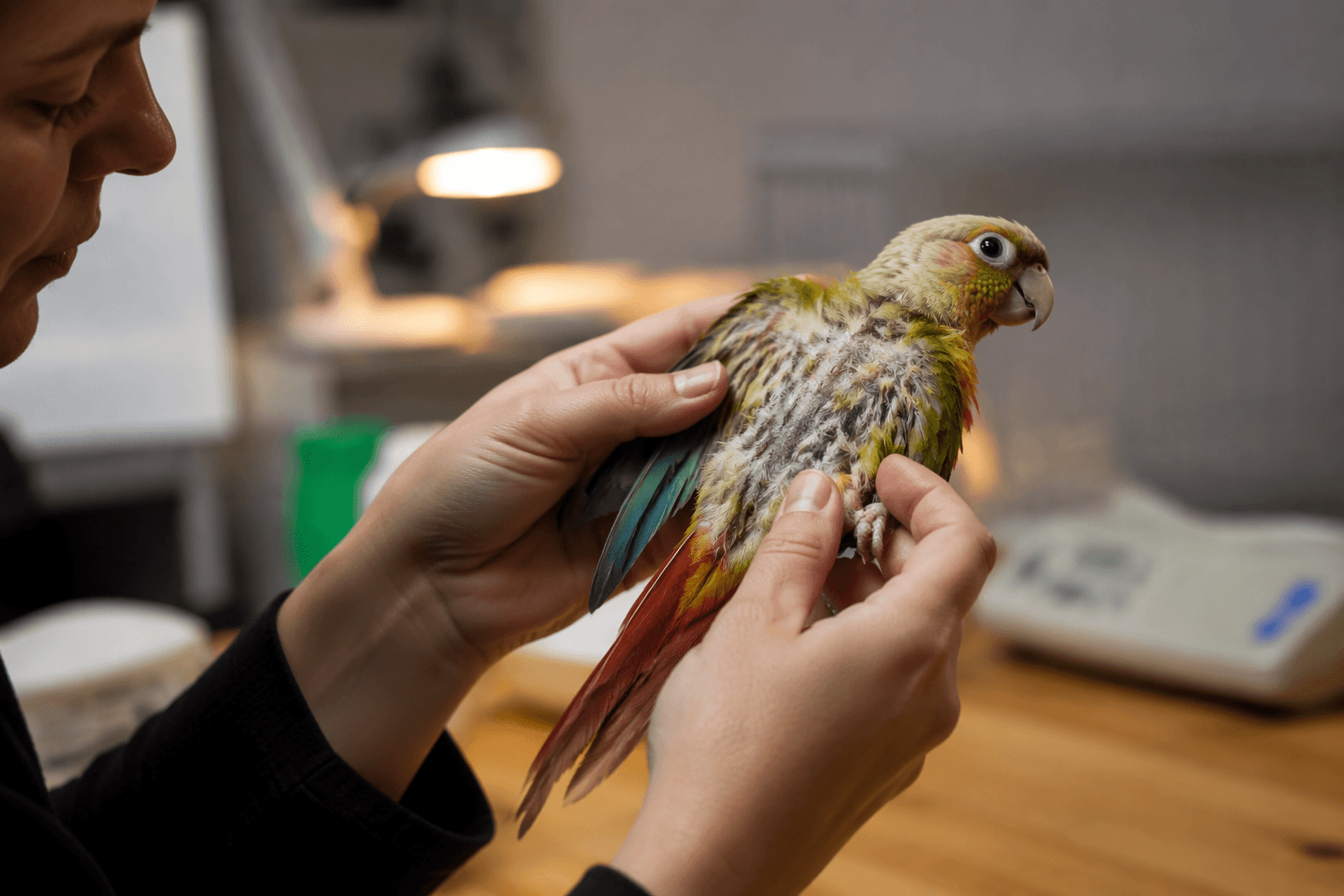
Parrot Palooza’s value comes from making abstract care ideas visible. A bird that responds to a cue, accepts handling calmly, or moves with confidence in a controlled setting tells you something about the work behind the scenes. The same is true when a rescue group and a behavior center share a stage with a sanctuary: the message is that parrot care is a three-part job involving rescue, training, and environment.
- Training is built on repetition and positive reinforcement, not guesswork.
The strongest takeaways from that setup are easy to spot:
- Enrichment is not an add-on, it is part of daily welfare.
- Rescue and adoption decisions work better when they are paired with behavior support.
- The best bird gear is not just decorative, it is functional in a home setting.
The pop-up shop matters for the same reason. Toys for birds at home are not a side attraction here; they are part of the care model the event is trying to normalize. When a sanctuary event includes enrichment products right next to behavior demos, the lesson is that what happens after the event is just as important as what happens on the lawn.
What the wider parrot world already knows
Veterinary guidance backs up that approach. Nutrition and behavior are core parts of pet-bird wellness, and the modern pet parrot population is primarily captive-bred. Mass importation of wild-caught psittacines was curtailed in the mid-1980s, which left caregivers with a captive-bred population that presents distinct behavioral challenges.
That context is why hands-on education matters. The Association of Avian Veterinarians identifies five enrichment categories for pet birds: sensory, nutritional, manipulative, environmental, and behavioral. Each one shows up in everyday care, whether the issue is foraging, toy rotation, bathing, social interaction, or giving a bird enough to do when humans are not actively engaged.
Recent numbers make the point even sharper. A 2026 study of 619 companion-parrot guardians found that 65.4% reported at least one behavior concern. Another 2026 survey found that most guardians had heard of environmental enrichment, and nearly all said they intentionally provided it once it was defined. That is the gap Parrot Palooza is trying to close: not a lack of love, but a need for clearer tools.
By putting rescue access, behavior expertise, and enrichment examples in one place, Parrot Palooza turns the sanctuary visit into a working lesson. The birds in flight are the draw, but the real point is the care logic underneath them, the kind that leaves a parrot home better prepared than it was before the first display began.
This article was produced by Prism’s automated news system from verified source data, official records, and press releases, then run through automated quality and moderation checks before publishing. The system is built and supervised by the people who set the standards it runs under. Read our full AI policy.
Did this article answer your question?