Parrot Sings Duet With Mom, Showing Strong Social Bond
A parrot singing with its mom is more than a cute clip. It can signal trust, flock-style bonding, and enrichment that works best in balance.
A duet is not just noise
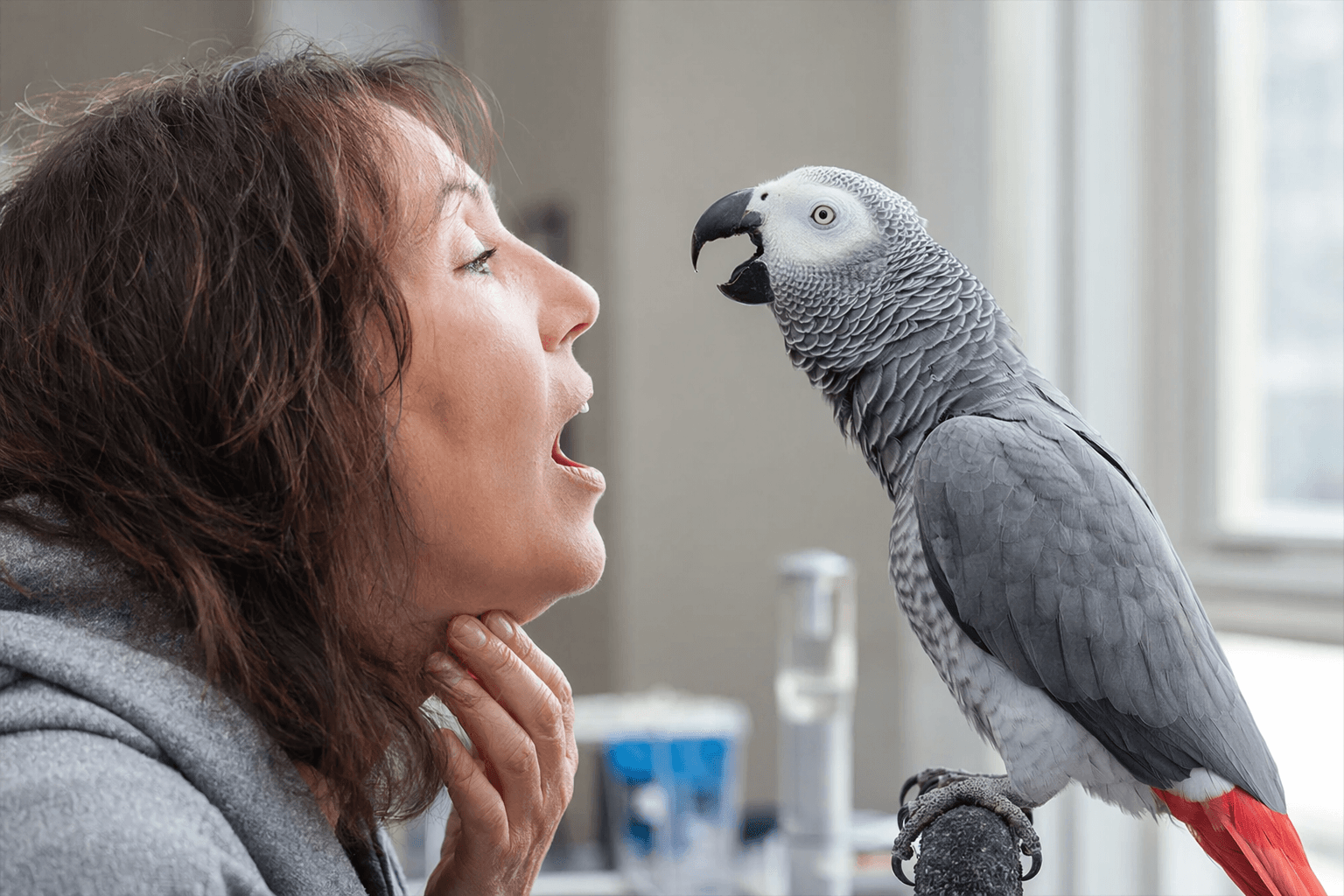
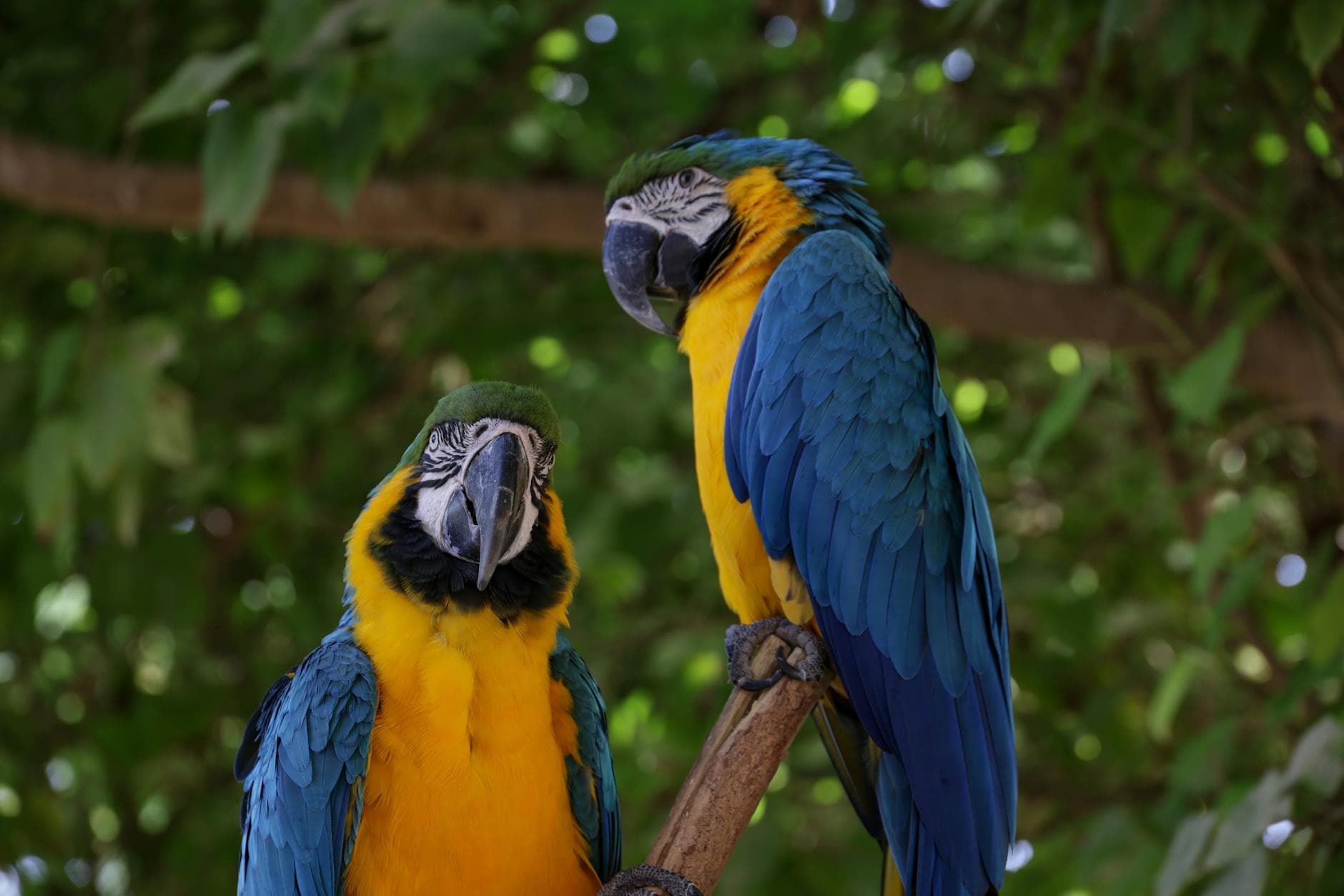
When a parrot starts harmonizing with its human mom, you are seeing more than a sweet performance. You are watching a highly social bird use its voice the way parrots are built to use it: to connect, respond, and stay engaged with the flock around it. In pet settings, parrots often treat humans as flock members, and that makes a shared song feel less like a novelty and more like a real social exchange.
That matters because parrots do not vocalize at random. Their talking and singing are tied to vocal learning, the same skill that lets them mimic sounds and human speech. Britannica notes that parrots use vocalizations in the wild to communicate, establish territory, and engage in social bonding, so a duet at home fits a much bigger pattern of how these birds navigate their world.
Why a voice match can be a healthy sign
A parrot that chooses to sing back may be showing comfort, attention, and social confidence. Those are useful markers in companion-bird care, because they suggest the bird feels secure enough to join in rather than retreat or flare up. A responsive duet can tell you that the bird is not just hearing you, it is actively tracking you.
The American Veterinary Medical Association describes the human-animal bond as a mutually beneficial relationship shaped by behaviors that support the mental, physical, and social health of both people and animals. That definition fits parrots especially well, since their social lives are built around interaction. The AVMA also emphasizes that veterinarians play an important role in maximizing the potential of that bond, which is a reminder that vocal behavior belongs in the larger picture of wellness, not just entertainment.
How vocal play becomes real enrichment
The Association of Avian Veterinarians says pet birds need enrichment in five categories: sensory, nutritional, manipulative, environmental, and behavioral. A duet sits squarely in the behavioral category, because it gives a bird a structured way to use its intelligence and social instincts. It can also support sensory enrichment through sound, and it works best when it is part of a bigger routine rather than the only thing a bird gets from people.
That is the key shift for caregivers. A parrot does not need a constant stream of novelty to stay stimulated; it needs a mix of predictable social contact, responsive communication, and chances to think without stress. A song shared with a trusted person can be one of the most elegant forms of enrichment because it is simple, familiar, and interactive.
A practical vocal routine often looks like this:
- Let the bird initiate sometimes, so the interaction stays voluntary.
- Answer calm sounds more than loud demands, so you do not train screaming.
- Keep the exchange short and pleasant, then let the bird settle.
- Pair voice time with the rest of the bird’s enrichment, not as a replacement for it.
That balance matters. If every loud call gets immediate attention, the bird can learn that screaming is the fastest way to start a duet. If the exchange is always one-sided, the parrot can become overfocused on constant human participation instead of learning how to relax independently.
What the bird’s sounds are telling you
One of the most useful lessons in this kind of story is that a parrot’s sounds carry information. The clip may look playful, but the bird’s voice is also a window into mood, comfort level, and desire for interaction. In everyday care, paying attention to those patterns can help you tell the difference between a bird that is happily engaged and one that is trying too hard to get a reaction.
That is where shared vocal play becomes a tool instead of a gimmick. A bird that sings along, pauses, and returns to the conversation is often practicing a healthy social rhythm. A bird that never seems able to stop, or only knows how to demand attention at full volume, may need a broader routine with more nonvocal enrichment and more chances to learn self-settling.
Why the science behind the song matters
Cornell University research on vocal learning in parrots has shown that brain mechanisms tied to vocal memory can affect a parrot’s individual signature. That helps explain why some birds sound distinct, remember patterns, and seem to build personal style into their calls. It is not just noise-making, it is identity, memory, and social exchange working together.
The Association of Avian Veterinarians also points to The Many Parrots Project, which has data on more than 1,200 individual parrots that mimic human speech and music. That scale matters. It shows that vocal mimicry is widespread enough to study in a serious way, and it reinforces the idea that a singing parrot at home is participating in a well-established behavior, not a quirky one-off trick.
What this means for day-to-day care
A duet with mom is most useful when it is treated as part of the bird’s social life, not as a performance to be repeated nonstop. The healthiest version of vocal bonding is the one that leaves room for rest, for independent play, and for the bird to choose when to join in. That is how voice becomes enrichment, recall practice, and relationship-building all at once.
Seen that way, the clip is doing more than charming the internet. It is showing the core truth of parrot care: these birds are heard, they are social, and when their voices are respected as part of flock life, they can become more secure, more engaged, and more settled in the home.
This article was produced by Prism’s automated news system from verified source data, official records, and press releases, then run through automated quality and moderation checks before publishing. The system is built and supervised by the people who set the standards it runs under. Read our full AI policy.
Did this article answer your question?