Partnership Protects Endangered Moluccan Cockatoos and Indigenous Culture in Seram
A partnership on Seram is protecting endangered Moluccan cockatoos by tying forest survival to Indigenous culture, a model companion bird owners should care about.
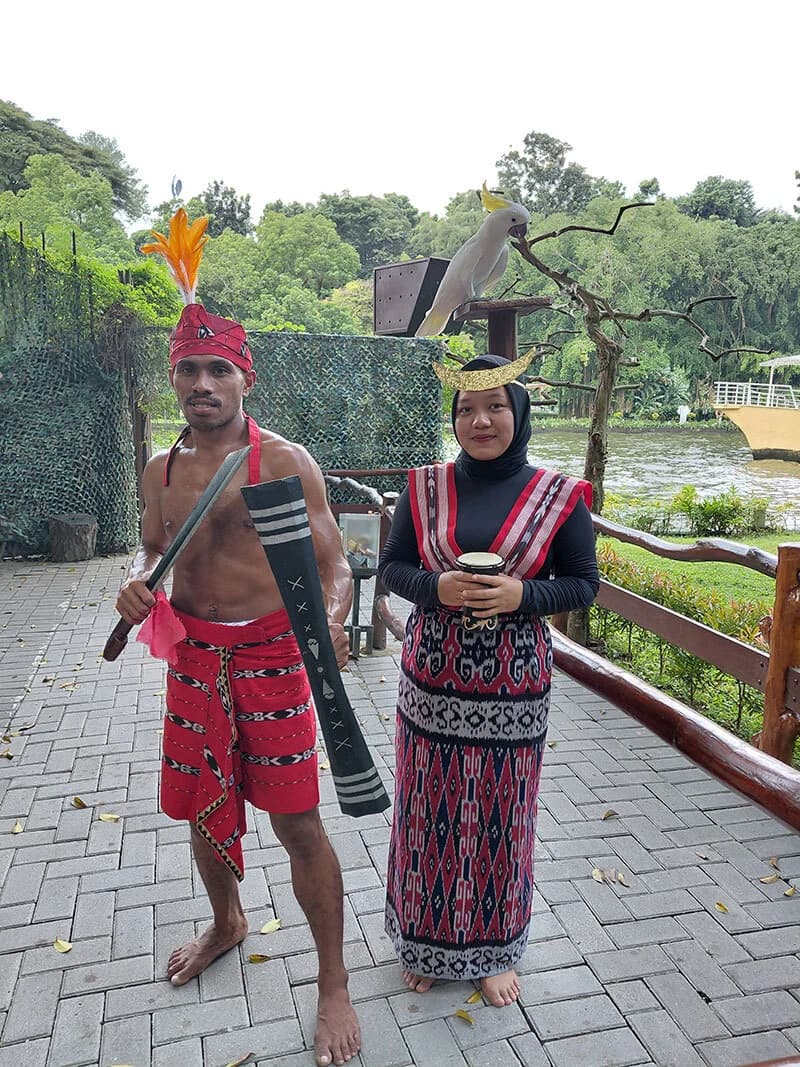
A conservation model built around people
The most compelling part of the Seram story is not just that it protects a spectacular cockatoo. It is that the protection works by treating Indigenous culture as part of the solution, not an obstacle to it. That matters for anyone who keeps parrots, because the same pressures that shape life in the wild, trapping, habitat loss, and trade, are the pressures that shape how the entire parrot world is managed.
The bird at the center is the Moluccan cockatoo, also known as the salmon-crested cockatoo, a species BirdLife lists as Endangered and endemic to Seram, Indonesia. BirdLife says it has likely declined by more than 50% over the past three generations, or 64 years, with the main drivers being trapping for the pet trade, logging, and encroaching agriculture on lowland forests.
Why companion bird owners should care
If you share your home with a parrot, this story lands close to home because it shows how quickly a charismatic bird can be pushed toward scarcity when demand and habitat pressure collide. BirdLife reported in 2024 that illegal trade in wild-caught parrots is rising in Asia, and for some especially attractive species, that trade can threaten survival in the wild. The Moluccan cockatoo is a vivid example of how the pet trade does not stay separate from conservation, it becomes one of the forces that determines whether future generations ever see the species outside captivity.
The human side matters too. Mongabay reported in 2024 that Indigenous communities in Indonesia are often sidelined from conservation even though records show 22.5 million hectares of Indigenous territories have high conservation potential. That makes a partnership approach on Seram especially important, because it suggests conservation is stronger when it respects the people who already live with the forest and understand the bird’s place in it.
A bird tied to one island, and that makes every loss count
The Moluccan cockatoo’s range explains why its decline feels so urgent. An IUCN and BirdLife account says the species historically occurred on Seram, Ambon, Saparua, and Haruku in South Maluku, Indonesia. There are no recent records from Saparua and Haruku, only a small population remains on Ambon, and almost the entire remaining population is now on Seram.
BirdLife’s current estimate places the number of mature individuals at 20,000 to 62,000, but the historical trend is what tells the real story. A BirdLife and IUCN source cited a 1998 density estimate of 7.87 birds per square kilometer, then a 2006 to 2007 estimate of just 0.83 birds per square kilometer. That sharp drop is a warning that even a bird with a still-substantial population can slide quickly when the underlying forest and trade pressures keep working against it.
The species also remains tied to formal conservation geography. BirdLife’s 2024 factsheet lists six Important Bird and Biodiversity Areas or Key Biodiversity Areas for the cockatoo, and Manusela National Park remains a conservation priority. In other words, the bird is not just a symbol of Seram, it is woven into the island’s conservation map.
What the partnership model gets right
What makes the Seram approach stand out is its refusal to separate wildlife from community identity. Instead of treating local people as bystanders, it recognizes them as partners whose cultural continuity strengthens the bird’s future. That is a more durable idea than a purely enforcement-based model, because parrots do not survive in abstract space, they survive in working landscapes where people decide whether the forest stays intact.
This is where the lesson reaches the companion bird world. Ethical stewardship is not only about what happens in cages and aviaries, it is about whether the wider parrot trade respects the source populations that make the species exist in the first place. A bird protected only on paper, while its habitat is logged and its chicks are trapped, is still a bird in trouble.
A few realities are worth keeping in view:
- Habitat loss is not a side issue. Logging and agricultural expansion on lowland forests are named threats for the Moluccan cockatoo.
- Trade pressure is not new. A 2011 Mongabay report said the species was listed under the U.S. Endangered Species Act because of logging, forest conversion, and the domestic and international pet trade.
- International controls already exist. CITES maintains a global trade database that dates back to 1975, which shows how long the wildlife trade has been a live issue for parrots.
What this means for the parrot community
For anyone who cares about parrots, the Seram story is a reminder that good stewardship starts with the whole chain of responsibility. It is about supporting conservation that protects habitat, respects Indigenous rights, and reduces pressure on wild birds, not just celebrating the species once it is already rare. That perspective also fits what owners know from daily life: parrots are intelligent, social, and long-lived, which makes them both beloved companions and species that deserve long-term planning rather than impulsive demand.
The strongest conservation models are the ones that can last. On Seram, the future of the Moluccan cockatoo depends on keeping forests standing, stopping illegal trade, and keeping local culture central to the protection effort. When those pieces move together, the result is bigger than saving one parrot, it is a way to protect the island system that lets the bird survive at all.
This article was produced by Prism’s automated news system from verified source data, official records, and press releases, then run through automated quality and moderation checks before publishing. The system is built and supervised by the people who set the standards it runs under. Read our full AI policy.
Did this article answer your question?