PEARL Parrot Rescue offers online class on standards of care
PEARL Parrot Rescue’s June 7 online class is built for new and current bird keepers who want to avoid the mistakes that lead to stress, surrender, and preventable health issues.
Who should be there when the class starts
If you are about to bring home a parrot, or you already live with one and want a cleaner, calmer reset, PEARL Parrot Rescue’s online Adoption/Parrot Standards of Care Class is aimed squarely at you. The Sunday, June 7 session is built as a structured overview of the do’s and don’ts of parrot ownership, with the practical goal of making life with a feathered companion safer and more enjoyable. That makes it especially useful before adoption, but also valuable soon after a bird enters the home, when habits are still forming and expectations are still flexible.
PEARL frames the class for both current and prospective bird keepers, which is part of what gives it real utility. It is not only for people who have already committed to a bird and now need help catching up. It is also for anyone still deciding whether they are ready for the demands of parrot care, and that timing can save a lot of grief later.
Why a standards-of-care class matters so much
Parrots are not casual pets, and the class is clearly designed with that reality in mind. A rescue-led standards-of-care session can cover the everyday basics that determine whether a bird settles in well or starts struggling under the weight of confusion, boredom, or mismatched expectations. The most common adopter mistakes often happen because people underestimate how much consistency a parrot needs and how quickly small gaps in care turn into bigger problems.
That is why the class matters before or soon after bringing a bird home. Early guidance can reduce the chance of surrender, behavior conflict, and preventable health problems by setting standards before routines harden into bad patterns. For adopters, that early window is often the difference between a home that feels manageable and one that becomes stressful for both bird and human.
What the class is built to cover
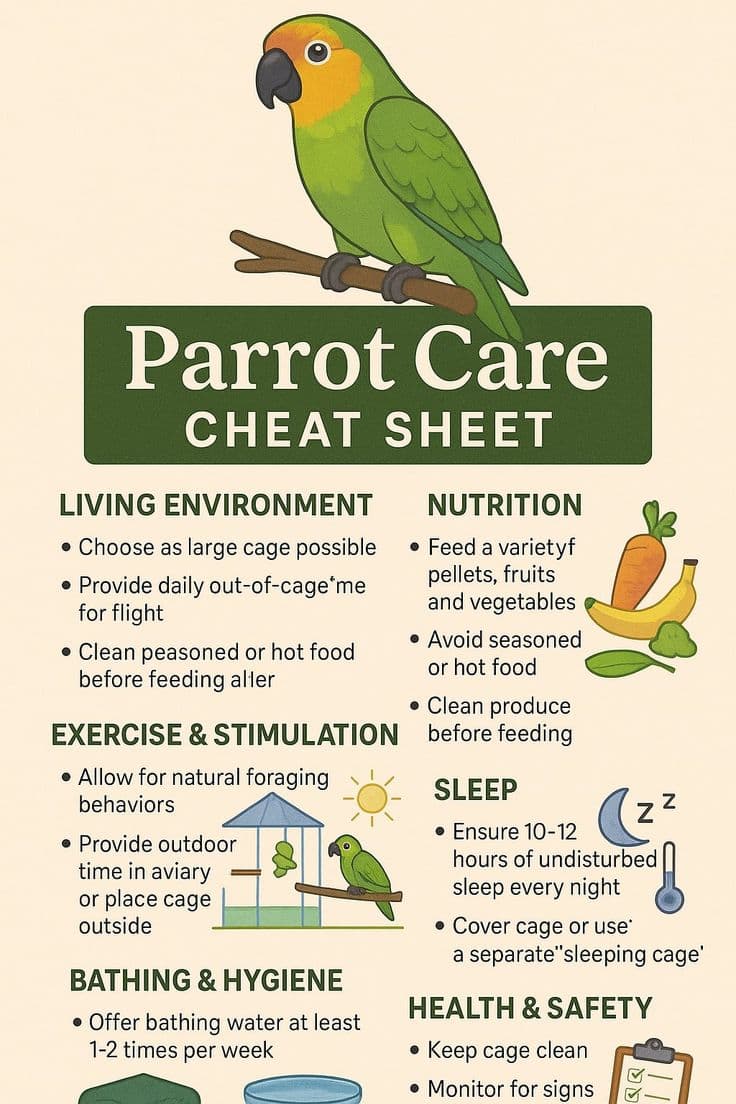
The listing describes the session as a practical guide, and the kinds of topics implied by that format are the ones parrot people know matter most in daily life. A standards-of-care class is the place to get clear on the basics that shape the whole relationship:
- daily routines that keep the bird stable and predictable
- enclosure setup and the logic behind a safe living space
- enrichment that gives a smart, busy animal real outlets
- behavior expectations, including what is normal and what needs attention
- social interaction and the level of attention a parrot actually needs
- the long view of ownership, which stretches across years or even decades
That long view is especially important. A parrot is not a novelty purchase or a quick project. It is a companion animal whose needs remain active for a very long time, and the habits built in the first days and weeks can influence the relationship for years.
What PEARL is doing differently
This class is not floating in isolation. It is part of PEARL’s broader education and adoption program, which ties animal placement to actual owner preparation rather than hoping people figure it out later. That approach says a lot about how the rescue sees its role. It is not just moving birds into homes. It is helping people understand what a workable home looks like in the first place.
The rescue’s events page also shows that this is part of an ongoing schedule of Zoom education, with additional class dates already posted. That matters because it suggests a sustained commitment to owner support, not a one-time lecture built around a single adoption push. For the parrot community, that kind of steady education can be a real pressure release valve, especially for people who learn best when they can prepare before a bird arrives.
Why online access is part of the appeal
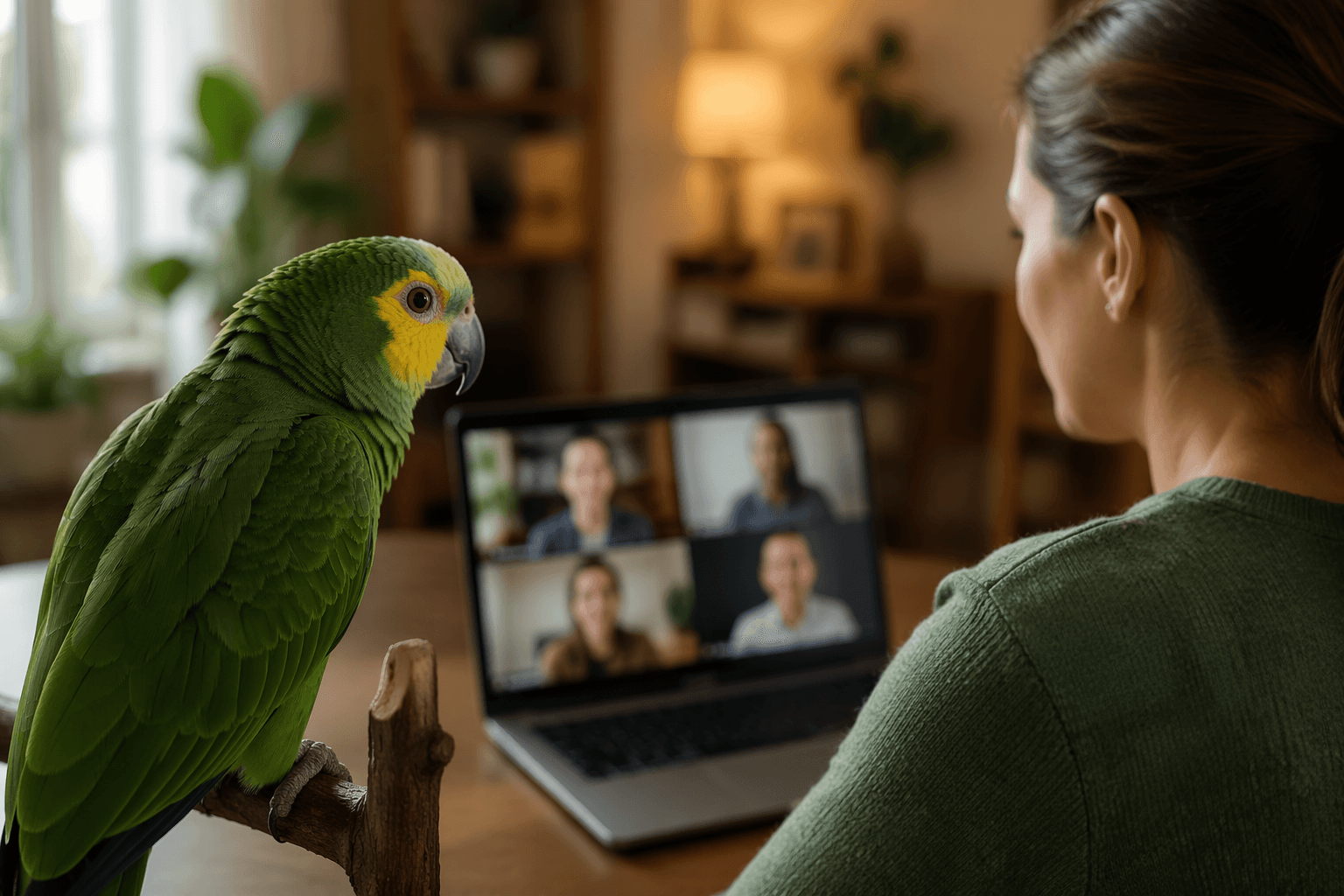
The online format lowers the barrier to getting good information quickly. You do not have to build a day around travel or wait for an in-person meetup to get oriented on basic care. You can join from home, which is useful whether you are preparing an adoption setup, troubleshooting an existing routine, or trying to decide if a parrot fits your life at all.
That convenience is not just a perk. For a class built around standards of care, easy access increases the odds that the right people show up at the right time, before avoidable mistakes become expensive or emotionally draining. It also fits the rescue’s larger educational mission by making practical bird knowledge easier to reach for a wider audience.
The real payoff for caregivers
The strongest case for this class is simple: it gives you a clearer standard before the bird does the teaching for you. That can mean fewer surprises, fewer misunderstandings, and a more realistic picture of what parrot ownership asks in return. It also gives prospective adopters a better sense of whether they are ready, which is exactly the kind of preparation that protects birds and families alike.
PEARL’s June 7 online class is, at its core, a useful checkpoint. If you are stepping into parrot care, or trying to do better by the bird already in your home, it offers the kind of early guidance that keeps a promising relationship from getting off track.
This article was produced by Prism’s automated news system from verified source data, official records, and press releases, then run through automated quality and moderation checks before publishing. The system is built and supervised by the people who set the standards it runs under. Read our full AI policy.
Know something we missed? Have a correction or additional information?
Submit a Tip