Perth Zoo hatches first Western Ground Parrot chick in captivity
Perth Zoo has hatched the first Western Ground Parrot chick ever born in captivity, a rare boost for a bird with only 100 to 150 left in the wild.
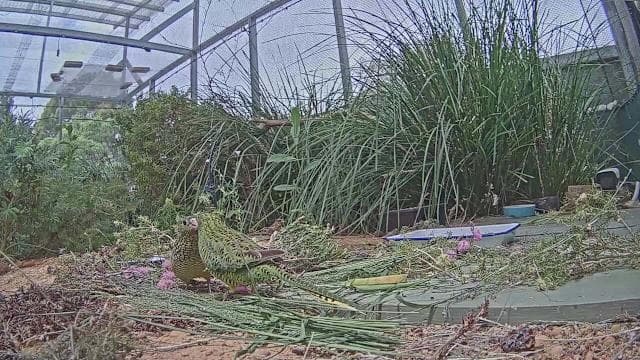
Perth Zoo has pulled off a milestone the parrot world has been waiting for: the first Western Ground Parrot chick ever born in captivity has hatched, passed its first vet check and survived long enough to leave the nest. For a species with only about 100 to 150 birds left in the wild, the tiny chick is more than a zoo success story, it is a fresh chance for one of Australia’s rarest parrots.
The breakthrough sits inside a long-running recovery effort led by the South Coast Threatened Birds Recovery Team and supported by Perth Zoo, DBCA’s Biodiversity and Conservation Science, Parks and Wildlife Service, BirdLife Australia, South Coast NRM and Friends of the Western Ground Parrot. Perth Zoo said it brought a small group of Western Ground Parrots into care in 2014 to learn how the species breeds, then spent more than 11 years working with the birds under 24/7 CCTV and close monitoring to study vocalisations, mate choice and breeding behaviour.
That work included setbacks. Perth Zoo said multiple eggs were laid over the years without previously reaching hatching, and in 2023 avian reproductive experts from Germany were brought in to analyse semen and attempt artificial insemination. That effort did not succeed. This time, the breeding pair of Kangal and Golambiddee delivered the result the team had been pushing toward. Kangal arrived as a juvenile in November 2018, while Golambiddee came in June 2022 after being found in poor condition during capture for the wild translocation program. The pair have been housed together since late 2022, and Perth Zoo said Kangal incubated the clutch entirely on her own while Golambiddee fed her.
The chick’s arrival matters because the Western Ground Parrot is in a fight for space, time and fire-survival. DBCA says the bird is one of 22 species nationally prioritised for recovery and depends on near-coastal heath that has not burned for about a decade. Its remaining strongholds are in Cape Arid National Park and the adjacent Nuytsland Nature Reserve in southern Western Australia. A three-year trial translocation began in 2021 to build an insurance population, and several birds were moved east of Albany in 2023 after capture and veterinary assessment.
The timing of the hatch only sharpens its importance. A bushfire in January 2026 destroyed an estimated 11,000 hectares of habitat, about 30 per cent of the bird’s core range. Against that backdrop, Perth Zoo’s first surviving captive chick is not just a breeding win, it is a lifeline for a parrot that has been pushed to the edge.
This article was produced by Prism’s automated news system from verified source data, official records, and press releases, then run through automated quality and moderation checks before publishing. The system is built and supervised by the people who set the standards it runs under. Read our full AI policy.
Know something we missed? Have a correction or additional information?
Submit a Tip