Photographer Saves Corella from River, WIRES Provides Critical Holiday Support
A waterlogged little corella pulled from a river over Easter had no avian vet available — until a photographer dialed WIRES and a rescuer arrived within 12 hours.
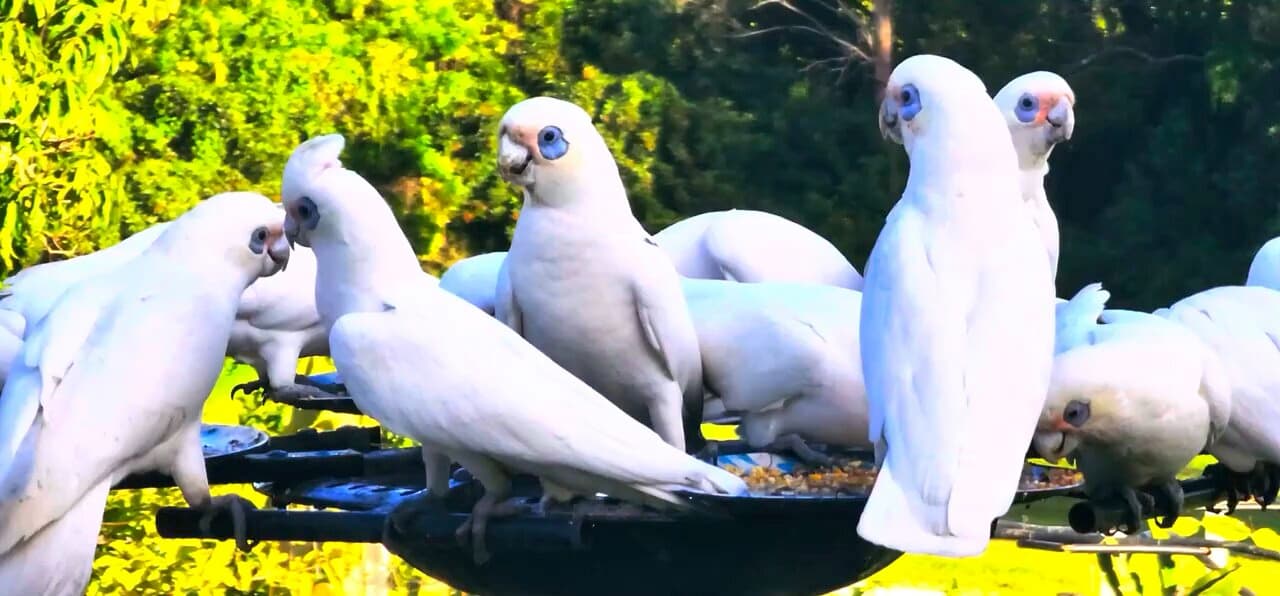
The little corella was soaking wet and grounded when a photographer spotted it at the river's edge over the Easter long weekend, with no avian veterinarian reachable anywhere in the area. What happened in the next twelve hours became a textbook case for why wildlife rescue support needs to operate around the clock.
The photographer called WIRES (Wildlife Information, Rescue and Education Service), Australia's largest wildlife rescue organization, and received immediate stabilization advice over the phone. Within twelve hours, a WIRES volunteer rescuer had reached the bird. The corella, a native white cockatoo found across much of mainland Australia, had been pulled from the water and entered the window where cold stress makes water-immersed parrots most dangerous to handle incorrectly.
When a bird comes out of the water, the instinct is to dry it fast. That instinct is wrong. Pointing a hairdryer at a waterlogged parrot creates rapid, uneven temperature changes that can push a bird already under circulatory stress closer to shock. The correct first step is passive warmth: wrap the bird loosely in a dry towel, position it near a low-heat source like a cloth-wrapped hot water bottle, and keep the environment between 25 and 30 degrees Celsius. The goal is slow, steady re-warming while the bird does its own thermoregulatory work.
The airway question matters equally. After water immersion, watch the breathing pattern carefully. Normal respiration in a parrot is quiet and even. A tail that bobs with every breath, a clicking or rattling sound from the chest, or visibly labored breathing signals potential fluid in the airway and requires emergency intervention immediately, not the morning after the holiday ends.
Other signs that mean go now: the bird is unresponsive to gentle touch, its wings hang away from the body without control, its eyes are half-closed with no reaction to movement nearby, or there is no improvement after thirty minutes of warmth. A bird gripping your finger, holding itself upright, and tracking nearby movement is stabilizing. One that is limp and glassy-eyed is not.

The Easter rescue illustrates a gap that appears every public holiday, every long weekend, every Christmas morning: avian vets are closed, but wildlife emergencies ignore the calendar. WIRES operates its Wildlife Rescue Office twenty-four hours a day, three hundred and sixty-five days a year. The number is 1300 094 737. Save it before you need it.
When you call, have four things ready: your exact location including a nearby street intersection or landmark and suburb, the species or your best description of the bird, how long it has been since you found it, and what symptoms you are seeing. The more specific the information, the faster WIRES can triage and dispatch the right volunteer. During peak holiday periods when phone lines run busy, WIRES also offers an online report-a-rescue form as an alternative; staff follow up promptly.
The bird a photographer found at a river's edge this Easter survived because someone stopped, called the right number, and followed the advice they were given. That sequence requires no veterinary training. It requires knowing the number exists.
This article was produced by Prism’s automated news system from verified source data, official records, and press releases, then run through automated quality and moderation checks before publishing. The system is built and supervised by the people who set the standards it runs under. Read our full AI policy.
Did this article answer your question?