England and Wales Lift Mandatory Bird Housing Rules, but Biosecurity Stays
Five months of mandatory indoor housing end at midnight for aviary flocks across England and Wales, but the HPAI virus can survive 50 days in contaminated ground.
Five months of mandatory indoor housing end at midnight tonight. The Housing Order that confined captive bird flocks of 50 or more across England and Wales lifts at 00:01am on April 9, confirmed by the Deputy Chief Veterinary Officer, with <cite index="3-3">the measures having been introduced across England on November 6, 2025, to contain the spread of highly pathogenic avian influenza.</cite> For parrot breeders and aviary keepers who have spent the season managing birds without outdoor ranges, it is real relief. But the order has lifted before the virus has gone.
Deputy UK Chief Veterinary Officer Jorge Martin-Almagro confirmed the change, stating: "With the threat of avian influenza receding, birds can now be allowed access to ranges and outdoor areas," before adding a qualifier every parrot keeper should read twice: "Although the risk to poultry has reduced, there remains a risk that poultry and other captive birds can still contract bird flu. I urge keepers to take steps to prepare outdoor areas before letting birds out. It is still essential that bird keepers remain vigilant and implement rigorous and strict biosecurity."
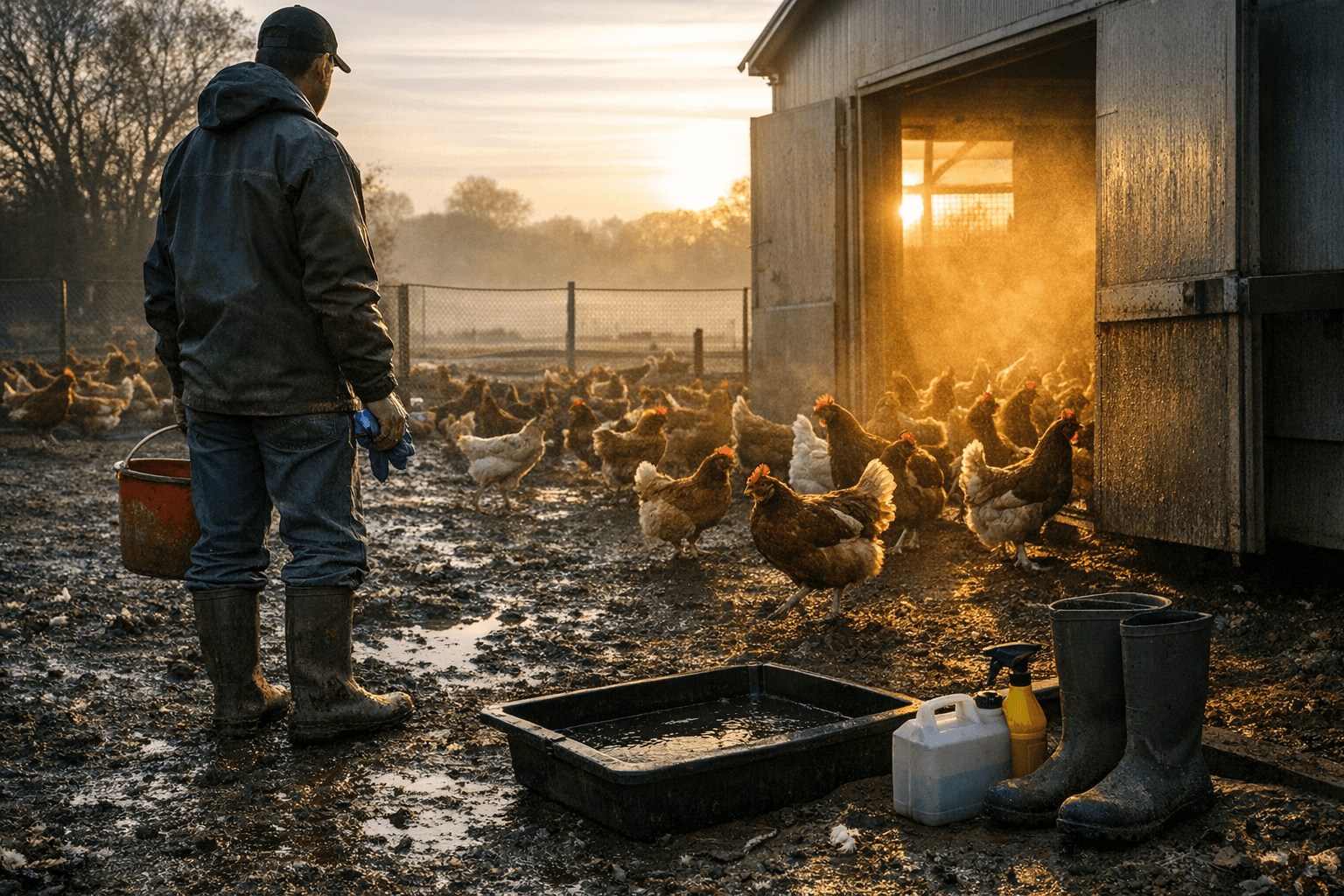
The specific risk that warrants that caution: DEFRA has warned that the HPAI virus can survive in faeces, feathers and carcasses for up to 50 days, and longer in wet conditions, increasing the risk of reinfection if ground is not properly managed. An outdoor enclosure that hosted wild bird activity over winter, or that has standing water or undrained low spots, could still carry live virus weeks after the last confirmed case in your area. Before any African Grey or macaw goes back out, the preparation work should include cleansing and disinfection of hard surfaces, fencing off ponds or standing water, and reintroduction of wild bird deterrents. Change footwear and outer clothing before moving between any outdoor space that wild birds have accessed and your main aviary. The Avian Influenza Prevention Zone mandatory biosecurity requirements remain in place nationally until the wild bird risk falls further, meaning disinfecting footwear, clothing, vehicles and equipment is not optional guidance; it is still law.
The relaxation also has a geographic carve-out that requires checking before opening any hatch: the lifting applies to all areas unless keepers are inside a Protection Zone or Captive Bird Monitoring (Controlled) Zone, which are areas where there has been a recent HPAI outbreak. Check your postcode against DEFRA's current disease zone map before assuming you are in the clear.
On the question of bird fairs and shows, the answer is more complicated than many had hoped. As of today, bird gatherings still require an individual licence from APHA, and rules for gatherings are due to be reviewed by DEFRA in light of the reduced risk level, but no updated guidance has yet been published. In England, event organisers running psittacine gatherings can operate under the general licence, which covers psittaciformes, but confirming the organiser has that licence in place is your responsibility as an attendee. In Wales, gatherings of certain captive birds may continue under the general licence, but organizers must notify APHA at least seven days before the event.
Here is the decision tree in plain terms: first, confirm the organiser holds a current valid licence. Second, verify the venue sits outside any active Protection Zone or Controlled Zone. Third, commit to a minimum 14-day quarantine for any bird you bring home before it rejoins your main collection. Fourth, change shoes and outer clothing between the event and your home aviary. If any of those conditions cannot be met, skip the event. The gathering rules review is coming, and the next fair after updated guidance publishes will carry far less ambiguity.
After any show, boarding stay, or multi-site event, that two-week quarantine holds regardless of how healthy the returning bird looks on arrival. Log the date, venue, and any bird contacts, because DEFRA requests movement records during outbreak investigations. The AIPZ hasn't gone anywhere, and neither has the paperwork obligation that comes with moving birds between sites.
This article was produced by Prism’s automated news system from verified source data, official records, and press releases, then run through automated quality and moderation checks before publishing. The system is built and supervised by the people who set the standards it runs under. Read our full AI policy.
Did this article answer your question?