Providence House Fire Claims Pet Bird While Surviving Animals Receive Emergency Care
A Providence house fire killed one pet bird on April 3 as another bird, two dogs, and a cat were pulled out alive; a stark reminder that birds succumb to smoke faster than any other pet.
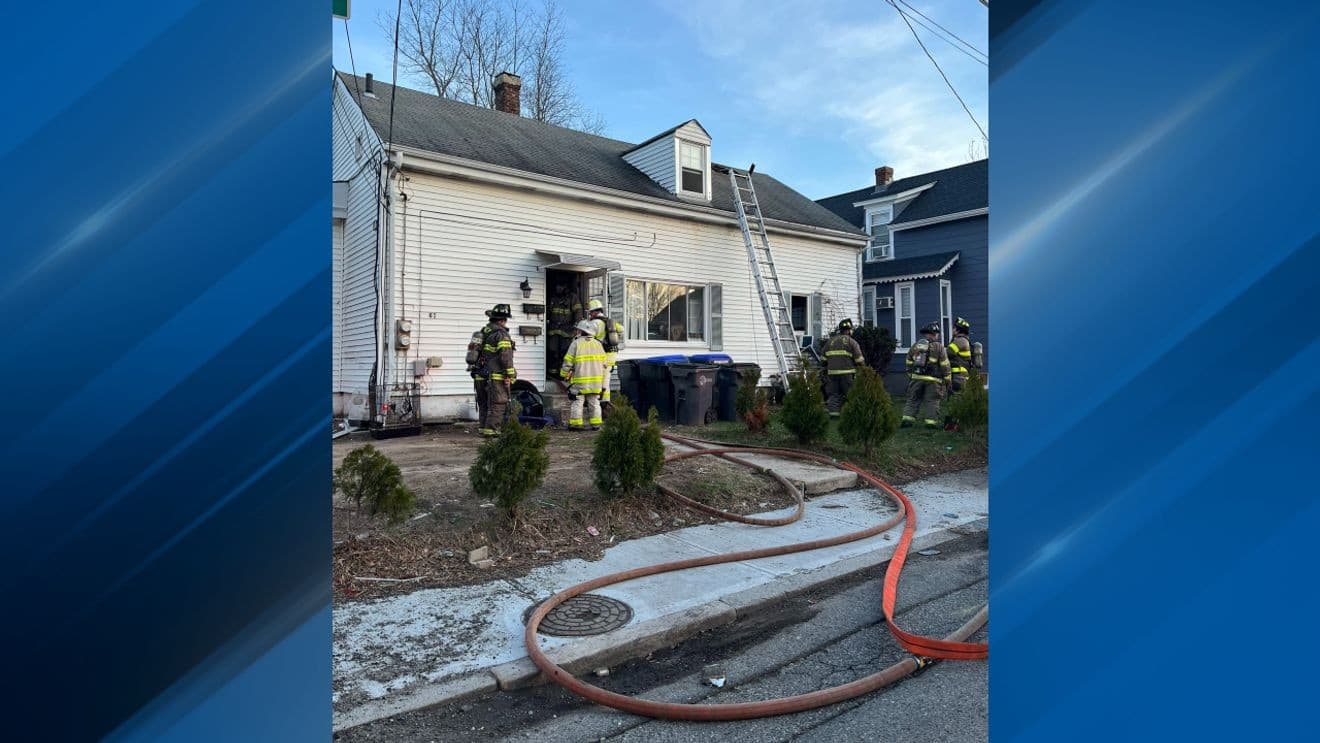
One bird came out of the Vandewater Street fire alive. The other did not.
When Providence firefighters arrived at the burning home on April 3, 2026, the blaze had already started in a first-floor bedroom and was moving fast. All human occupants got out on their own: one adult female and two children, all three later transported to the hospital for smoke inhalation. Crews recovered two dogs, one cat, and one bird alive. A second bird did not survive. Providence Animal Control assumed custody of the surviving animals.
For anyone keeping parrots or other companion birds, the single-sentence gap between "one bird recovered alive" and "one bird did not survive" is the reason to stop and plan today.
Birds don't buy much time in smoke-filled rooms. Unlike dogs or cats, parrots and other psittacines have an extremely efficient flow-through respiratory system built around nine air sacs. Where mammals breathe in cycles, birds move air continuously through their lungs, which means toxins hit them harder, faster, and at higher concentrations. Carbon monoxide, hydrogen cyanide, and volatile organic compounds from burning plastics and synthetic materials can kill a bird in a smoke load that leaves a human coughing but still moving. Heat stress compounds the danger further. By the time a fire is visible and you are reaching for a cage, a bird in an adjacent room may already be in terminal respiratory distress.
The Providence fire started in a bedroom, not the kitchen, but the kitchen remains the most dangerous room in any bird owner's home under ordinary conditions. PTFE-coated nonstick cookware, when overheated above 500 degrees Fahrenheit, releases invisible, odorless gases that are acutely lethal to birds. An overheated pan can kill a bird in a nearby room before a smoke detector triggers. Avian veterinary clinics are consistent on this point: sudden death from PTFE exposure often occurs before treatment can begin. The Pet Poison Helpline operates around the clock at 1-800-213-6680 for exposure emergencies, but getting a bird out of the fume-exposed space immediately is the first and most critical step.
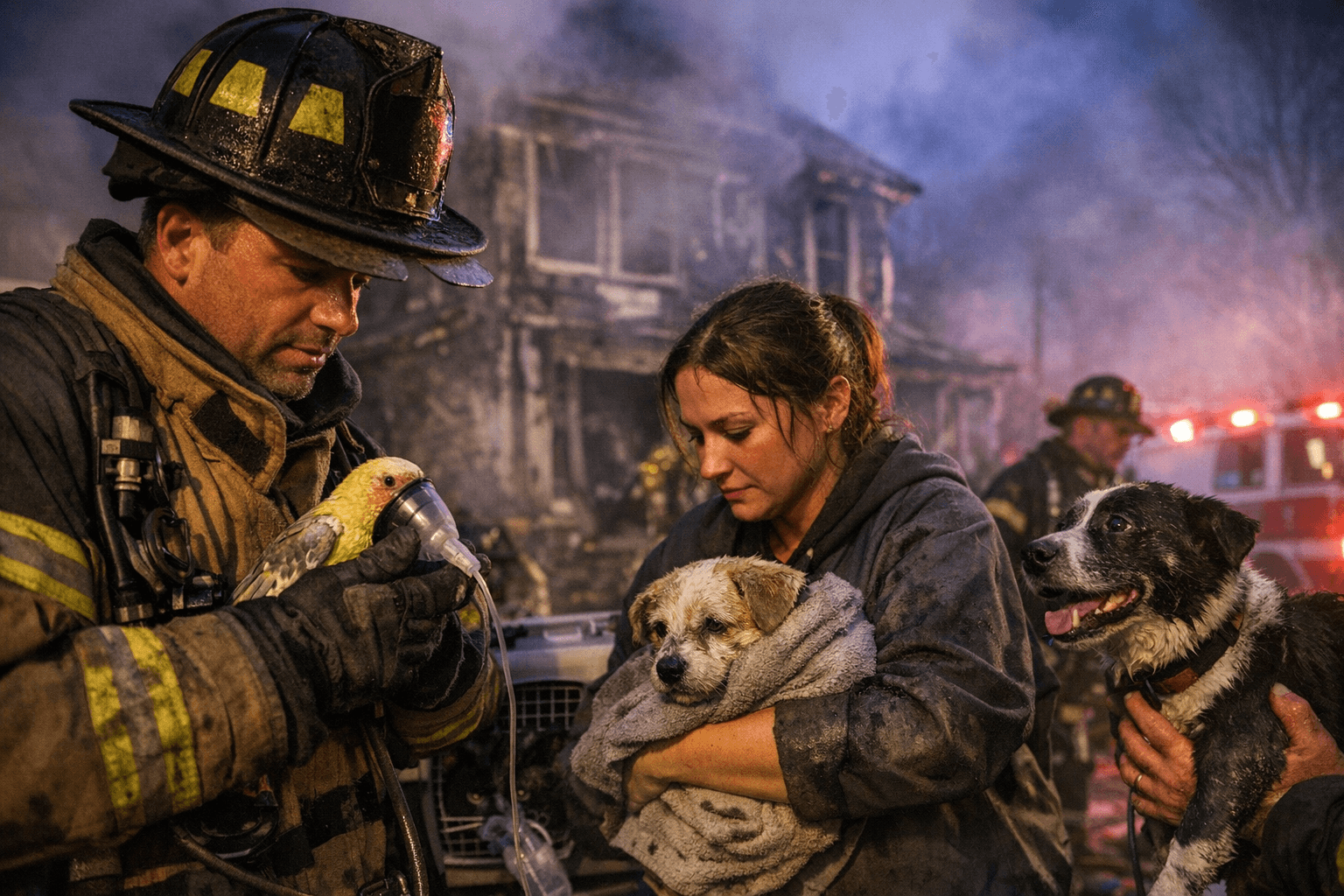
The window between a fire starting and a bird's survivability is measured in seconds. Every bird owner should keep a travel carrier accessible at all times, not stored in a closet but reachable from the cage without searching. A second carrier matters just as much; grabbing two panicked birds with one carrier under stress does not work. A towel and a small flashlight placed near each cage serve a dual purpose: the towel calms a frightened bird during capture and shields it from smoke inhalation during the exit, and the flashlight cuts through the haze that kills overhead lighting. Smoke detectors and carbon monoxide detectors belong in the rooms where birds are kept, not just in hallways where the warning may come too late.
The evacuation plan also needs rehearsal before any emergency. Know which door you use, where carriers sit, and which neighbor, boarding facility, or emergency foster can accept a bird on short notice. Keep the number of a local avian-experienced veterinary clinic alongside standard emergency contacts; not all emergency animal hospitals carry avian-trained staff for an after-hours call.
Providence Animal Control's immediate assumption of care for the surviving animals shows that the infrastructure exists to help after the worst happens. What the Vandewater Street fire makes plain is that preparation before the worst happens is the only variable a bird owner fully controls.
This article was produced by Prism’s automated news system from verified source data, official records, and press releases, then run through automated quality and moderation checks before publishing. The system is built and supervised by the people who set the standards it runs under. Read our full AI policy.
Did this article answer your question?