Renton Cafe Owner Plans Parrot-Friendly Expansion Alongside Famous Soufflé Pancakes
A Renton café owner's plan to photograph soufflé pancakes beside "an actual screaming parrot" has the parrot community asking seven pointed questions.
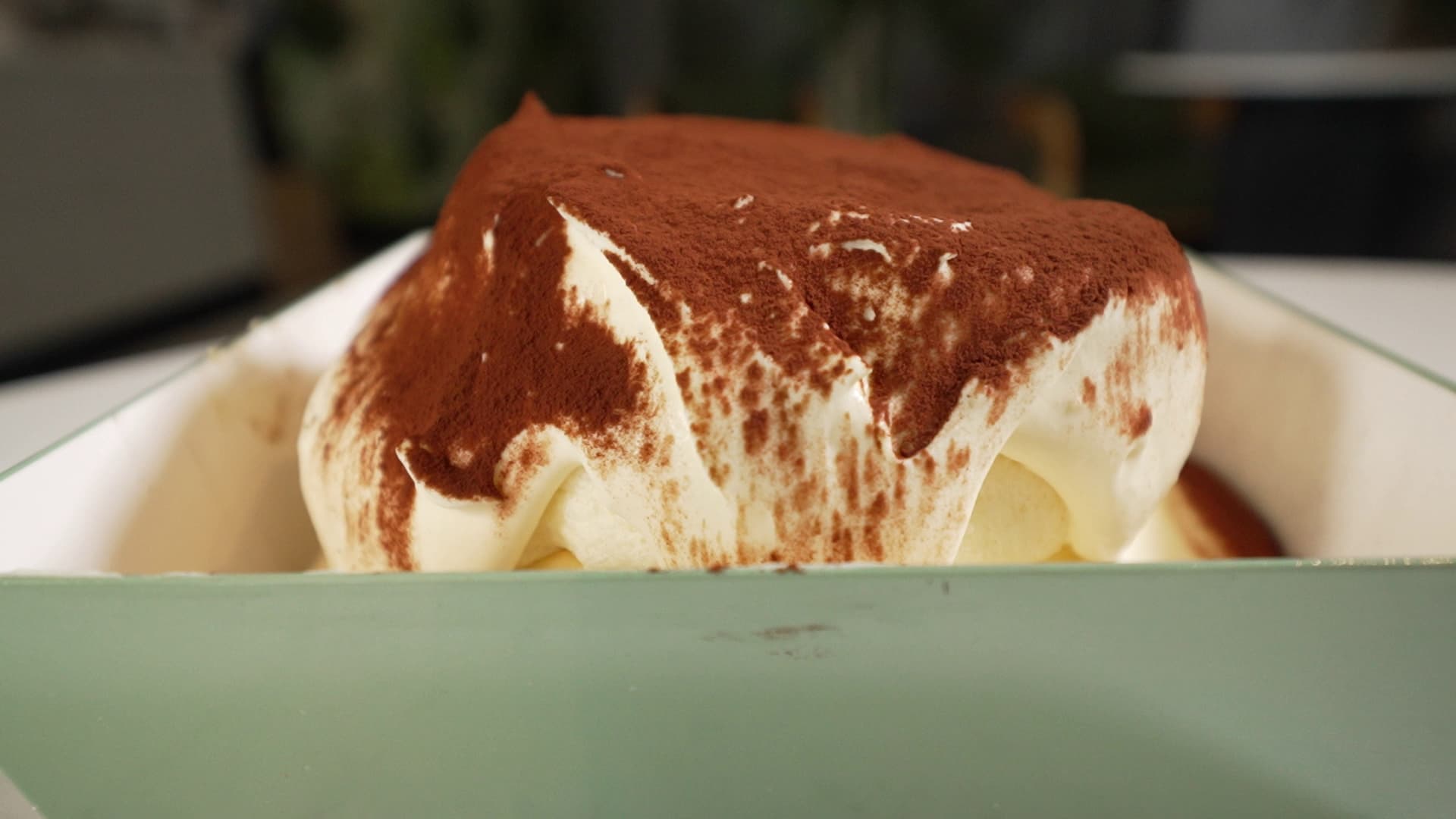
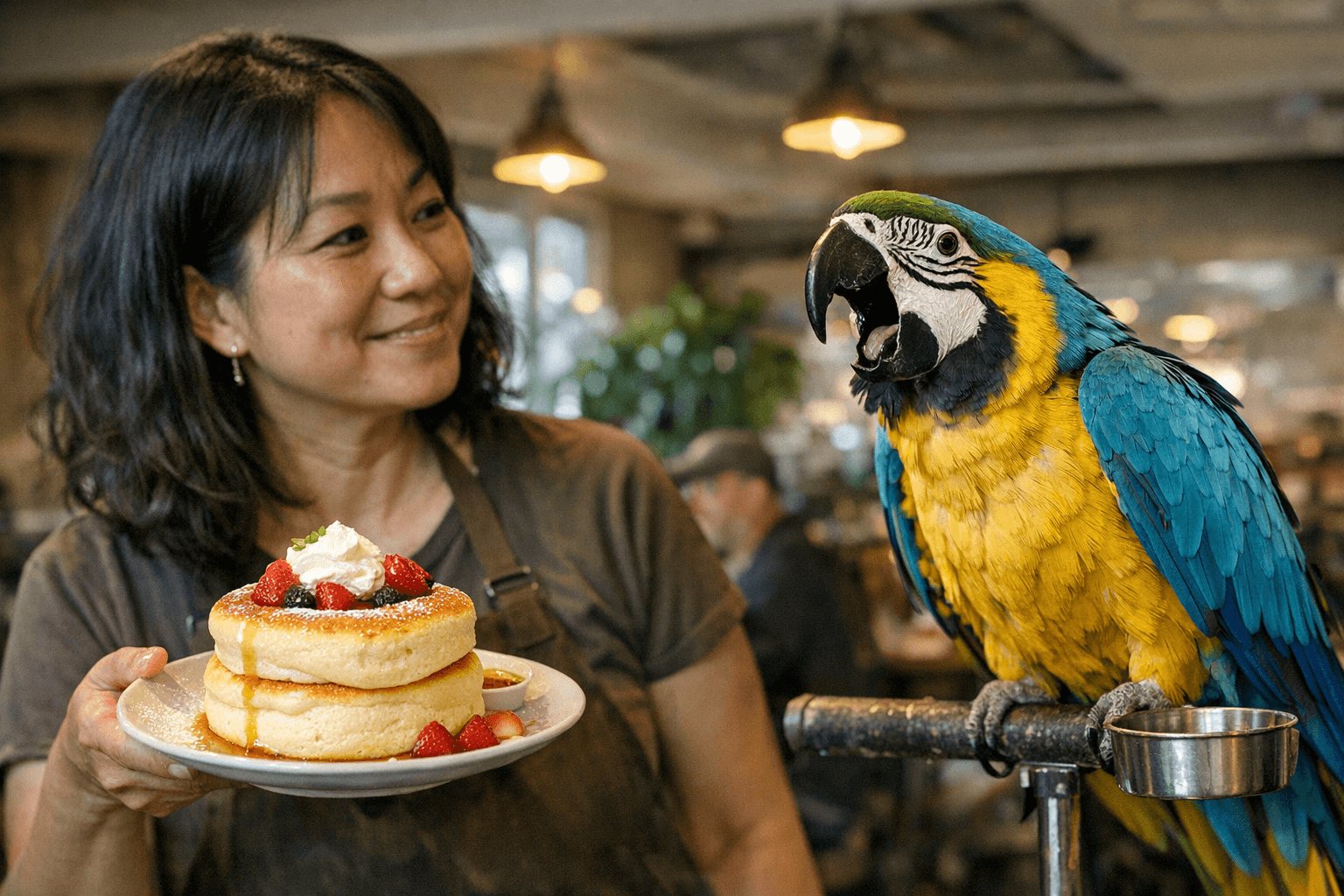
The Screaming Parrots Cafe has always had a name that makes people look twice. The Renton, Washington, café earned its reputation on Japanese soufflé pancakes so popular they draw lines before the doors open, and a KING 5 segment on April 6 brought that reputation to a wider audience. But it was the owner's expansion vision that generated a different kind of conversation: at a planned second, larger location, he told the reporter, "patrons will be able to photograph their soufflé pancake alongside an actual screaming parrot."
The cafe has no live birds today. The owner was careful to frame the idea as a future possibility tied to adequate space and permitting, not an imminent opening. But the aspiration alone restarted a question anyone embedded in the parrot community has heard before: what does it actually take to bring psittacines into a commercial public space without creating a welfare problem?
Parrots are social, intelligent, long-lived animals, and a busy dining room is almost exactly the environment their stress responses are built to react to. Unpredictable noise, strangers reaching in close, and hours of unrelenting stimulation are the conditions that produce feather-destructive behavior, immune suppression, and behavioral problems that can persist for years. Washington's animal control, public health, and business permitting agencies would all need to weigh in before any live-bird plan cleared regulatory review, and avian veterinarians and welfare organizations typically impose their own requirements before a bird enters a public venue.
Parrots are not props, and the gap between a well-managed live-bird experience and an exploitative one usually comes down to the details operators discuss before the first permit is filed. If any business announces a live-parrot encounter, these seven questions cut through the marketing and go straight to welfare:
1. Is there a dedicated off-floor retreat space where birds can withdraw from customers entirely?
2. What are the exact handling rules, and who enforces them in the moment?
3. How many hours per day are the birds in public view, and what hard limit governs that schedule?
4. Is there a named avian veterinarian providing regular oversight, not just emergency access?
5. What is the infectious disease protocol if a bird shows signs of illness during service hours?
6. Have public-facing staff received formal training in parrot behavior and stress signals?
7. Is there visible educational signage about feeding restrictions, and does it explain the consequences of a wrong diet?
An operator who generalizes or hedges on those questions is treating birds as decoration. The Screaming Parrots Cafe may yet deliver on its owner's vision; if it does, the birds' welfare will depend entirely on whether the planning behind it was as deliberate as the soufflé.
Know something we missed? Have a correction or additional information?
Submit a Tip