Small Cockatoo Care Guide Helps Buyers Choose the Right Bird
Small cockatoos still ask for big-time commitment, and the deciding factors are noise, dust, daily attention, and decades of care.
Why a small cockatoo is still a big decision
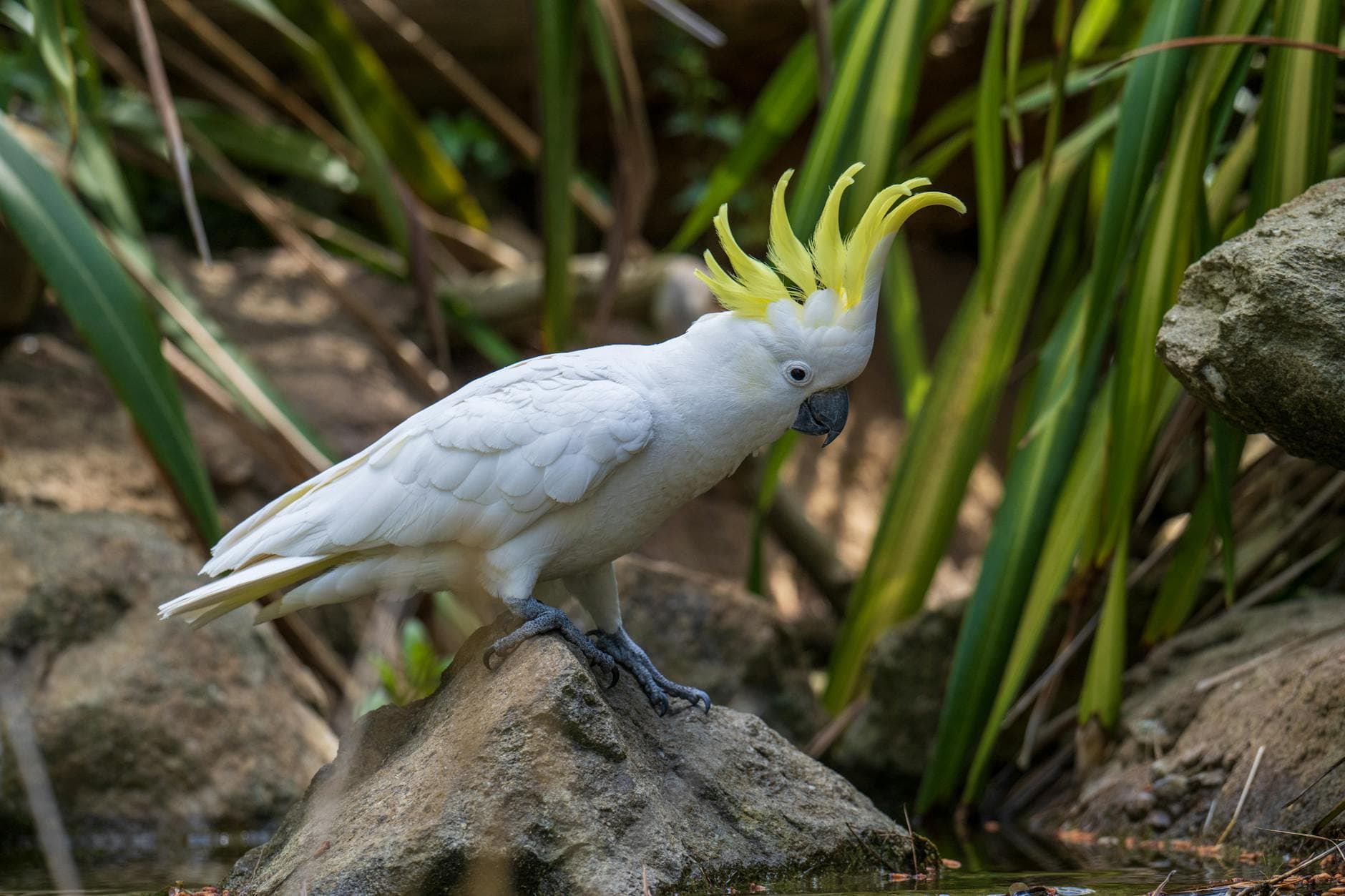
A small cockatoo can look like the “manageable” version of a famously demanding parrot, but size is the least important part of the equation. Cockatoos are long-lived companion birds, and the Association of Avian Veterinarians stresses that many pet birds are in it for the long haul, not a short chapter of pet ownership. That reality matters because the smallest white cockatoo, the Goffin’s cockatoo, can still bring the same core needs as a larger umbrella or sulphur-crested cockatoo: time, structure, enrichment, and daily social contact.
That is the trap for a lot of buyers. A bird may be smaller, but it is not suddenly quiet, low-maintenance, or emotionally self-sufficient. If you are weighing one for your home, the real question is not whether it fits on your shoulder. It is whether your household can handle cockatoo-level commitment for years, and in some cases decades.
Know the birds before you fall for the size
The species comparison in any serious cockatoo guide should make one thing clear: not all cockatoos are the same, and not all are equally suited to a typical home. Sulphur-crested cockatoos and umbrella cockatoos are larger, more imposing birds, while Goffin’s cockatoos are widely described as the smallest white cockatoo and are native to the Tanimbar Islands in Indonesia. That comparison helps you think through cage footprint, handling, and the kind of presence the bird will have in your living space.
The broader conservation picture also matters. Cockatoos are native to Australia, New Zealand, and the South Pacific islands, and AAV materials note that many free-ranging species are threatened or endangered. BirdLife International and other conservation sources point to deforestation and trade as major pressures on some species, which is a reminder that purchase decisions are part of a much bigger picture. A cockatoo is not just a pet choice; it is a species choice with welfare and conservation implications attached.
Daily care is a system, not a shopping list
Food matters, but food alone does not make a cockatoo thrive. The same goes for housing. A roomy cage is only one piece of the puzzle, because a bird with poor enrichment or too little attention can still develop serious behavior problems even if the setup looks impressive. That is why the best care plans treat nutrition, housing, training, and social time as one connected system.
RSPCA guidance is especially useful here: pet birds need an environment that lets them safely do the things they would naturally do in the wild, including flying, climbing, perching, hiding, feeding, and roosting. It also stresses enrichment, because a pet bird cannot behave exactly as it would in nature, and you have to build those opportunities into the bird’s day. For a small cockatoo, that means the basics need to be consistently in place, not improvised after problems start.
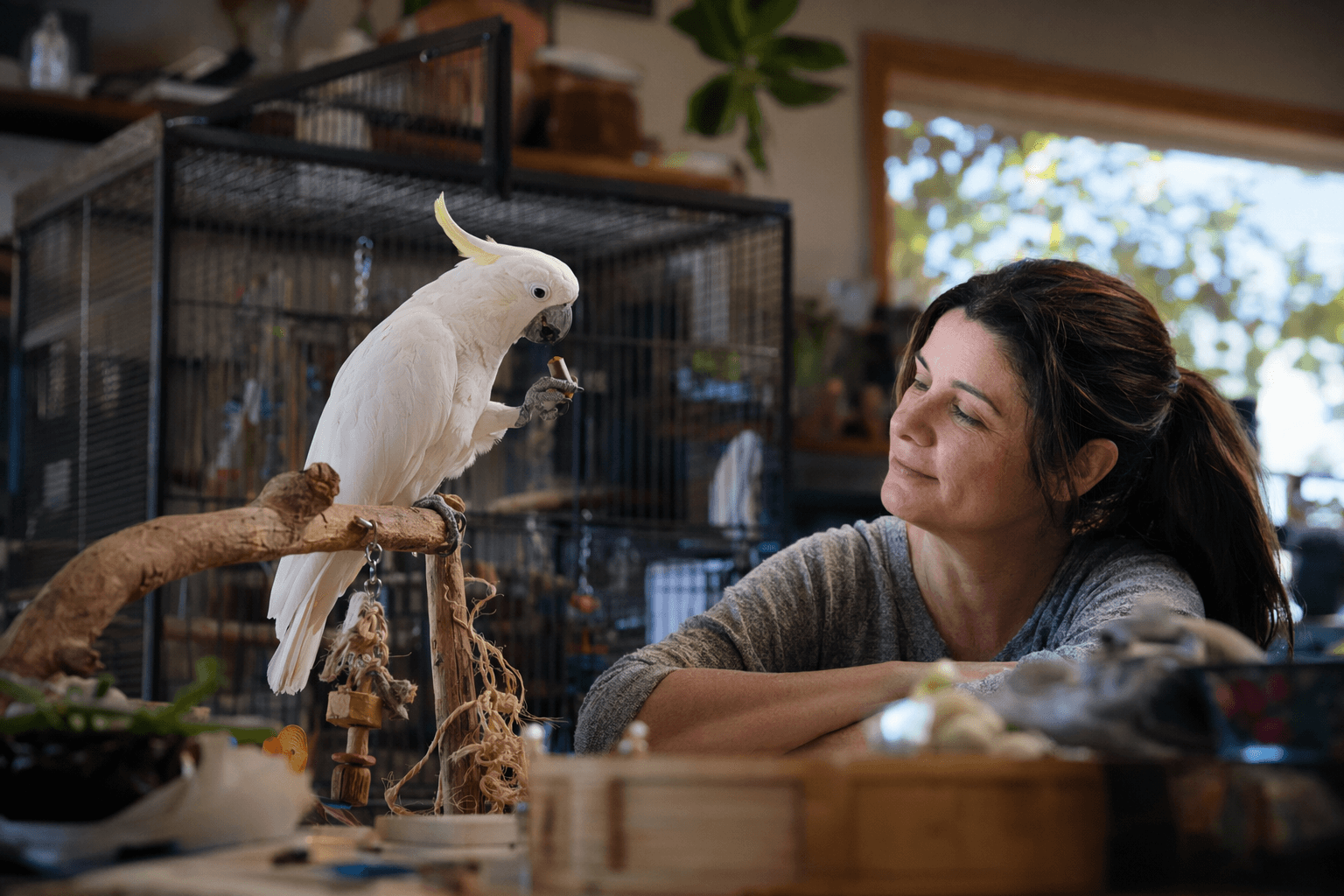
A realistic daily setup looks like this:
- A safe, spacious cage or enclosure that supports movement, not just confinement
- A varied diet that is planned rather than guessed at
- Time outside the cage for flying, climbing, and supervised activity
- Foraging and enrichment that keeps the bird’s mind busy
- Regular interaction so the bird does not have to invent attention-seeking behaviors
The phrase “small cockatoo” should never be read as “easy cockatoo.” The care load is still cockatoo-level.
Socialization and training are not optional extras
Cockatoos are companion birds first. They want routine, attention, and interaction that feels structured rather than random, and that need does not shrink just because the bird itself is smaller. Training helps channel that energy into something workable, but it only works when it is steady and patient.
This is where many households get caught out. If you want a bird that can be parked in a cage for long stretches, then handled only when it is convenient, a cockatoo is a poor fit. Birds with this kind of social demand usually struggle in homes that are inconsistent, noisy in the wrong way, or too busy to provide predictable one-on-one time. A small cockatoo may look easier to manage, but the emotional demand can be just as intense as with a larger bird.
The long-life reality changes everything
One of the most important planning details is lifespan. A commonly used care guide places Goffin’s cockatoos at about 30 to 40 years on average, and larger cockatoos can live even longer. That turns the decision from a casual purchase into a long-term household commitment that has to survive changes in schedule, housing, finances, and family life.
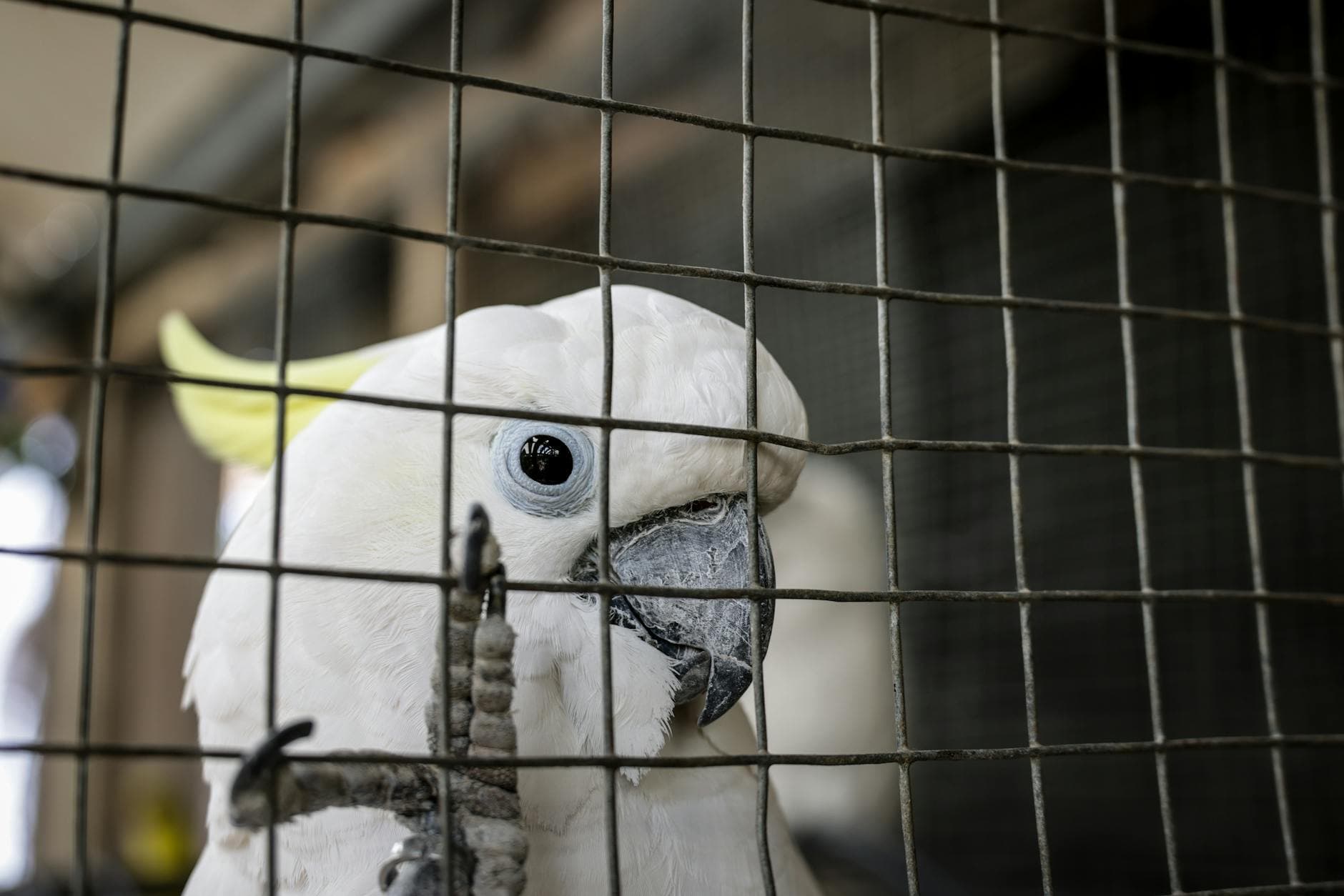
The Association of Avian Veterinarians has pet bird care resources for a reason. It knows that people often expect a rewarding relationship that lasts a long time, and that expectation only holds up when you build in regular avian-veterinary care. Routine checkups, weight monitoring, and early attention to changes in behavior or appetite all matter because prevention is far easier than trying to correct problems after they become entrenched.
Health problems usually start with husbandry problems
Cockatoo health is tightly tied to how the bird is kept. Poor diet, weak housing, and low stimulation can all set the stage for trouble, which is why good care is preventive rather than reactive. You do not wait for a bird to show signs of stress before you fix the environment that caused it.
That is also why the “nice cage will solve it” mindset fails so often. A bird can have excellent food and still struggle if it lacks daily engagement. It can have a large enclosure and still become frustrated if the setup does not allow for natural behaviors. The healthiest cockatoo homes are the ones that stay ahead of problems by keeping the bird busy, secure, and socially included.
Paperwork and conservation are part of the purchase decision
If you are considering a legally sourced bird, travel, or transfer across borders, the rules matter. The U.S. Fish & Wildlife Service says a one-time import, export, or re-export of a CITES-listed pet bird may require a permit, and that affects birds in the cockatoo world as well. For buyers, that means the decision is not just about finding the right bird. It is also about making sure the bird’s movement and ownership fit the law.
This is one more reason to slow down before buying. Cockatoos are not disposable pets, and the legal and conservation landscape around them reflects that reality. Trade restrictions, habitat loss, and long-lived care needs all point in the same direction: this is a serious commitment, not an impulse buy.
For the average hobby household, the best small cockatoo is not the bird that simply looks easier to place. It is the bird whose noise, dust, attention needs, enrichment load, and decades-long care requirements fit the life you actually live.
This article was produced by Prism’s automated news system from verified source data, official records, and press releases, then run through automated quality and moderation checks before publishing. The system is built and supervised by the people who set the standards it runs under. Read our full AI policy.
Did this article answer your question?