Wild Cockatoos Spread New Food Choices Through Social Learning Quickly
Four trained cockatoos sparked a food trend that reached 349 birds in 10 days, showing pet keepers how quickly flock cues can shape eating habits.
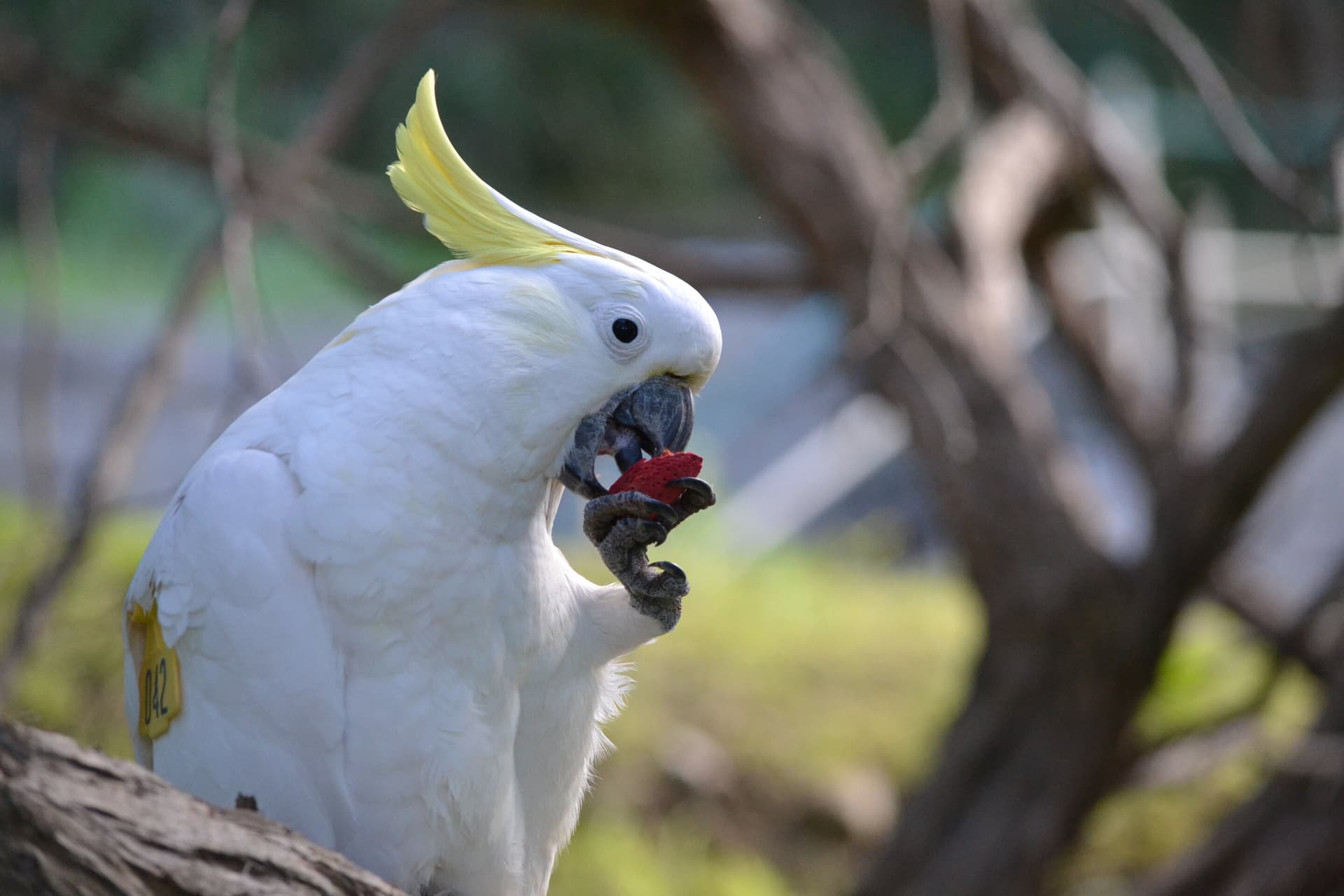
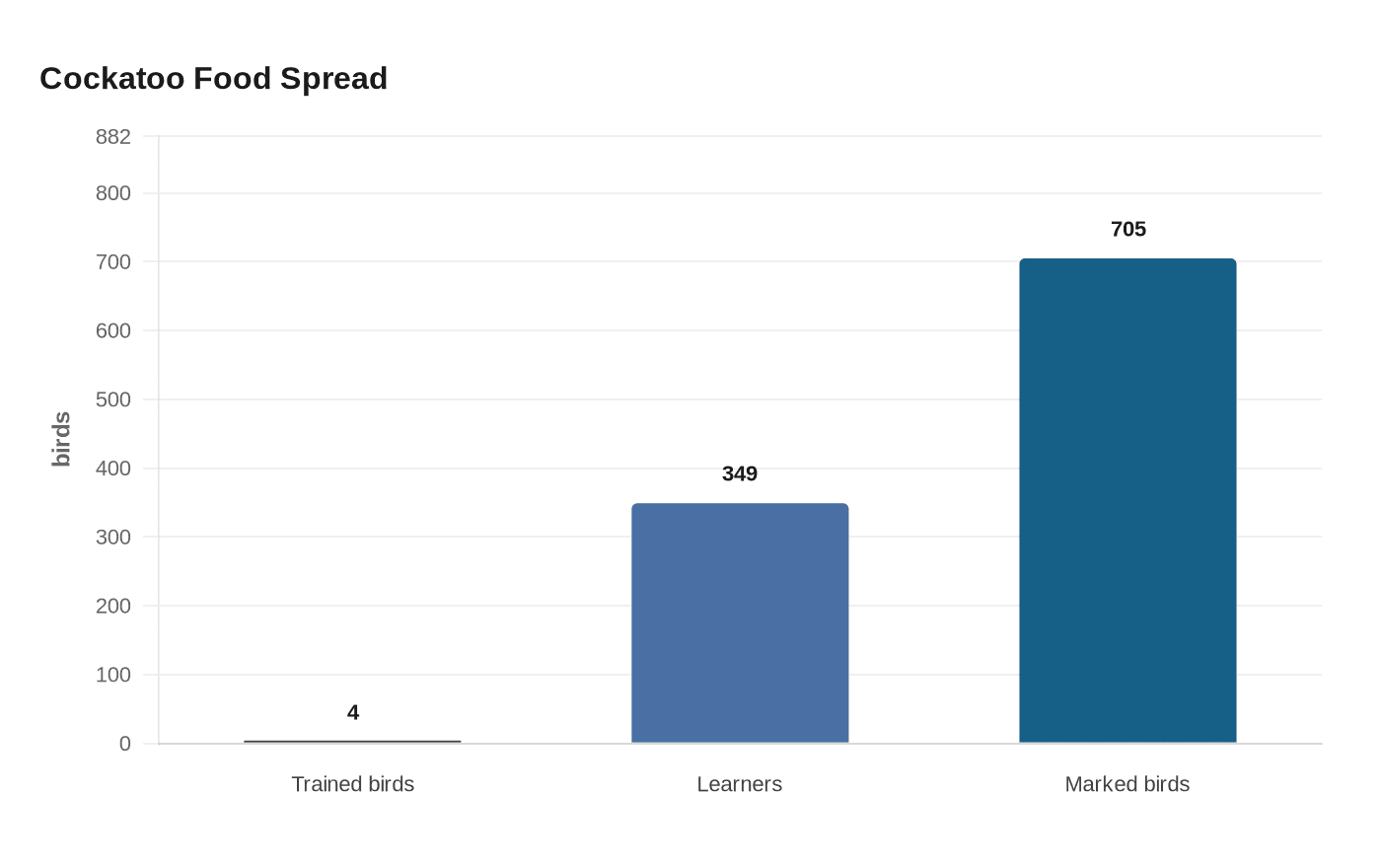
A handful of cockatoos changed the menu for an entire flock in central Sydney. After just four birds were trained on blue or red painted unshelled almonds, 349 sulphur-crested cockatoos had learned to eat the novel food within 10 days, a fast spread that points to social learning as a powerful force in how parrots decide what is safe to eat.
The study, published in PLOS Biology on April 30, 2026, tracked five neighbouring roosts of 705 individually marked birds. Julia Penndorf, Lucy Aplin, Barbara Klump, John M. Martin, Sonja Wild and B.J. Barrett followed how the new food moved through the network, and the analysis of 214 learners out of 322 birds with social information showed that the behaviour spread almost entirely through copying rather than isolated trial and error.
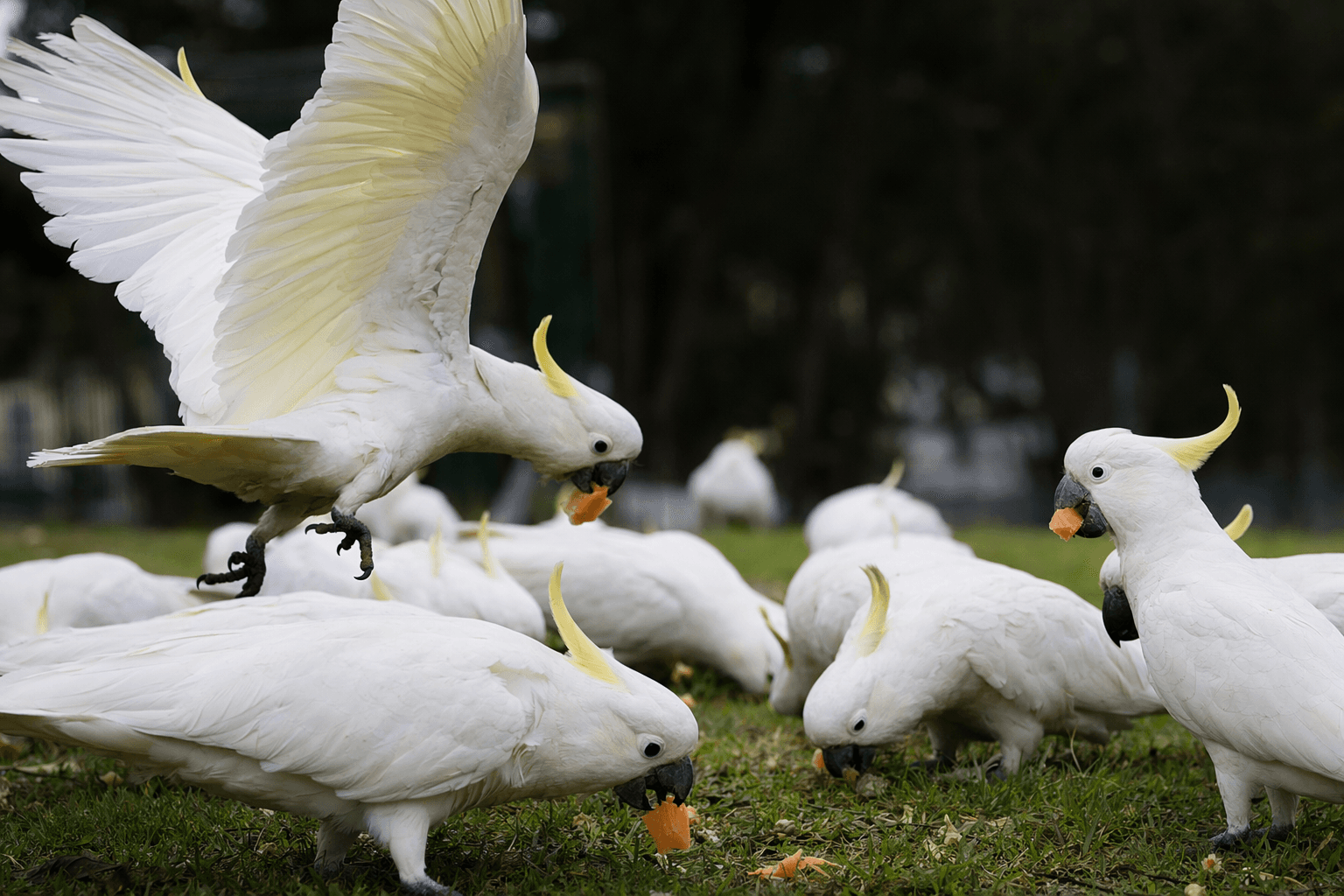
What stood out most for parrot owners was the age split. Juveniles showed a stronger conformist bias than adults, meaning younger birds were more likely to prefer whichever almond colour was most popular in their social group. Adults were different. They were more likely to learn from roost mates, and male birds were especially influenced by the behaviour of other males. In practical terms, the study suggests that young parrots may be the quickest to follow a visible flock cue, while older birds may need a closer social tie before they take the same step.
That matters in the home, where a nervous bird can reject a new pellet, vegetable or treat simply because it looks unfamiliar. The clearest lesson from the Sydney cockatoos is to use a trusted role-model bird when introducing new foods, then repeat the presentation calmly until the group treats it as normal. The birds in the study were not pushed into a one-off test; they were given repeated exposure near roosting sites, and that steady familiarity helped the new choice spread.
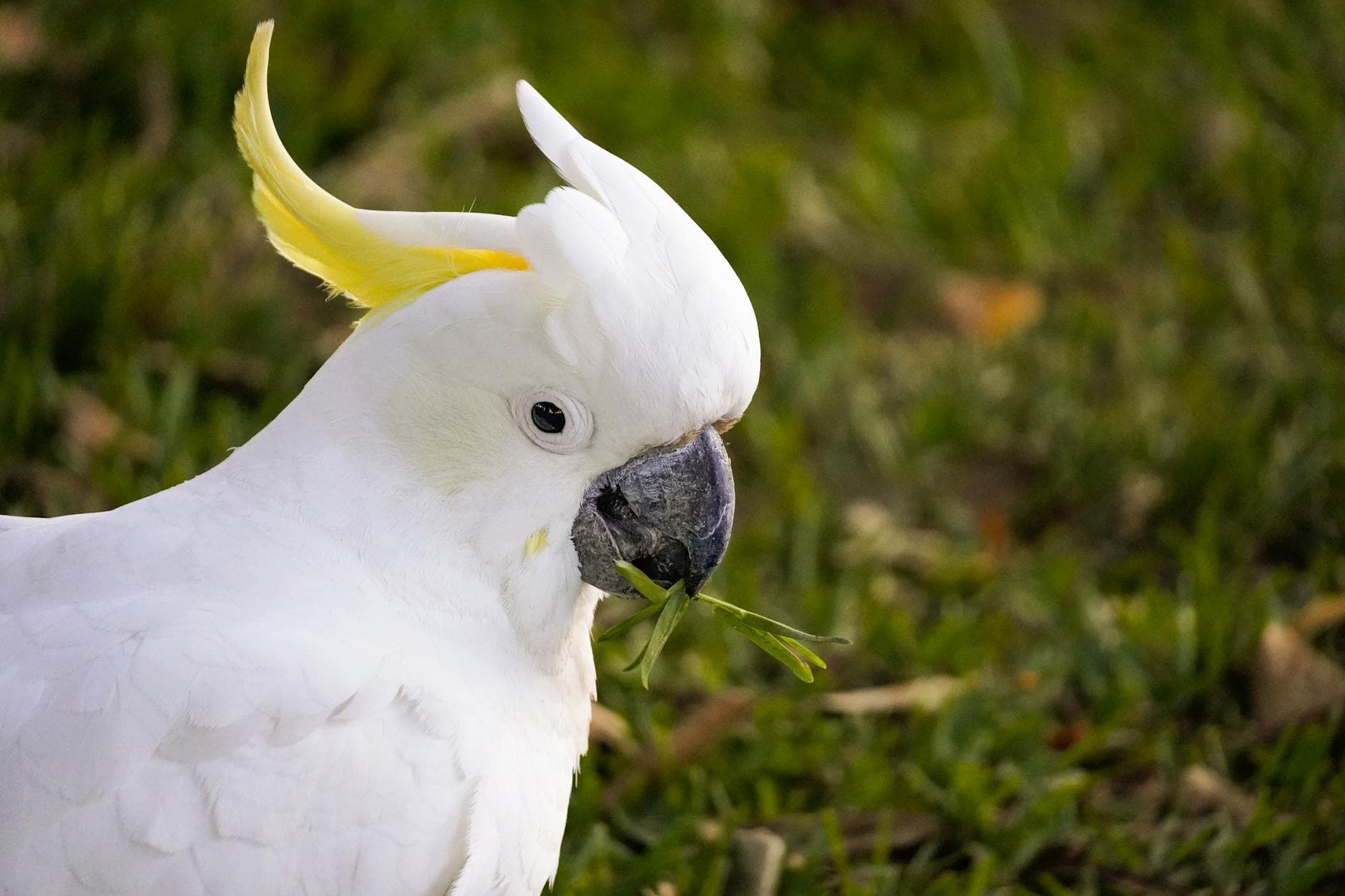
The same research team has seen this pattern before. Earlier Australian National University work showed sulphur-crested cockatoos in southern Sydney spreading the skill of opening kerb-side wheelie bins from three suburbs to 44 suburbs through social learning, with local differences in technique. That broader effort, part of the Clever Cockie Project, tracks cockatoo innovation in Sydney and Canberra through direct observation and citizen-science reports.
The new food study adds another layer: parrots do not just copy what works, they copy whom they trust, and age changes how that copying happens. For flock keepers, the safest path is simple: let one confident bird lead, keep the setting low-stress, and give the group time to learn together.
This article was produced by Prism’s automated news system from verified source data, official records, and press releases, then run through automated quality and moderation checks before publishing. The system is built and supervised by the people who set the standards it runs under. Read our full AI policy.
Did this article answer your question?