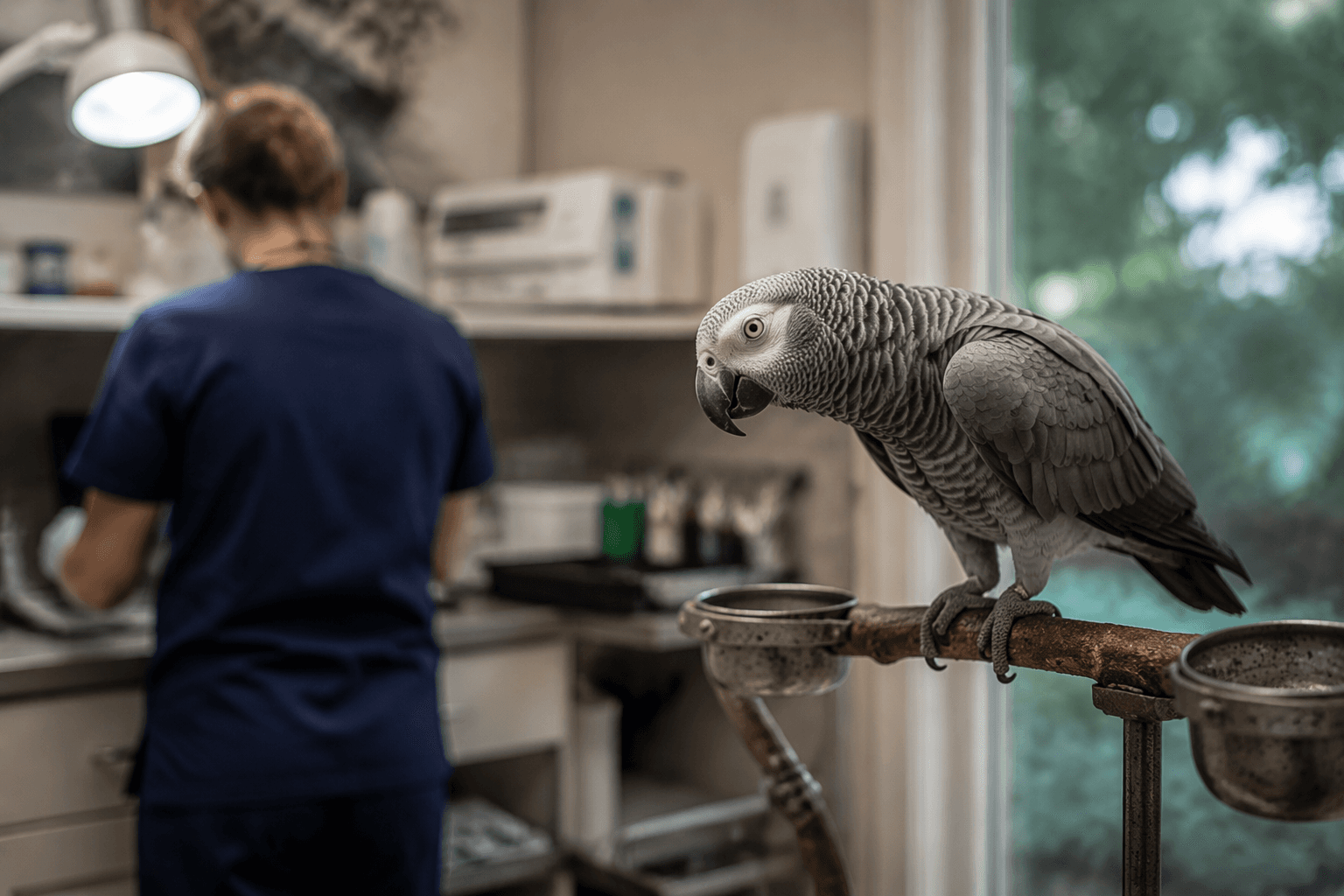
Summer heat can quickly endanger parrots, vet warns owners
Open-mouth breathing and wings held away from the body are the first heat-stress clues AAV is flagging as parrots face fast summer danger.
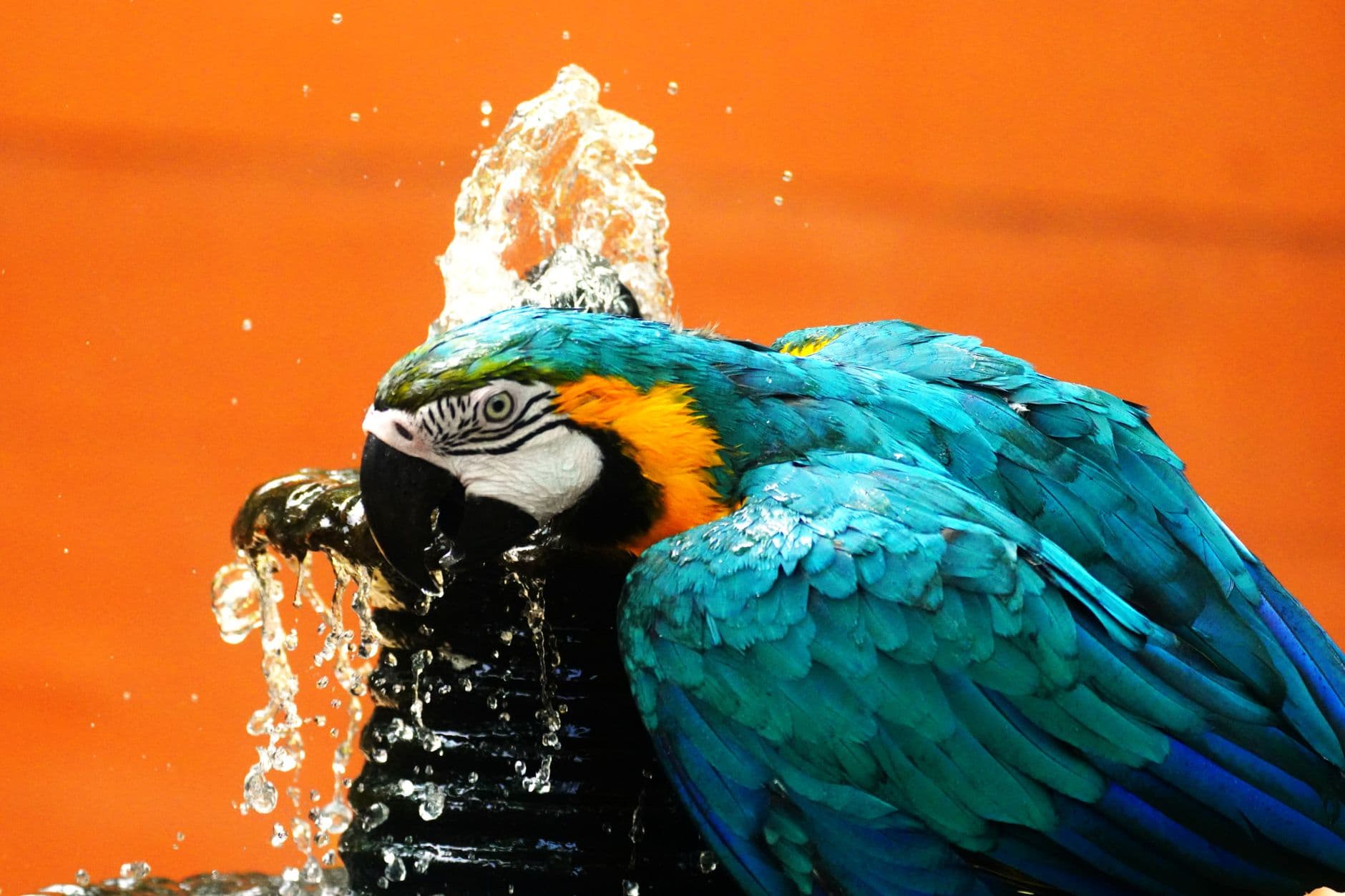
The Association of Avian Veterinarians’ summer reminder, “Some Birds Like It Hot!”, puts the spotlight on a problem parrot owners can miss until it turns urgent: heat stress can move from mild discomfort to dehydration, weakness and collapse in very little time.
A bird that seems merely quiet in a hot room may already be struggling. A cage too close to a sunlit window, a car ride without proper climate control, a poorly ventilated room or a backyard setup that feels comfortable to people can all push parrots and other companion birds into trouble because they have limited ability to escape heat or regulate it the way mammals do.
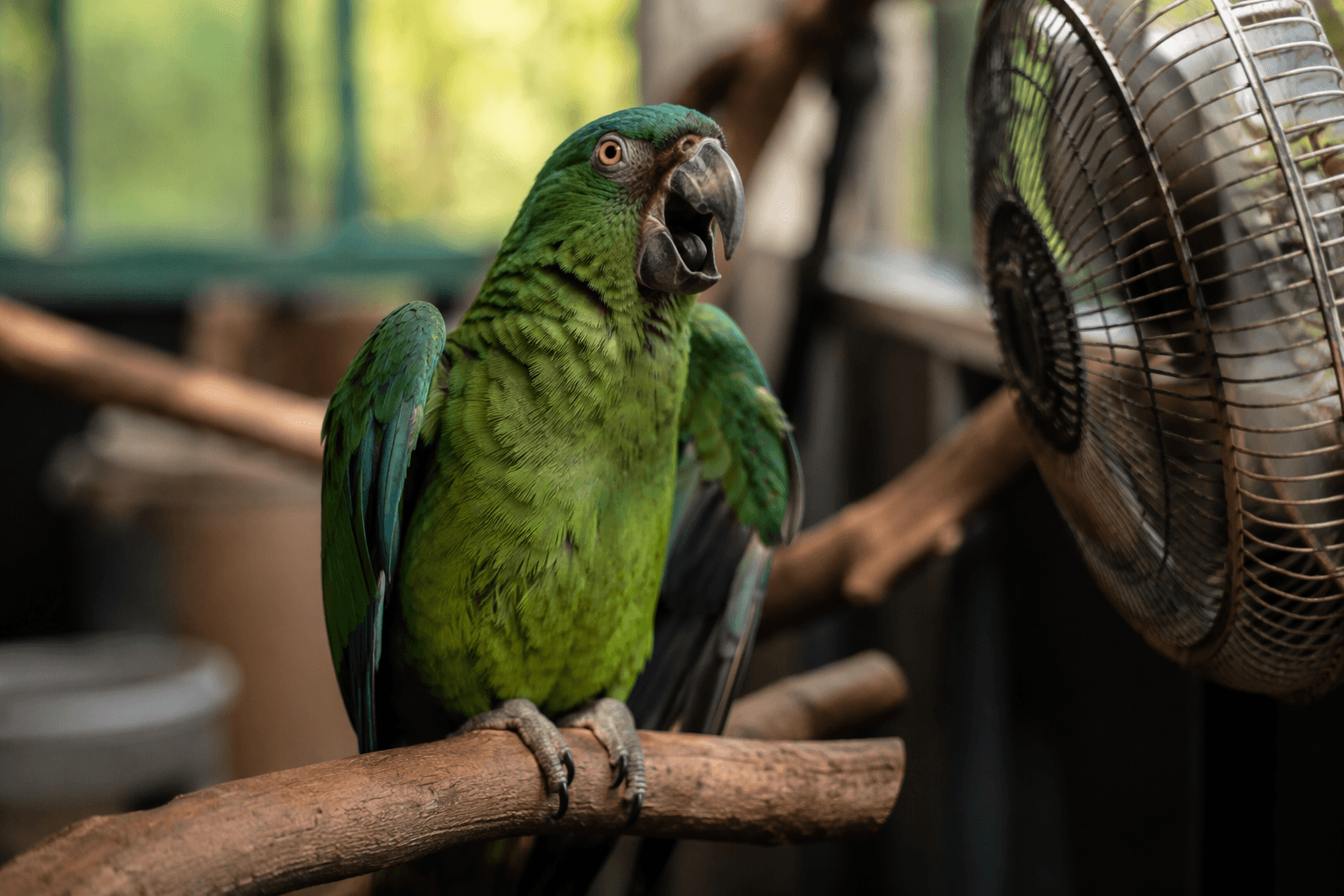
Move the cage out of direct sun today, and check the room where your bird spends the hottest part of the day. Keep fresh water in place, make sure shade and airflow reach the cage, and be cautious with outdoor time when temperatures climb. If you travel with a parrot, the carrier and the car need reliable cooling, not a short stop in a warm vehicle while you run an errand. In rescue settings, foster homes and houses with multiple birds, one bad environmental choice can affect every bird in the room.
The warning signs are subtle at first and easy to shrug off. Watch for open-mouth breathing, wings held away from the body, lethargy, a fluffed posture and a bird that loses interest in food or interaction. Those are not just signs of being “off” for the day. They are the body’s signal that the bird is working hard to dump heat and may be running out of room to cope.
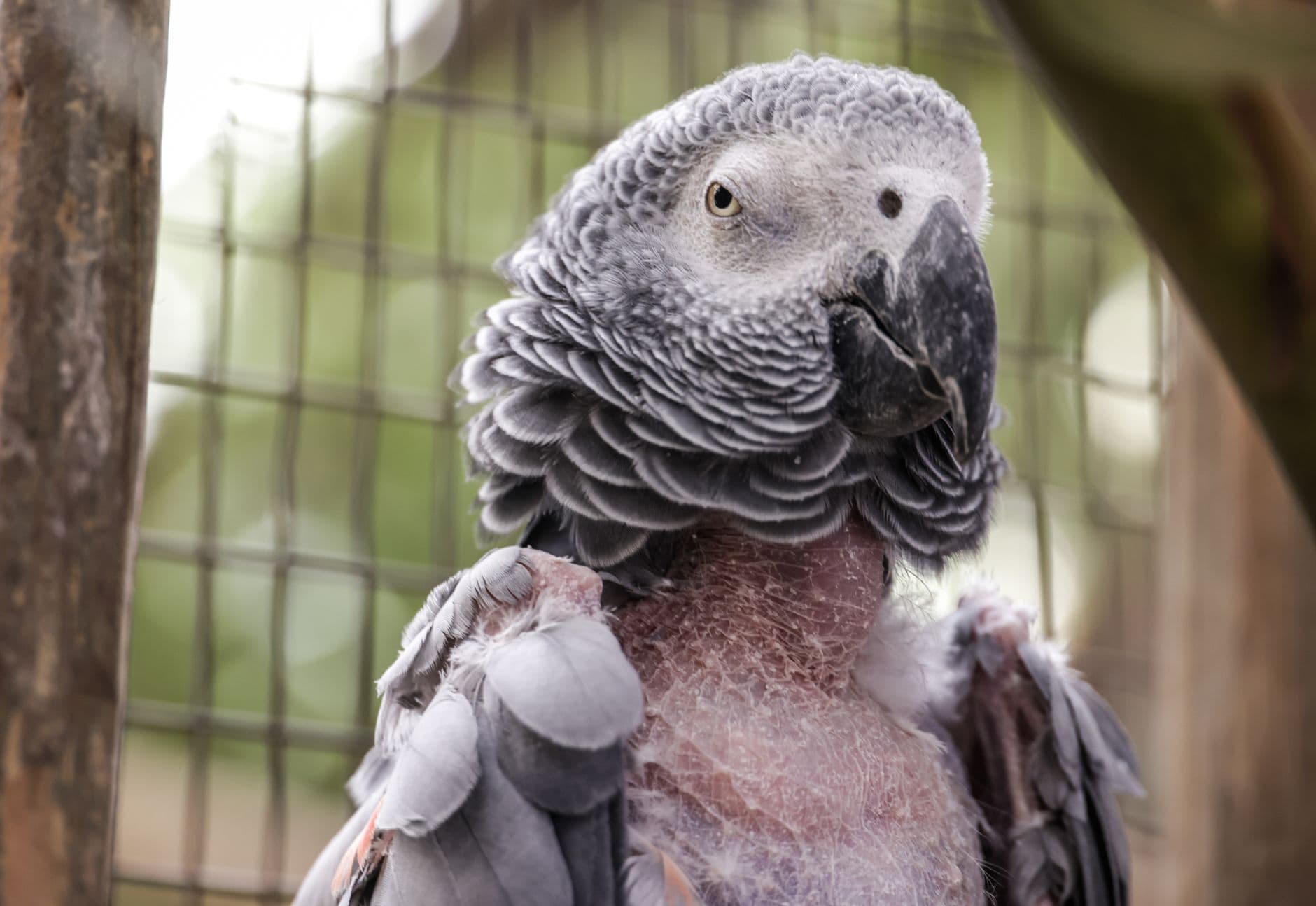
Summer bird care does not have to be complicated, but it does have to be immediate. Shade, water, airflow and a cooler transport plan are not extras when the temperature spikes. They are the difference between a bird that rides out the heat and one that starts panting at the cage bars before anyone realizes the room has become a problem.
This article was produced by Prism’s automated news system from verified source data, official records, and press releases, then run through automated quality and moderation checks before publishing. The system is built and supervised by the people who set the standards it runs under. Read our full AI policy.
Did this article answer your question?