UWA develops bird-recognition app to save Carnaby’s black cockatoos
UWA’s new app could turn scattered Carnaby’s sightings into faster flock counts, as a 10-kilometre corridor south of Mandurah tries to stop the species’ slide.

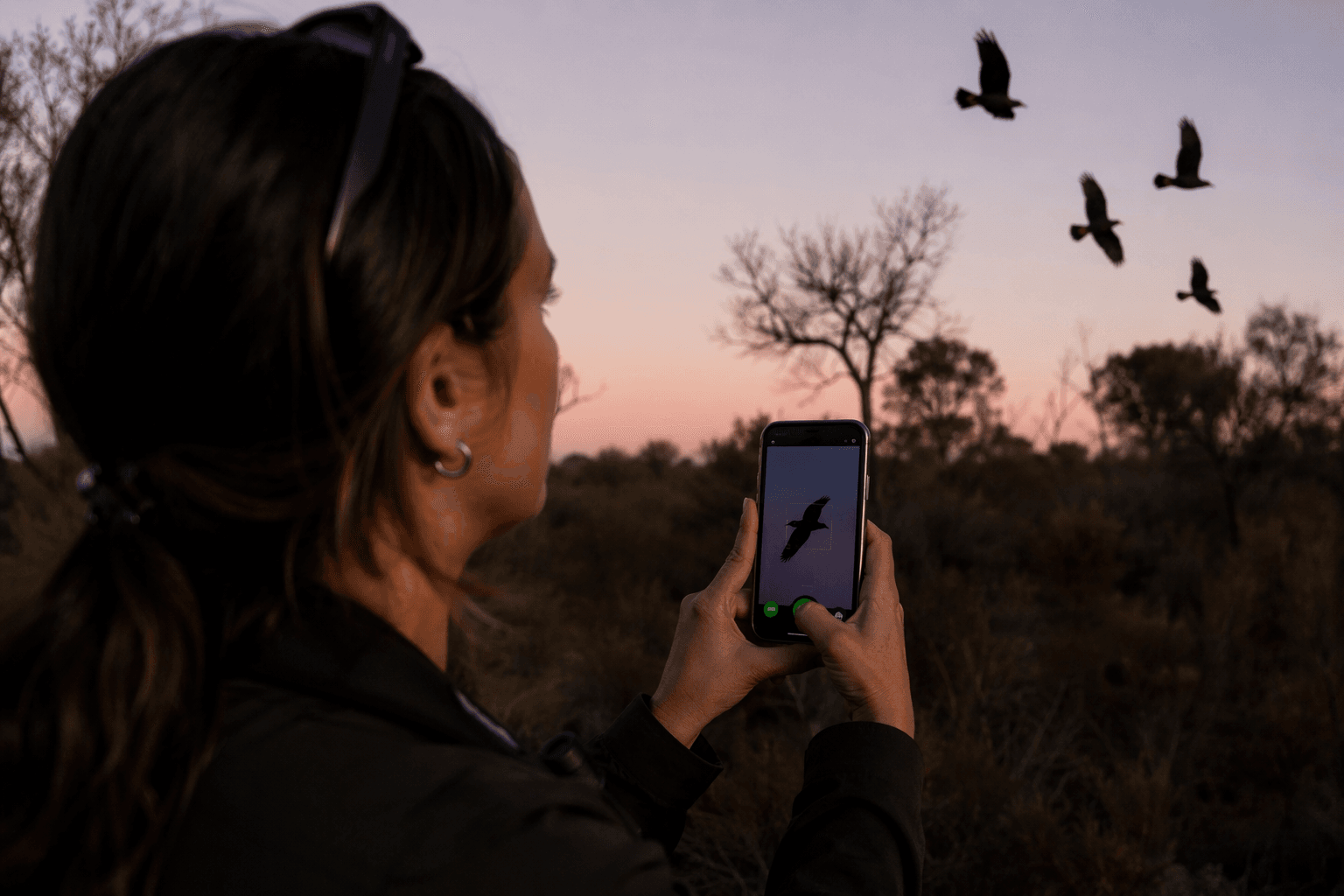
Carnaby’s black cockatoos have been sliding toward a more precarious future for decades, and a new recognition app from the University of Western Australia is trying to make every sighting count. The three-year Corridors for Carnaby’s effort pairs AI bird detection with habitat recovery south of Mandurah, where volunteers will soon be able to upload smartphone photos and video for real-time flock counting.
The push matters because the birds are in trouble on multiple fronts. Federal threatened-species material says Carnaby’s black cockatoos have suffered a 30% contraction in range since the late 1940s, a 50% decline in population and disappearance from more than a third of their breeding range between 1968 and 1990. Conservationists say continued land clearing has pushed the species into a tight corner, and BirdLife Australia says suitable nesting hollows are rapidly being cleared and are now in short supply.
That is exactly the problem the new technology is trying to solve. Older radio-tracking methods have been frustratingly limited, because researchers still know too little about where the birds move, feed and roost. Amazon Web Services and UWA are developing AI-powered tools to detect, identify and count Carnaby’s black cockatoos, with the Carnaby Connect app built to let volunteers send in images and video from their phones. For cockatoo lovers, that could mean sightings that once sat in isolated notebooks become usable rescue data.
The tech is only one part of the plan. Corridors for Carnaby’s has a habitat-recovery target of 1,000 hectares and will plant 200,000 banksia trees along a 10-kilometre corridor south of Mandurah. Amazon has invested AU$3.3 million in the project, which it says is the largest Carnaby’s restoration corridor in Western Australian history, and planting is expected to be finished by 2029. Artificial nests and water stations are also part of the design, a nod to the fact that the birds need more than food. They need breeding sites and drought resilience too.
Professor Kingsley Dixon, the project lead and WA’s 2026 Senior Australian of the Year, has spent years warning that the species is being hammered by clearing, hollow loss and disappearing food plants. The birds nest in hollows of mature eucalypts, especially salmon gum and wandoo, while their feeding grounds come from shrubland and kwongan heath, so breeding and feeding habitat have to stay close together or breeding attempts can fail. The new app and corridor are meant to close that gap before more local populations slip away, one missed flock at a time.
This article was produced by Prism’s automated news system from verified source data, official records, and press releases, then run through automated quality and moderation checks before publishing. The system is built and supervised by the people who set the standards it runs under. Read our full AI policy.
Did this article answer your question?