World Parrot Day highlights lost U.S. parrots and urgent conservation
World Parrot Day is a reminder that U.S. parrots vanished fast, and the same pressures still threaten today's birds, pets and wild populations.
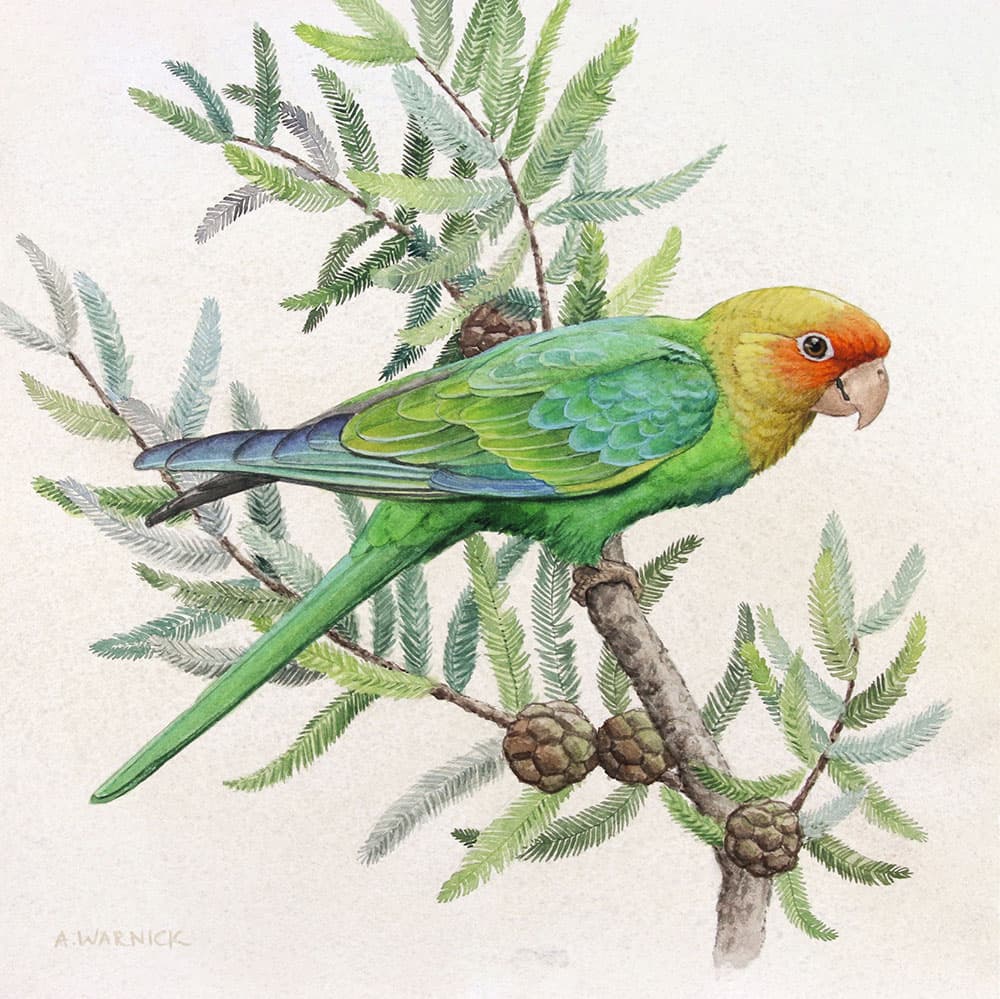
A library post can do what glossy conservation campaigns often miss: make extinction feel close enough to matter. World Parrot Day is usually framed as a celebration of bright feathers and charismatic birds, but the sharper lesson is harder to ignore. The United States once had native parrots, and both of them are gone from the country now.
The U.S. lost its parrots, and the loss was human-made
The Carolina Parakeet is the one that still hits hardest. Smithsonian material says the last one died in captivity on February 21, 1918, closing the book on a species that had already been pushed to the edge by habitat loss, hunting, and the millinery trade. That hat business mattered more than most people realize. One Smithsonian account says the hat trade claimed an estimated 5 million birds of various species in 1886 alone, a number that makes the scale of the pressure impossible to shrug off.
There is still debate over exactly how the Carolina Parakeet disappeared. Researchers have pointed to deforestation, persecution by farmers, disease, and competition from honeybees, while a later genomic study reported by Smithsonian concluded that human causes were likely the sole driver of the species’ abrupt extinction. That matters because it undercuts the comforting idea that rare birds simply fade away on their own. In this case, the chain of damage was built by people, one pressure stacked on another until the species collapsed.
Smithsonian Libraries has even treated the loss as a public warning, using large-scale bronze sculptures of the Carolina Parakeet in an exhibition called *Once There Were Billions: Vanished Birds of North America*. The message is blunt and useful: modern extinction is not an abstract concept. It is a real outcome, and it can happen fast.
The other native parrot never really made it back
The Thick-billed Parrot gives the same history a different shape. It no longer lives in the United States, and by the 1930s it had been extirpated from the country. Reintroduction attempts in the 1980s and 1990s did not restore a lasting U.S. population, so what survives now is a Mexican bird, not an American one.

That survival still counts, but only in a narrow way. Federal and bird-guide sources place the species in the mountains of central Mexico, where it remains endangered and feeds on pine cones. It moves nomadically with cone crops, following the food that pine forests provide. That detail is worth sitting with, because it shows how tightly parrot survival can be tied to intact habitat and seasonal food supply. When those systems break, the bird’s future shrinks with them.
Together, the Carolina Parakeet and Thick-billed Parrot turn World Parrot Day into more than a feel-good observance. One species vanished completely from the continent, and the other lost its U.S. foothold entirely. That is the backstory every parrot keeper, rescue volunteer, and conservation-minded reader should keep in mind when a bright, talkative bird shows up in a cage, a sanctuary intake, or a field guide.
How World Parrot Day became a real conservation push
The holiday itself started in 2004, when the World Parrot Trust organized the first World Parrot Day in London. The campaign was not a vague awareness stunt. It included a rally in Trafalgar Square, a march to the prime minister’s office, and a petition carrying 33,000 signatures aimed at stopping imports of wild parrots.
That pressure helped move policy. The effort is widely credited with building momentum for the European Union’s permanent ban on the import of wild birds in 2007. For anyone who cares about companion parrots, that history matters because it shows how public attention can change the market that feeds exploitation. Conservation is not only about forests and fieldwork. It is also about trade, demand, and the choices made by people far from the birds themselves.
The bigger picture is sobering. The International Union for Conservation of Nature says parrots encompass nearly 400 species worldwide, and one in three parrot species is listed in a threatened category on the Red List. Another way of putting it is that parrots are one of the bird groups most exposed to pressure. The numbers are large enough to feel abstract until you pair them with the Carolina Parakeet’s death in 1918 and the Thick-billed Parrot’s disappearance from the United States by the 1930s. Then the pattern gets unmistakable.
What the local version of conservation looks like
This is where a library post actually earns its keep. Education is not a side note to conservation, and it is not separate from better companion-bird care either. If you understand how fast a familiar bird can disappear under habitat loss, hunting, and trade pressure, you start making cleaner choices about the birds in your own life.
The most practical local actions are simple and immediate:
- Visit a nearby zoo or sanctuary and pay attention to the birds as living animals, not just colorful décor.
- Support a rescue or conservation organization with a donation, even a modest one, if you want your money to do something concrete for parrots.
- Use your local library, or a bird club shelf, to pick up parrot books and learn the species names, histories, and care basics that make better decisions possible.
World Parrot Day works because it links a festive idea to a hard truth. The same public attention that once helped stop wild-bird imports can also keep today’s parrots from becoming tomorrow’s exhibit labels. That is the real lesson hiding inside the library post: when a species starts slipping, awareness is not fluff, it is the first line of defense.
This article was produced by Prism’s automated news system from verified source data, official records, and press releases, then run through automated quality and moderation checks before publishing. The system is built and supervised by the people who set the standards it runs under. Read our full AI policy.
Did this article answer your question?