World Parrot Trust webinar spotlights Nigeria’s parrot conservation progress
Nigeria’s Grey Parrot is gaining better attention, but live-bird seizures and habitat pressure show the fight is far from over.
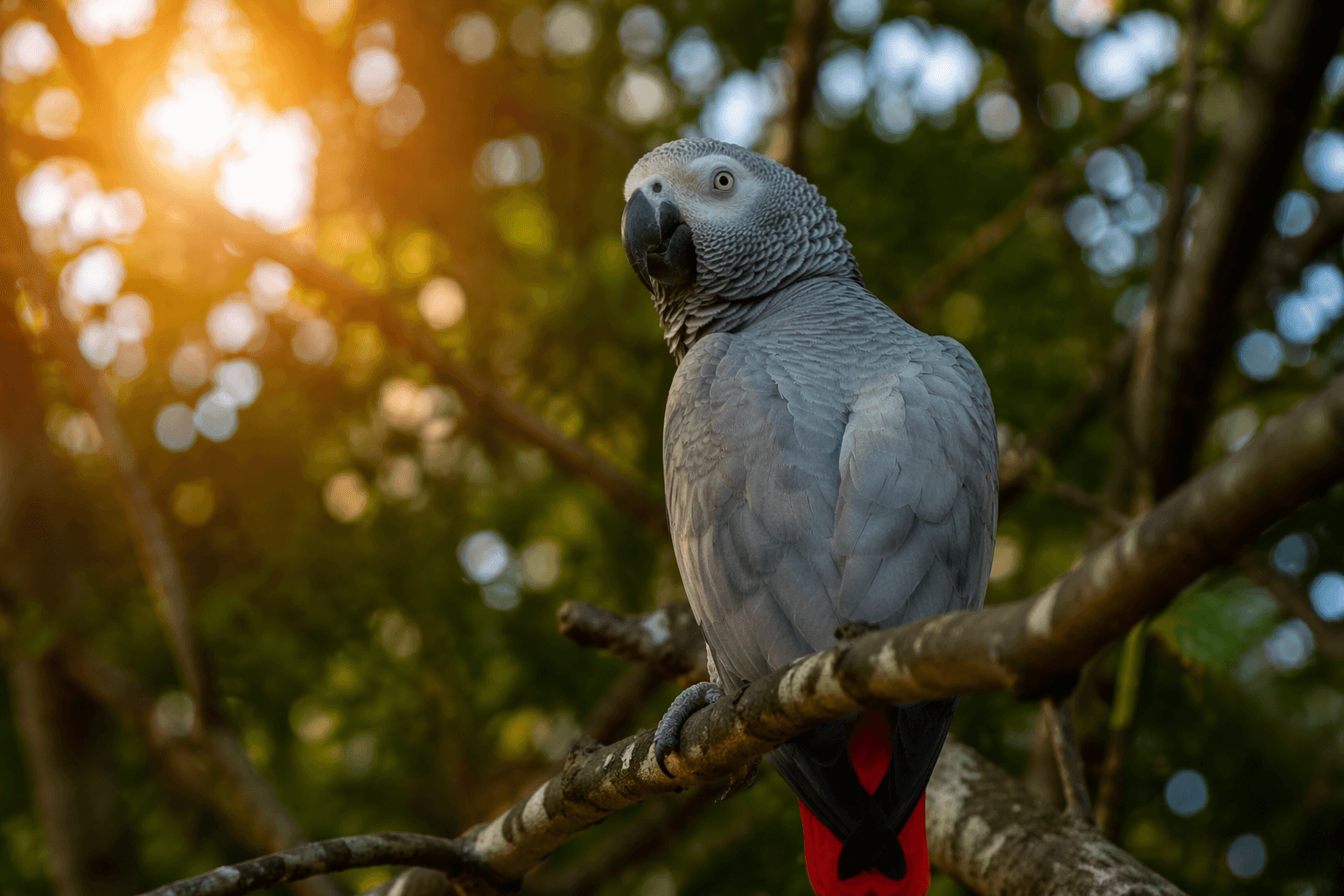
Nigeria’s Grey Parrot story is moving in two directions at once. The World Parrot Trust’s June 4 webinar put fresh conservation progress beside a hard reality: live birds are still being intercepted, and the pressures behind the trade have not gone away.
For parrot keepers, that matters beyond Nigeria. BirdLife International lists the Grey Parrot, Psittacus erithacus, as Endangered with a decreasing population trend, while the International Union for Conservation of Nature says the species is being driven down by international harvest for trade and ongoing habitat loss. World Parrot Trust says the bird’s range runs from Ghana and southern Nigeria to southern Cameroon and parts of central and eastern Africa, and that the population may be as few as 560,000.
The webinar fit into World Parrot Trust’s wider online education stream, which it says covers parrot conservation, behaviour and welfare with guest experts. In this case, the draw was not generic conservation talk but a clearer look at what has changed in Nigeria and what still needs to change if recent gains are going to last.
World Parrot Trust said its Nigeria work included extensive field surveys across 28 forest sites in the Grey Parrot range in Nigeria, led by Nigeria Coordinator Ifeanyi Ezenwa and affiliate Parrot Conservation Trust-Nigeria. A June 3 post from the organization said reliable information on the Endangered Grey Parrot in Nigeria had been limited and largely outdated before 2018, making the new study a significant update. The work was supported by the Critical Ecosystem Partnership Fund and the Minnesota Zoo Foundation’s Ulysses S. Seal Conservation Grants Programme.
The broader habitat picture is just as urgent. World Parrot Trust describes the Guinean forests of West Africa as a globally important biodiversity hotspot and says expansion of oil palm plantations is a major threat to biodiversity in the tropics. That puts forest loss squarely inside the parrot story, not beside it. Grey Parrots help healthy forests regenerate by dispersing seeds, so the loss of the species carries ecological consequences as well as the more visible cost to wildlife keepers and communities.
The enforcement side has also stayed active. World Parrot Trust says Nigeria Customs Service seized Grey Parrots in 2022 and 2023 in operations involving more than 130 birds, and that 111 live Grey Parrots were intercepted in July 2025 while being smuggled from Cameroon. Confiscated birds were rehabilitated by Pandrillus at Drill Ranch in Afi Mountain Reserve, with support for quarantine and flight aviaries in Calabar and Afi Mountain Sanctuary.
That is the tension the webinar captured: the progress is real, but so is the risk. For anyone who keeps parrots at home, Nigeria’s Grey Parrot is a reminder that responsible ownership starts far beyond the cage, with the forests, trade routes and rescue networks that shape whether a species still has a future.
This article was produced by Prism’s automated news system from verified source data, official records, and press releases, then run through automated quality and moderation checks before publishing. The system is built and supervised by the people who set the standards it runs under. Read our full AI policy.
Know something we missed? Have a correction or additional information?
Submit a Tip