Armanino Foods Signals Capacity Push After Record 2025 Results
Armanino Foods issued its first annual letter to shareholders on January 6, 2026, saying the company entered the year from a position of strength after record results in 2025 and is investing to expand capacity and leadership. The letter highlights Armanino’s role supplying frozen pastas, sauces and pesto to retail, foodservice and industrial customers, signaling potential changes in availability and distribution that matter to cooks, retailers and restaurants.

Armanino Foods opened 2026 with a public letter to shareholders that lays out a growth-focused plan tied to strong 2025 performance. The company, a producer and marketer of premium frozen Italian and specialty foods, described record results last year and is directing resources toward capacity expansion and operational leadership to support continued demand.
The letter makes clear that frozen pastas and related Italian categories remain central to Armanino’s business. Armanino supplies retail shelves, foodservice kitchens and industrial customers with frozen pastas, sauces and pesto, and the company is signaling investments aimed at scaling production and distribution to meet those channels’ needs. For industry watchers, the communication offers usable detail on where supply pressure may ease and where new inventory could appear first.
Practical implications for the pasta community range from retailers and restaurateurs to home cooks. Retail buyers and grocery managers should monitor product pipelines and procurement conversations as added capacity can translate into broader SKU availability and more consistent shelf supply. Foodservice operators and distributors will want to check contracts and lead times, since operational investments are intended to support demand coming from restaurants and institutional kitchens. Industrial customers who rely on co-manufacturers or private-label partners could see shorter backlogs and improved fulfillment as production scales up.
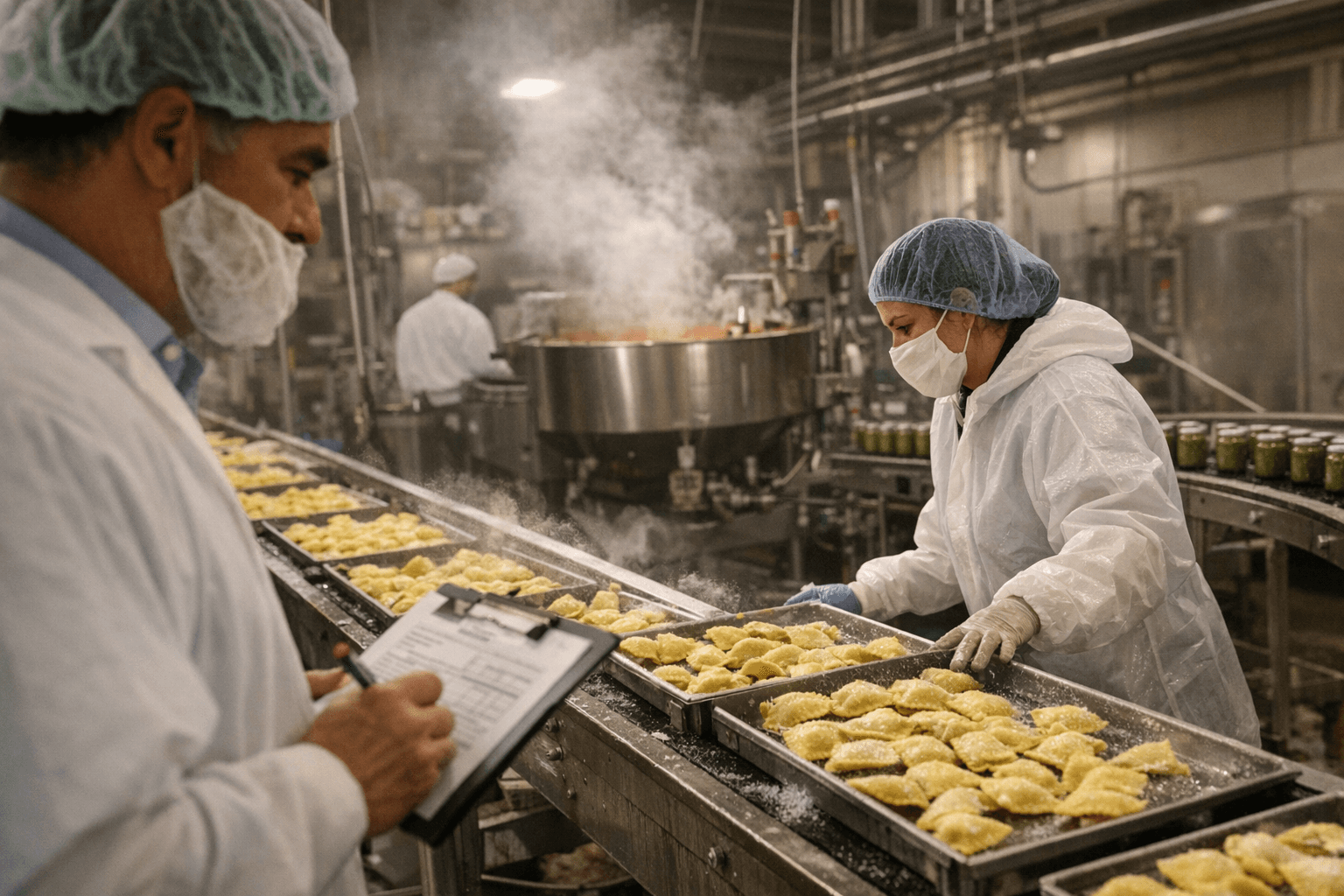
Local economies and food chains may feel secondary effects as well. Expanding capacity typically requires hiring in production, logistics and quality control, and it can prompt closer collaboration between manufacturers and regional distributors. That can mean more reliable deliveries during seasonal peaks and promotional periods, and the potential for new product introductions or packaging changes designed for retail and foodservice workflows.
While the letter is a corporate and financial communication, it contains concrete signals about supply, distribution and capacity for pasta-related products that are directly relevant to readers who handle sourcing, stocking or menu planning. Check with your supplier or distributor for updates on specific items and expected timing, and watch store listings and foodservice catalogs for new introductions tied to Armanino’s capacity investments.
This article was produced by Prism’s automated news system from verified source data, official records, and press releases, then run through automated quality and moderation checks before publishing. The system is built and supervised by the people who set the standards it runs under. Read our full AI policy.
Did this article answer your question?