Cooling Cooked Pasta for 24 Hours Cuts Blood Sugar Spikes, Experts Say
Cooling al dente pasta for 24 hours creates resistant starch that measurably blunts post-meal blood sugar spikes, Ohio State Wexner Medical Center nutrition experts confirm.
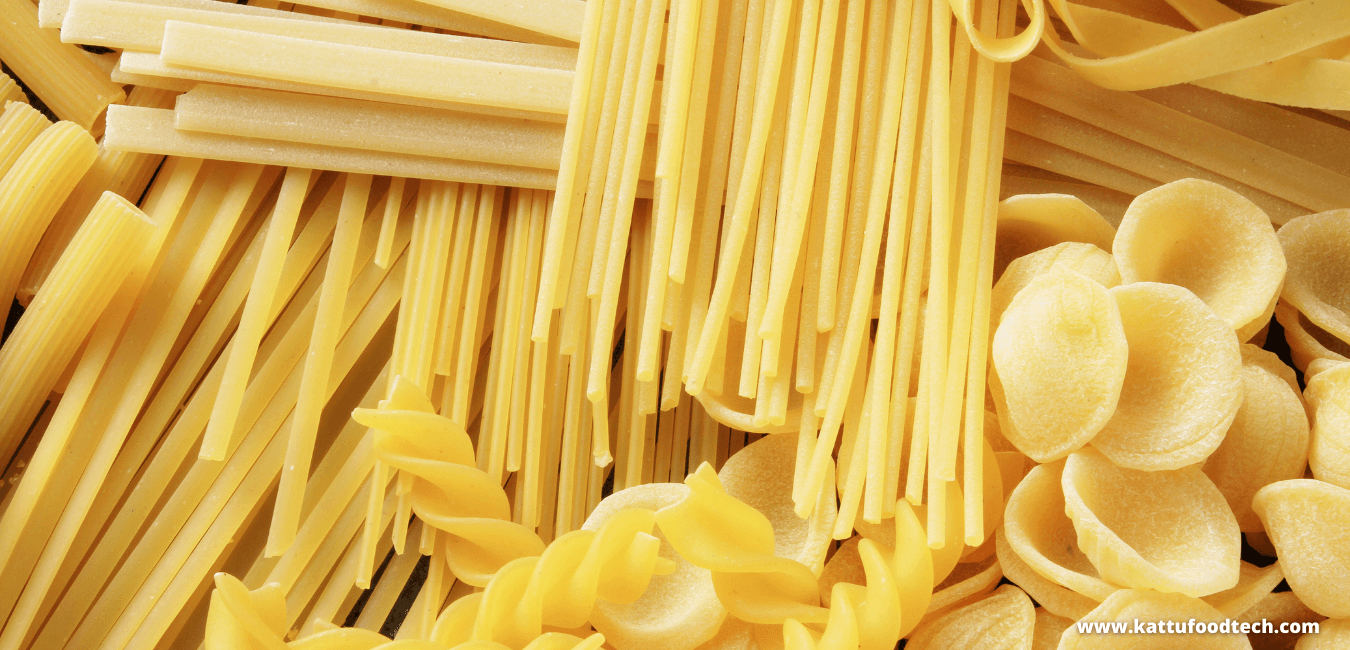
Nutrition experts at The Ohio State University Wexner Medical Center have confirmed what pasta lovers who reach for last night's rigatoni already suspected: that a 24-hour fridge rest does something genuinely useful to carbohydrates. Refrigerating cooked pasta for that window triggers a molecular process called starch retrogradation, producing resistant starch that the body processes more like fiber than fuel, resulting in fewer digestible calories and a measurably smaller post-meal blood sugar rise.
The mechanism starts when pasta hits boiling water. Starch molecules absorb liquid, spread apart, and form a soft, easily digestible gel. Transfer that pasta to a shallow container in the fridge, and the process reverses. As Orlando Health describes it: "When cooked starches are cooled for 24 hours or more, they lose some of the moisture they gained in cooking, and the molecules start to recrystallize and organize in tight patterns. That more-organized structure is what creates resistance and makes it harder for our digestive enzymes to break them down." What the body cannot fully digest passes to the large intestine, where it ferments and feeds beneficial gut bacteria, producing what Orlando Health calls compounds with "anti-inflammatory and protective benefits."
The practical workflow is straightforward. Cook pasta to al dente; softer pasta carries a higher glycemic index and blunts the effect before it even begins. Refrigerate it in a shallow container for at least 12 to 24 hours, with Ohio State and Orlando Health both noting that 24 hours or more yields the best result. The longer the pasta stays cold, according to registered dietitian resource NutritionSolutions, "the more resistant starch is formed." Reheat thoroughly before eating, since NutritionSolutions confirms "the amount of resistant starch doesn't change significantly when the food is reheated."
The texture shift that comes with cold storage is real. Retrograded pasta is slightly denser and chewier than fresh, its structure firmed by recrystallization. Eaten cold in a pasta salad it holds shape without going mushy; reheated with sauce it absorbs less liquid and carries the dressing on its surface rather than deep inside the noodle. A peer-reviewed crossover trial of 45 participants found blood glucose area under the curve was significantly lower when pasta was cooled and reheated compared to freshly cooked hot, with the reheated condition returning participants to fasting glucose levels in 90 minutes against 120 minutes for both the cold and hot conditions.
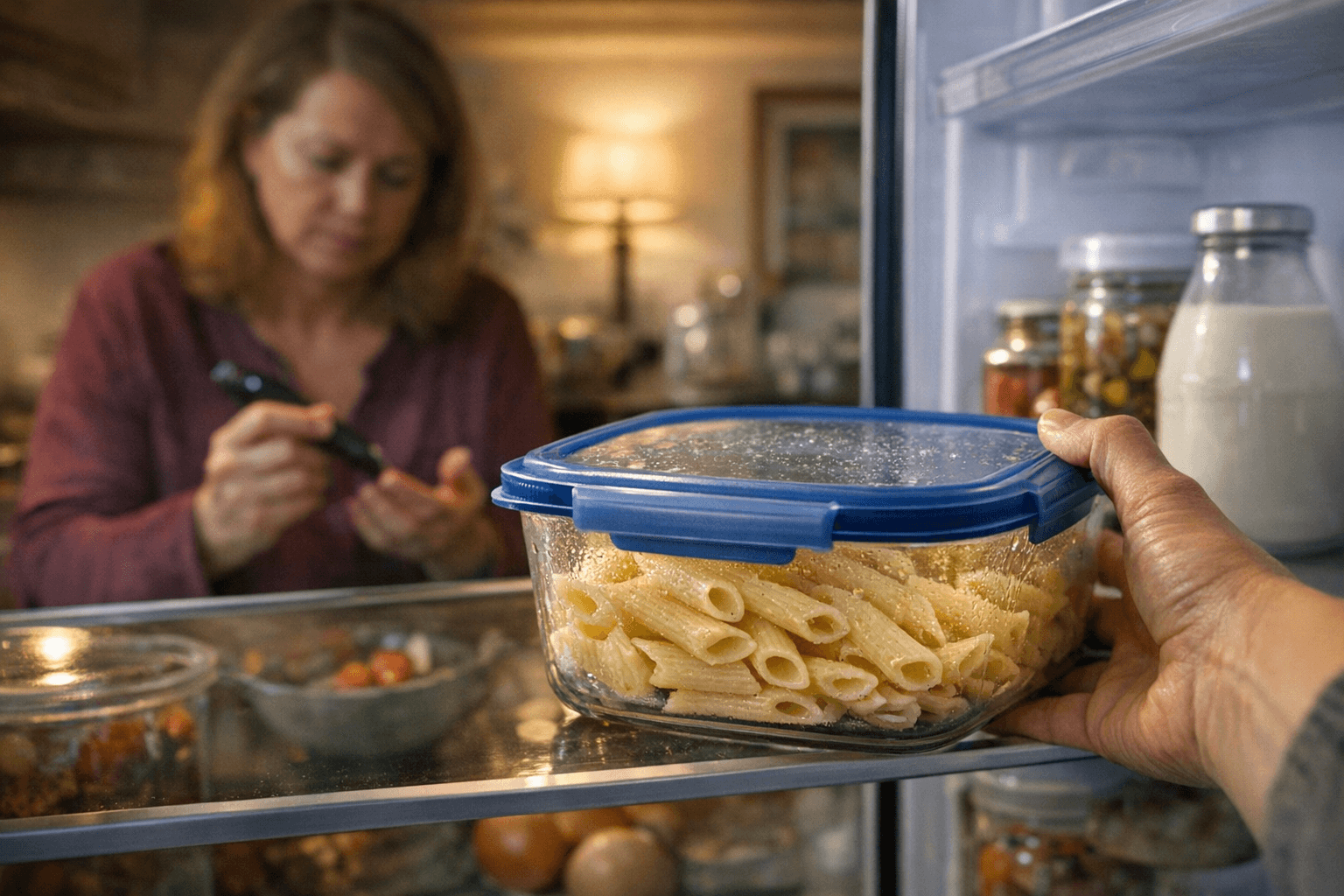
For a direct home comparison, try a three-day experiment. On Day 1, cook a full batch of your preferred pasta al dente, eat one portion immediately with a simple sauce, and note your energy and hunger at one and two hours post-meal. Refrigerate the rest in a shallow, sealed container. On Day 2, use a cold portion for a quick pasta salad dressed with olive oil, cherry tomatoes, and mozzarella. On Day 3, reheat the remaining pasta thoroughly and serve it with the same sauce at the same time of day as Day 1. Track portion size, meal time, and your energy at one and two hours; a glucometer or continuous glucose monitor at 30 and 60 minutes post-meal on Day 1 and Day 3 gives a direct blood sugar comparison.
Ohio State Wexner Medical Center notes the method "works for potatoes, rice, beans and some other carbs as well," pointing out that many people accomplish this already by eating them as leftovers. Fox News lifestyle writer Deirdre Bardolf adds that "rice and potatoes may show an even stronger resistant starch effect." Orlando Health closes it simply: "Sounds like magic, eh? Nope, just science.
This article was produced by Prism’s automated news system from verified source data, official records, and press releases, then run through automated quality and moderation checks before publishing. The system is built and supervised by the people who set the standards it runs under. Read our full AI policy.
Did this article answer your question?