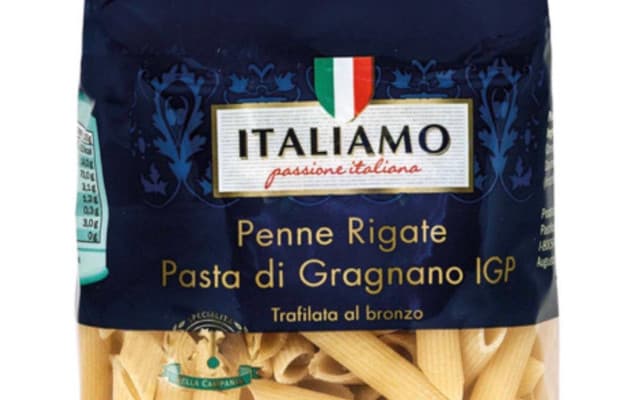
Global Pasta Market to Hit $50.8B by 2031 Driven by Plant-Based Innovation
Global pasta market set to grow to $50.8B by 2031 as plant-based and premium fresh pastas drive demand.
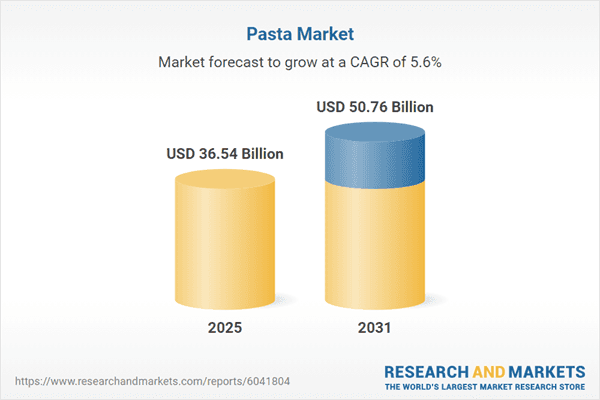
A new industry analysis estimated the global pasta market at USD 36.54 billion in 2025 and projected growth to roughly USD 50.76 billion by 2031, a compound annual growth rate of about 5.6 percent. That expansion is being driven by consumer demand for convenient meals, plant-based and fortified pastas, and a rising appetite for premium fresh and filled pasta offerings.
The report laid out the near-term mechanics behind the numbers: product innovation is moving toward protein- and function-focused pastas and more sustainable packaging solutions, while distribution patterns continue to evolve across dried and fresh segments. Segmentation covered dried versus fresh formats, source crops, and distribution channels, reflecting different growth profiles for supermarket-shelf staples versus chef-driven fresh lines.
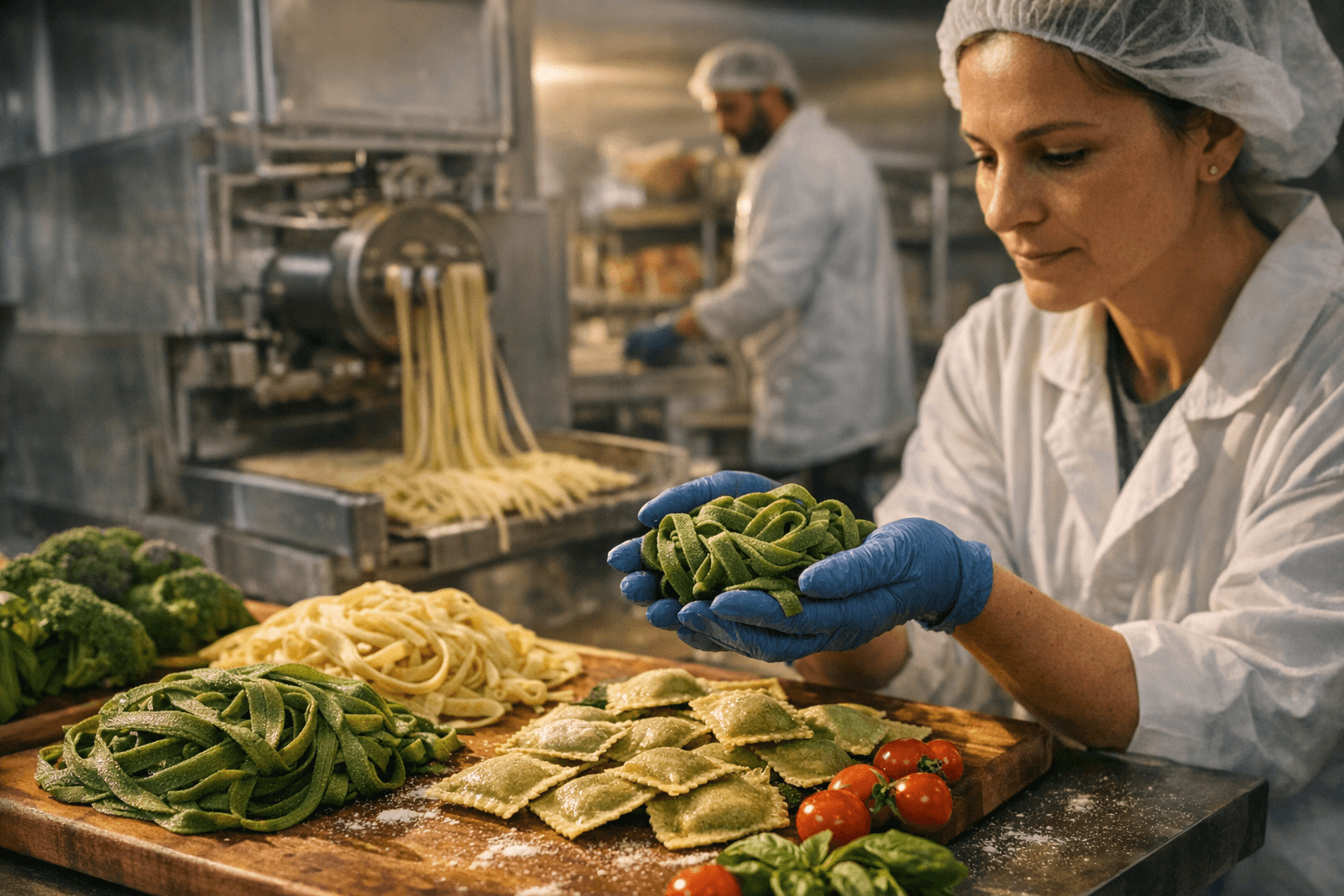
For local producers, retailers, and pasta-focused operators, the implications are immediate. Plant-based formulations and fortified options present a tangible opportunity to reach shoppers looking for higher-protein, nutrient-enhanced meals without turning to meat. Premium fresh and filled pastas are gaining traction among consumers willing to pay more for artisanal textures and flavor pairings, which benefits small-batch makers and regional pasta artisans who can command higher margins.
Challenges remain. Durum wheat price volatility was called out as a key headwind that could squeeze margins across the board and translate into retail-price fluctuations. That volatility accentuates the value of supply diversification and crop-sourcing strategies for manufacturers, and it underscores why some companies are experimenting with alternative source crops and blended flours to stabilize costs and offer new textures.
The analysis also highlighted sustainability as a competitive factor. Sustainable packaging improvements and transparency about ingredients are becoming table stakes for brands that want shelf presence in mainstream retail and loyalty among environmentally minded shoppers. Distribution channels are shifting too, with a broad mix of supermarket, online, and foodservice demand shaping how different product lines perform.
The piece included profiles of notable companies active in the space, showing how major players and emerging brands are positioning around protein-enriched lines, premium fresh offerings, and packaging changes. For community-minded pasta makers and shop owners, that signals both competition and models to emulate, from ingredient innovation to clearer on-pack storytelling.
Expect more plant-based penne, fortified fusilli, and artisan ravioli on shelves and menus in the coming years, alongside some price movement tied to durum wheat markets. Producers should evaluate formulation and packaging choices now, retailers should expand curated plant-based and fresh sections, and home cooks will find a wider range of choices when shopping local markets and specialty stores.
Know something we missed? Have a correction or additional information?
Submit a Tip